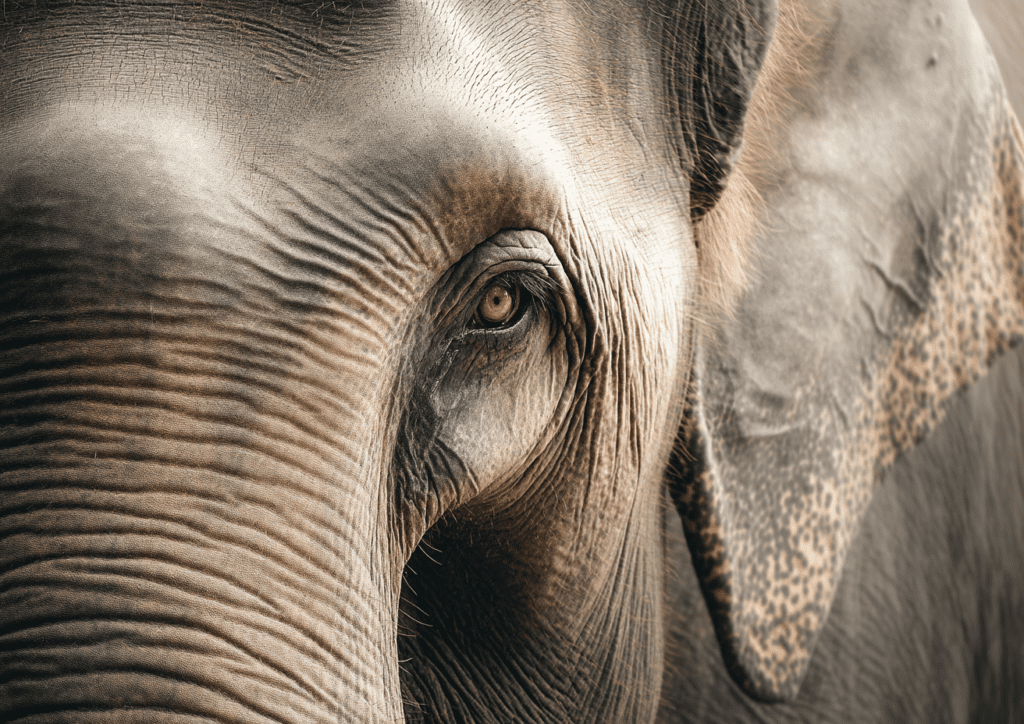
Integrating acupuncture into elephant medicine offers innovative solutions for rehabilitation and pain management. In India, where elephants play a crucial role in cultural and ecological contexts, the immediate need for effective therapeutic interventions is evident. As veterinary professionals, understanding how acupuncture enhances elephant care is essential for improving patient outcomes and operational efficiency.
Understanding Acupuncture in Elephant Medicine
Acupuncture is a traditional Chinese medicine technique that has gained recognition in veterinary practices. It involves the insertion of fine needles at specific points to stimulate healing processes. For elephants, this approach can be particularly beneficial, especially in treating pain and aiding recovery from injuries. However, the application of acupuncture in large animals presents challenges, such as proper safety measures and skin preparation.
Challenges in Application
Large animals like elephants require specific considerations that differ from smaller species. The substantial size necessitates a thorough understanding of anatomy to identify appropriate acupuncture points effectively. Additionally, issues such as skin thickness pose challenges during needle insertion. Veterinary staff must also ensure that the environment is safe and stress-free for the elephant during treatments.
Practical Implications for Veterinary Clinics
Veterinary clinics must implement standard protocols for integrating acupuncture into their practices. This includes training clinical staff on veterinary acupuncture techniques and ensuring that they are familiar with elephant anatomy. Further, collaboration between general practice veterinarians and specialists can enhance patient care through a multidisciplinary approach.
Case Studies and Success Stories
The story of Bani, a baby elephant, exemplifies the potential of veterinary acupuncture in rehabilitation. After suffering an injury, Bani underwent a series of acupuncture sessions. Her recovery was remarkably swift, showcasing that integrating acupuncture into her treatment plan made a significant difference. Such case studies can inspire other veterinary professionals to explore alternative treatments.
Trends in Veterinary Medicine
The trend towards integrative veterinary practices is on the rise, with increased interest in holistic therapies like acupuncture. Clinics are beginning to appreciate that combining conventional and alternative treatments can yield better outcomes for patient care. This trend aligns with the growing public interest in animal welfare and ethical treatment practices.
Conclusion
As veterinary professionals explore alternative treatments for elephant rehabilitation, integrating acupuncture can substantially enhance patient care. However, successful implementation requires addressing the unique challenges specific to large animals, along with proper training and collaboration among clinical teams. The Pulivarthi Group can assist veterinary clinics in accessing highly skilled professionals across various specializations, including those adept in integrative veterinary practices. By fostering an environment where innovative treatments flourish, veterinary clinics can greatly improve the well-being of elephants and other patients alike.