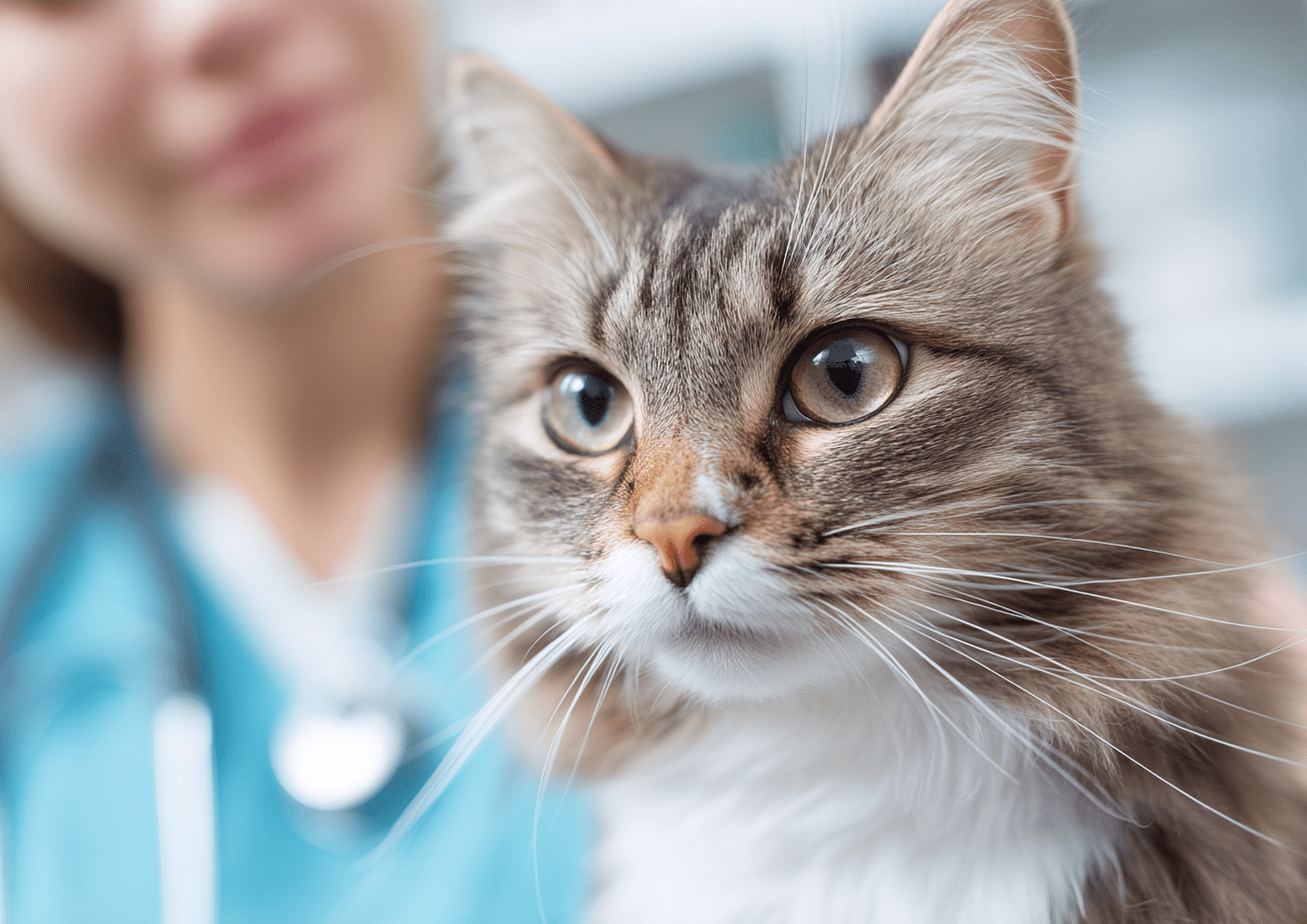
Veterinary dermatology plays a vital role in the health and well-being of pets. Skin conditions are among the most common issues that veterinarians encounter. From allergies to infections, managing these conditions effectively requires an in-depth understanding of dermatological practices. This blog explores strategies for veterinarians and clinical staff to enhance their approaches to diagnostics and treatments for pet skin conditions.
Understanding Common Skin Conditions in Pets
Veterinary clinics frequently deal with conditions like dermatitis, pyoderma, and ear infections. The challenges can differ based on the veterinary role. For example, General Practice Veterinarians often manage mild cases, while Emergency Veterinarians treat severe infections. Recognizing the clinical signs early can drastically improve outcomes.
Implementing a thorough diagnostic approach is essential. This includes:
- Complete physical examinations
- Skin scrapings and cytology
- Allergy testing when applicable
Collaborating with Nabors in Specialty Areas
In North America, veterinarians specializing in dermatology can provide valuable insights. For instance, a Veterinary Internal Medicine Specialist can offer advanced diagnostics for complex cases. Close collaboration enhances the ability to manage chronic cases effectively, thus improving the quality of care.
Moreover, mixed animal and food animal veterinarians face unique challenges. Outdoor animals often encounter different skin conditions due to environmental exposures. For example, ectoparasites are more common in livestock. Addressing these differences through tailored treatments is crucial to effective practice.
Operational Efficiency in Dermatological Diagnosis and Treatment
Efficiency in diagnosis and treatment is paramount for veterinary clinics. Streamlining the workflow can drastically reduce diagnosis time. Incorporating digital tools can facilitate faster record-keeping and enable easy access to dermatological resources. Implementing a standardized protocol allows veterinary staff to remain consistent and thorough in their approach.
Team engagement is crucial. When staff members are fully informed about current guidelines and emerging trends in veterinary dermatology, they can assist clinical veterinarians more effectively. Regular training sessions on dermatological conditions and treatments keep the entire team well-prepared.
Staying Updated with Industry Trends
The field of veterinary dermatology is constantly evolving. Therefore, staying updated with industry trends is essential for veterinary professionals. Attending conferences, subscribing to dermatology journals, and participating in online forums can provide essential knowledge. This education enables veterinarians to adapt their practices based on recent findings and innovations in the field.
Also, utilizing telemedicine is becoming increasingly popular in the veterinary sector. It allows for ongoing consultations about pet skin conditions, giving clients immediate access to veterinary advice. This approach can enhance pet owner satisfaction while alleviating the workload in clinics.
Conclusion
In summary, managing skin conditions effectively in pets requires a comprehensive approach that combines clinical skills and operational efficiency. Veterinary dermatology is a dynamic field that poses both challenges and opportunities. As a veterinary clinic, partnering with agencies like Pulivarthi Group can help you access specialists across various roles. Whether you need an Associate Veterinarian, Emergency Veterinarian, or a Board-Certified Veterinary Internal Medicine Specialist, Pulivarthi Group provides resources to enhance your practice. Together, we can elevate patient care and achieve better outcomes in veterinary dermatology.