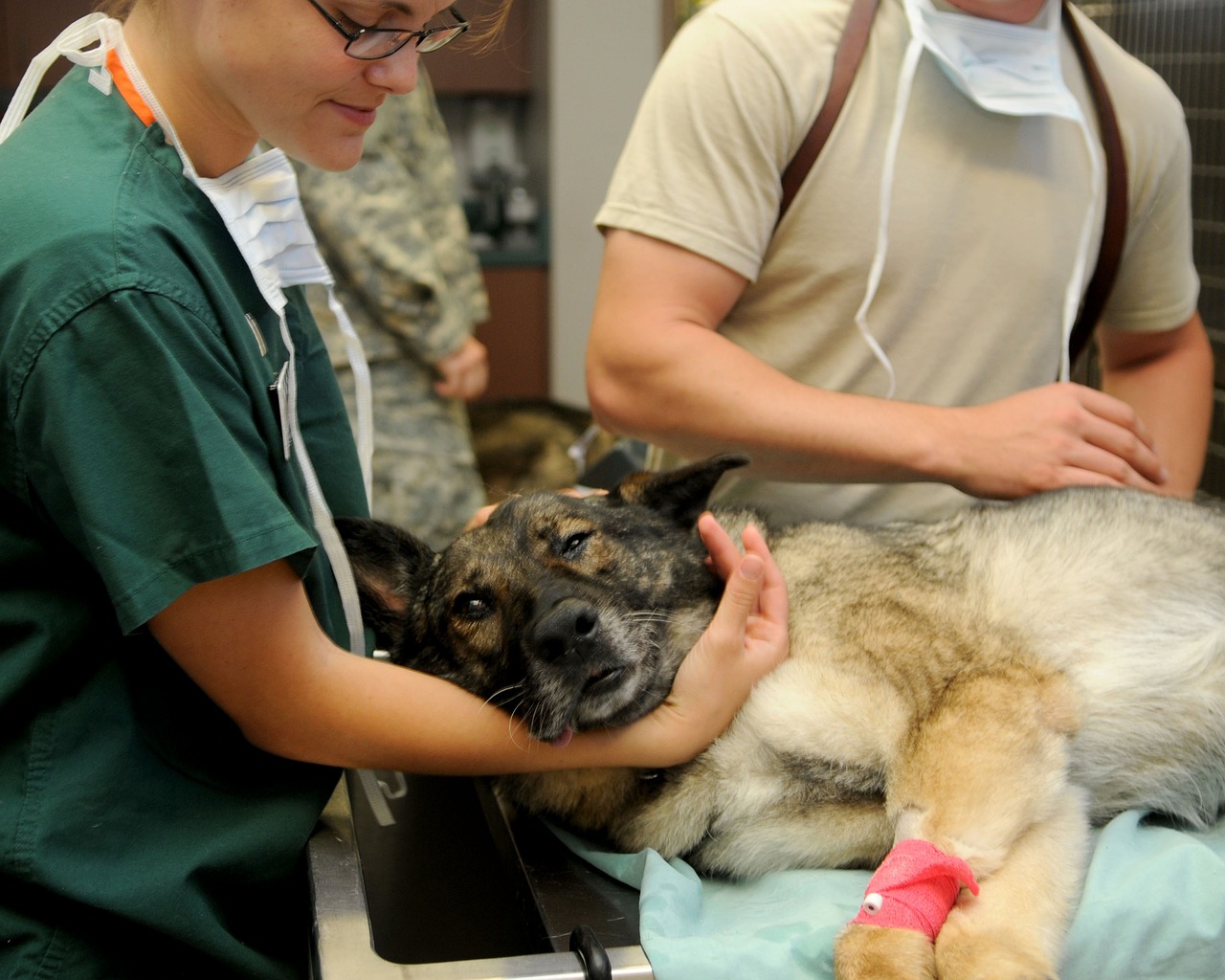
In the rapidly evolving field of veterinary healthcare, innovative technologies are transforming veterinary clinics across the United States. These advancements enhance not only the delivery of care but also streamline operational efficiency in practices. This blog explores the latest healthcare and MedTech innovations that support veterinarians in providing high-quality patient care.
Embracing Telemedicine in Veterinary Practices
Telemedicine has gained traction, particularly as more veterinary clinics face increasing demands. This technology allows veterinarians, including associate veterinarians and urgent care veterinarians, to consult with clients remotely. This adaptability improves access to care, especially for patients in rural areas or for those that may struggle to transport their pets. Moreover, telemedicine can facilitate follow-up consultations for critical care veterinarians, ensuring better patient management.
In addition, telemedicine reduces clinic traffic, which can enhance the safety for both pets and staff, particularly in emergency situations. By incorporating mobile apps for virtual consultations, practices can improve client engagement and retention. Therefore, investing in telemedicine tools can set a practice apart in a competitive market.
Artificial Intelligence and Machine Learning
Artificial Intelligence (AI) and machine learning are becoming vital components of veterinary diagnostics. These technologies help general practice veterinarians and specialists, such as veterinary internal medicine specialists, interpret diagnostic images more rapidly and accurately. For example, AI algorithms can assist in analyzing X-rays, identifying potential health issues sooner than traditional methods.
Moreover, machine learning can analyze patient data, leading to improved personalized care. This can streamline decision-making for food animal veterinarians managing herds or shelter veterinarians assessing animal conditions. As veterinary clinics harness these technologies, they can enhance the accuracy of diagnoses and tailor treatment plans effectively.
Wearable Health Technology for Pets
Wearable technology for pets is on the rise. Devices that monitor vital signs and activity levels provide owners with real-time health updates about their animals. For urgent care veterinarians and those in critical care, having continuous data on a pet’s health can lead to quicker identification of issues, enhancing the timeliness of interventions.
Additionally, data gathered from these wearables can improve the overall health management strategy for food animal veterinarians by monitoring herd health proactively. Consequently, introducing such technologies into your clinic can foster a holistic approach to veterinary medicine, elevating patient care standards.
Integrating Practice Management Software
Effective practice management software is essential for operational efficiency in veterinary clinics. Solutions that integrate scheduling, billing, and client communication tools reduce administrative burdens for managers and staff. For example, shelters and community medicine veterinarians benefit from efficient appointment management, ultimately improving patient throughput.
Furthermore, data from these systems can provide valuable insights into clinic performance. By tracking metrics such as appointment cancellations and service times, practice owners can make informed operational adjustments. Thus, the right software not only enhances client satisfaction but also supports better workflow among veterinary teams.
The Importance of Continuous Training and Development
As veterinary technology advances, ongoing training becomes crucial for all staff, from associate veterinarians to veterinary nurses. Understanding new technologies ensures that team members feel confident in their use. For instance, adopting new diagnostic tools can drastically change the workflow within a clinic. Therefore, investing in training seminars and workshops fosters a culture of learning.
Moreover, upskilling empowers clinical staff to enhance patient care and operational outcomes significantly. Training can also prepare teams for any transitions related to new healthcare technologies, ensuring that staff remain competent and comfortable amid ongoing changes.
Conclusion
The integration of innovative technologies in veterinary healthcare is transforming the way practices operate, leading to improved patient outcomes and enhanced efficiency. By embracing telemedicine, AI, wearable technology, and efficient management systems, veterinary clinics can navigate the challenges of quality care delivery. At Pulivarthi Group, we understand the complexities of staffing these evolving practices. We connect clinics with exceptional talent across various roles, from associate veterinarians to board-certified specialists. Partner with us to ensure your practice thrives amid these exciting changes in veterinary healthcare.