In recent years, the demands for accurate respiratory imaging in veterinary medicine have surged. As veterinarians strive to provide the best patient care, understanding advanced respiratory imaging techniques becomes paramount. These methods are essential in diagnosing thoracic diseases, which can often be elusive with traditional radiography. This blog explores innovative imaging modalities, addressing their applications and challenges relevant to the veterinary clinic environment.
Understanding the Limitations of Traditional Radiography
Radiography remains a cornerstone in the assessment of thoracic diseases in dogs and cats. However, it has limitations when it comes to identifying dynamic and subtle abnormalities. This limitation is particularly critical for roles such as Emergency Veterinarians and Critical Care Veterinarians, who often deal with acute respiratory conditions. The inability to capture fine details can lead to misdiagnosis or delayed treatment, which directly impacts patient outcomes.
For instance, without detailed imaging, a veterinarian may overlook early signs of conditions like pulmonary edema, which requires immediate intervention. As a result, it is crucial for veterinary practices and clinical teams to develop a skill set in modern imaging techniques to enhance diagnostic accuracy.
Advanced Imaging Modalities
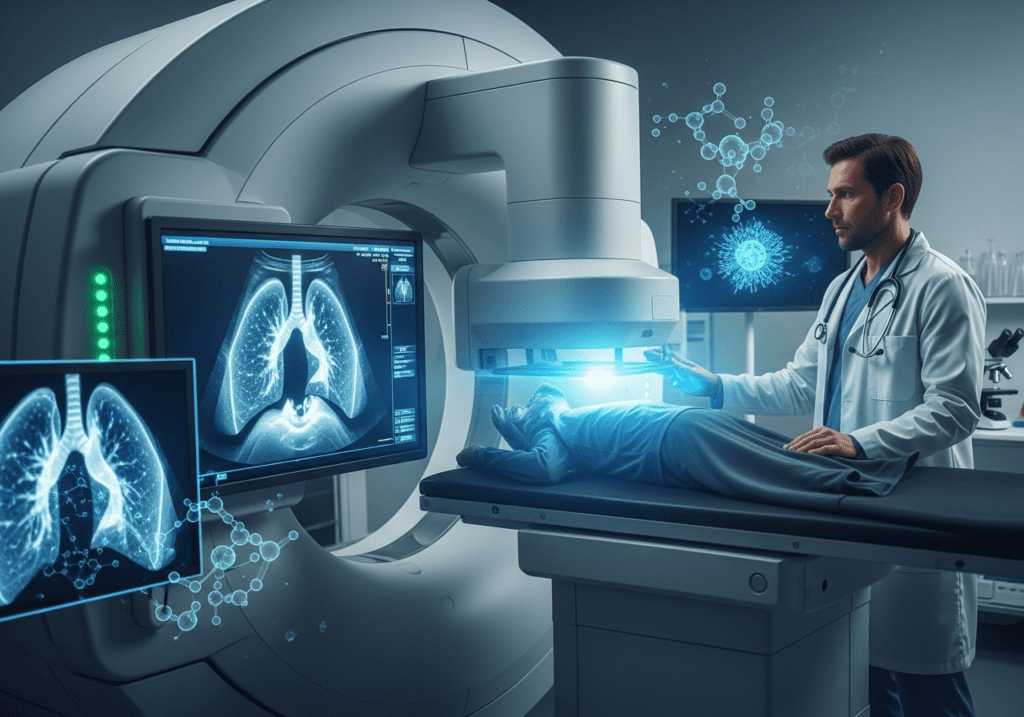
Now more than ever, veterinarians have access to advanced imaging modalities that can enhance respiratory assessments. Techniques like computed tomography (CT) and magnetic resonance imaging (MRI) offer superior resolution compared to standard X-rays, allowing for better visualization of structures within the thorax.
- Computed Tomography (CT): Useful for evaluating complex anatomy and conditions, CT scans provide three-dimensional images that help identify issues in structures like the lungs and mediastinum.
- Magnetic Resonance Imaging (MRI): Particularly effective for soft tissue assessment, MRI is valuable in cases of neoplasia or inflammatory diseases.
- Ultrasound: While best for assessing the pleural space, ultrasound is beneficial for quick evaluations and guiding further diagnostics.
For those in specialized roles such as a Board-Certified Veterinary Internal Medicine Specialist (DACVIM), mastery of these imaging techniques is essential. They provide a diagnostic edge that can alter treatment protocols dramatically.
Implications for Veterinary Practice
Implementing advanced imaging techniques necessitates a strategic approach in veterinary clinics. Practice owners and managers must consider investment costs and training requirements for clinical staff. This is especially true in multi-faceted environments like mixed animal or food animal practices, where diverse imaging needs exist.
Moreover, integrating these technologies can optimize operational efficiency. By streamlining diagnostic workflows, clinics can improve patient turnaround time. For example, urgent care veterinarians can utilize these images to make rapid decisions that save lives in critical scenarios.
To facilitate effective use of advanced imaging, ongoing education for veterinarians and clinical staff is essential. Workshops, online courses, and partnerships with veterinary imaging specialists can help improve competencies in respiratory imaging techniques.
Why Staying Current is Key
The veterinary industry is evolving swiftly, with new technologies emerging regularly. Consequently, being knowledgeable about respiratory imaging is crucial not only for accurate diagnoses but also for staying competitive in the field. Clinics that adapt to these changes are better positioned to attract clients. They demonstrate a commitment to providing advanced care, which is growing increasingly important among pet owners.
To foster this growth, attracting the right talent is paramount. Veterinarians with expertise in advanced imaging modalities are essential for practices aiming to lead in diagnostics. This is where partnership with a staffing agency like Pulivarthi Group becomes invaluable.
Conclusion
In conclusion, adopting innovative respiratory imaging techniques is vital for enhancing patient care in veterinary clinics. By understanding the limitations of traditional radiography and embracing advanced modalities, veterinary professionals can significantly improve diagnostic accuracy. Moreover, maintaining a competitive edge entails continual learning and investment in specialized talent. Pulivarthi Group can assist veterinary clinics in accessing hard-to-find talent across various roles, from Associate Veterinarians to Board-Certified Veterinary Internal Medicine Specialists (DACVIM). By partnering with us, practices can ensure they are equipped with the expertise necessary to navigate the complexities of veterinary respiratory cases effectively.