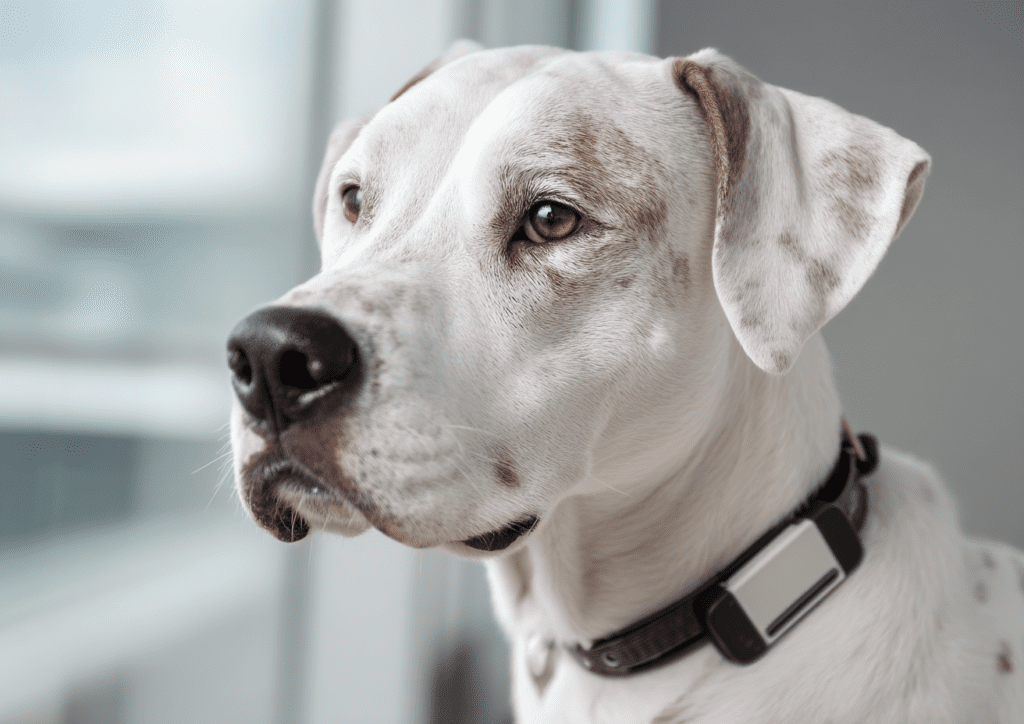
Diagnosing epilepsy in dogs can be a complex challenge for veterinarians. Traditional methods often require invasive procedures or are limited in their accuracy. However, emerging technologies are changing this landscape. One groundbreaking innovation is the brainwave device designed by Fiona James, which allows for the analysis of dog brainwaves while they are awake. This technology promises to revolutionize how veterinarians, including general practice and urgent care veterinarians, diagnose canine epilepsy.
Understanding Canine Epilepsy
Canine epilepsy affects around 0.5 to 5% of dogs. This condition is often characterized by recurrent seizures. Consequently, understanding seizure patterns is crucial for effective treatment. Veterinarians, such as board-certified internal medicine specialists, focus on diagnosing the underlying causes. Early and accurate diagnosis can significantly improve the quality of life for affected animals.
Veterinarians face several challenges in diagnosing epilepsy, particularly distinguishing between seizures and other neurological disorders. The traditional methods require thorough observation and, frequently, lab tests that may not yield immediate results. With the introduction of brainwave technology, the process can become more straightforward and reliable.
Breakthroughs in Brainwave Technology
The new brainwave device captures electrical activity in a dog’s brain. This data can reveal pivotal insights during a seizure episode, identifying patterns that are otherwise difficult to discern when using standard diagnostic tools. By analyzing brain activity in awake dogs, veterinarians can obtain a clearer picture of the condition.
This innovation is particularly beneficial for critical care veterinarians and those working in urgent care settings. They often deal with acute cases where quick and accurate diagnosis is essential. Having access to advanced diagnostic technologies, such as dog brainwave analysis, can enhance patient care and operational efficiencies in clinics.
Real-World Implications for Veterinary Clinics
Implementing brainwave analysis can lead to several advantages in veterinary practice. For one, it reduces the need for invasive procedures that can be stressful for both pets and their owners. Additionally, accurate readings can lead to swift treatment decisions, which is crucial in emergency scenarios.
Another aspect to consider is the financial implications of adopting new technologies. While the initial investment in a brainwave device may be significant, the long-term benefits, such as improved diagnostic accuracy and potentially reduced treatment costs, can outweigh the upfront expenditure. This is especially relevant for practice owners and managers looking to improve their clinic’s profitability.
- Improved diagnostic accuracy for canine epilepsy.
- Reduced need for invasive testing.
- Faster treatment decision-making.
- Enhanced owner satisfaction and trust.
Conclusion
The exploration of advanced diagnostic methods, like brainwave analysis, offers a promising future for veterinary medicine. As clinics adapt to these advancements, roles such as associate veterinarians and emergency veterinarians will find themselves equipped with better tools for patient care. This shift not only helps improve outcomes for dogs with epilepsy but also increases operational efficiency across veterinary practices.
In this evolving landscape, it’s essential for clinics to have access to skilled professionals who can fully leverage these technologies. Pulivarthi Group stands ready to assist veterinary practices in sourcing the necessary talent, including specialized roles such as veterinary internal medicine specialists and food animal veterinarians. Our mission is to support clinics in delivering the highest standard of veterinary care.