In the dynamic world of veterinary medicine, the imperative for innovative approaches is evident. As veterinary clinics face diverse challenges, understanding these trends helps improve animal healthcare. This blog will explore how emerging practices can enhance patient care and operational efficiency.
Understanding the Current Landscape of Veterinary Medicine
The veterinary industry is witnessing rapid advancements, significantly impacting clinical practice. New technologies, treatment protocols, and client expectations drive change. In addition, the ongoing need for efficient operations and the management of staff workloads has become increasingly important. Veterinary clinics must adapt to these realities to stay competitive.
For example, progressive clinics are now integrating telehealth solutions. These innovations not only enhance client communication but also expand access to care. By offering virtual consultations, clinics can ensure continuity of care, especially for working pet owners or those in remote areas. This approach proves beneficial for all types of veterinarians, from general practice veterinarians to urgent care veterinarians.
Innovative Practices in Patient Care
Veterinary medicine continues to evolve with the integration of advanced diagnostics and treatment options. These innovations significantly enhance patient care. Technologies such as telemedicine, electronic medical records, and mobile applications have transformed how clinics operate.
- Telemedicine: Streamlining consultations for non-emergency cases helps maintain workflow.
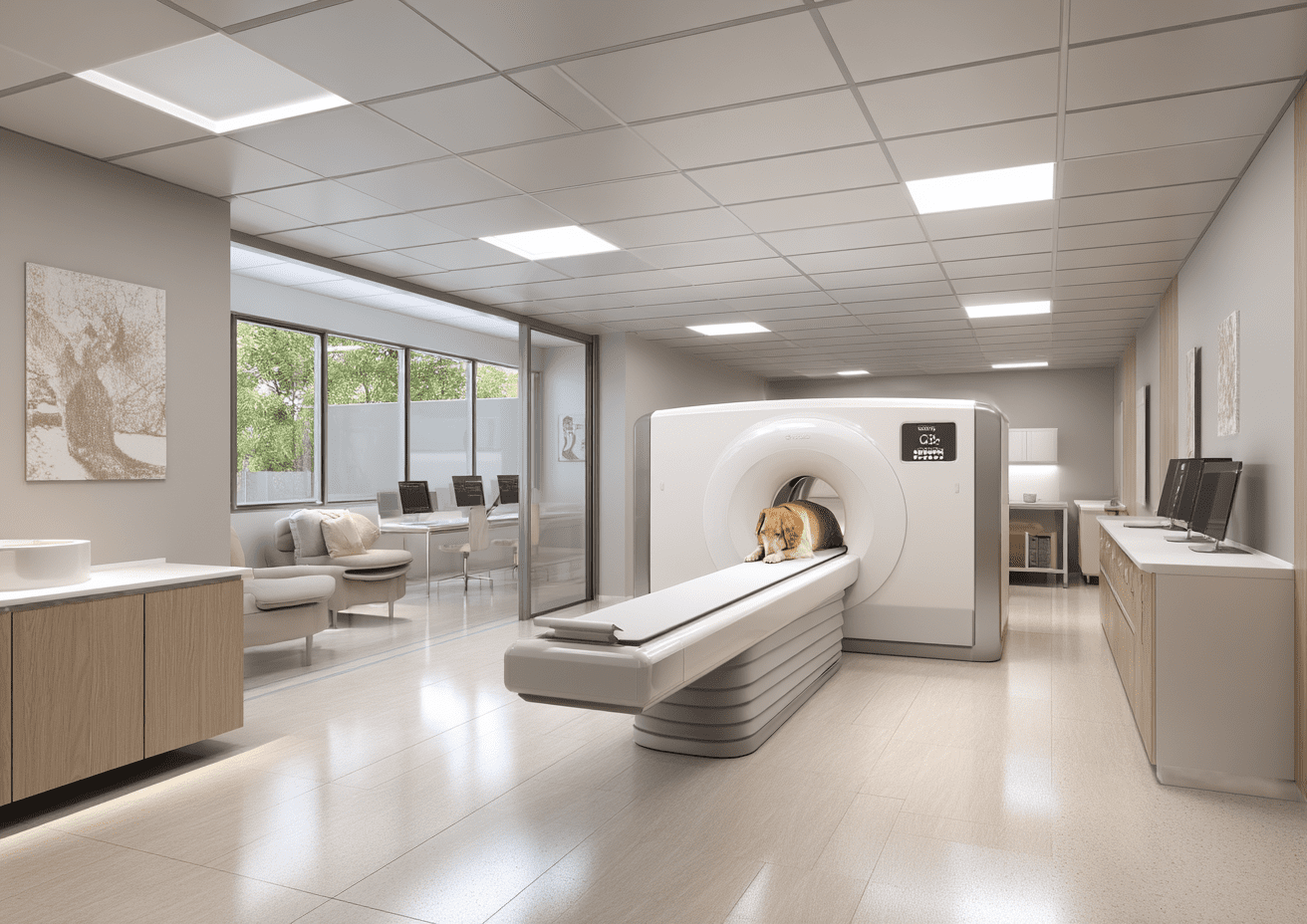
- Diagnostic Imaging: Advanced imaging improves diagnostic accuracy across numerous conditions.
- Mobile Apps: Client engagement increases through reminders and health tracking, strengthening relationships.
This shift towards technology-driven practices allows veterinarians to focus more on direct patient care. Urgent care and emergency veterinarians particularly benefit from these innovations, as they often deal with high-pressure situations requiring swift decision-making.
Clinical Operations and Workforce Efficiency
Operational efficiency is crucial for veterinary clinics. Practices that streamline processes typically experience improved outcomes. Implementing standard operating procedures (SOPs) can reduce variability in care and enhance productivity. Training programs focusing on team dynamics improve the synergy between veterinarians and clinical staff, facilitating better patient care.
Moreover, addressing workforce challenges is essential. Many veterinary clinics are grappling with staff shortages. Thus, understanding the recruitment landscape for various veterinary roles becomes indispensable. For instance, specialized positions such as board-certified veterinary internal medicine specialists (DACVIM) are challenging to fill, often requiring targeted strategies. Practice managers should develop partnerships with staffing agencies to access talent efficiently.
Looking to the Future: Trends Shaping Veterinary Medicine
As we look toward the future, several trends will continue to influence veterinary medicine. One significant trend is the increasing emphasis on mental health and well-being within the veterinary workforce. Recognizing the pressures associated with veterinary roles helps create supportive environments. Promoting well-being through mentorship and support systems enhances job satisfaction and retention.
Another trend is the growing focus on preventive care. This shift aligns well with community medicine veterinarians’ goals, helping improve overall animal health while fostering long-term client relationships. Education on preventive measures positions practice owners as leaders in animal health.
Conclusion
The veterinary industry is evolving rapidly, compelling clinics to embrace innovative approaches in veterinary medicine. By understanding current challenges and adapting to new trends, practices can enhance patient care and operational efficiency. As a partner in this journey, Pulivarthi Group supports veterinary clinics in accessing specialized talent across various roles. From associate veterinarians to board-certified specialists, we help bridge staffing gaps crucial for delivering top-notch animal healthcare. Together, we can forge a brighter future for veterinary medicine.