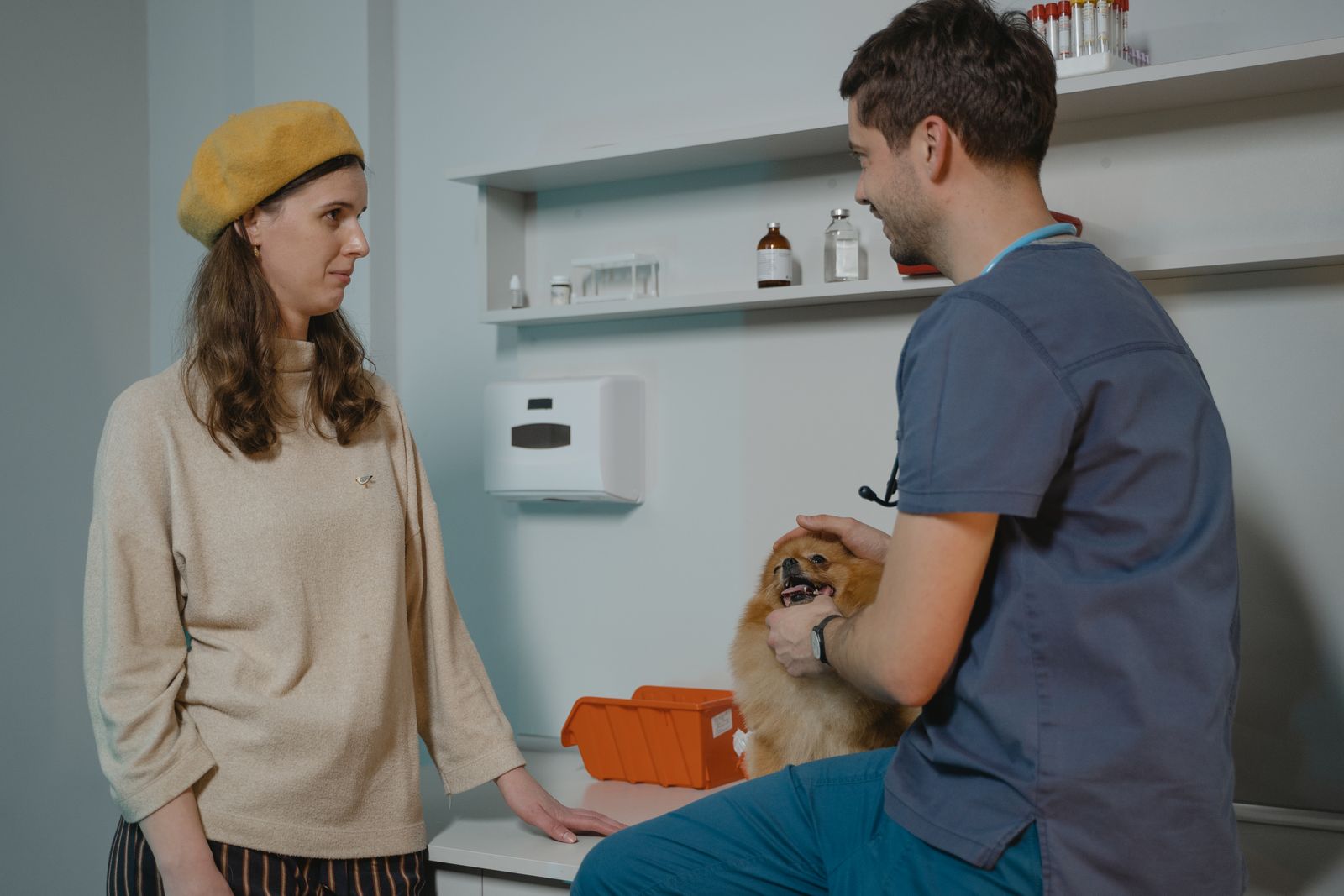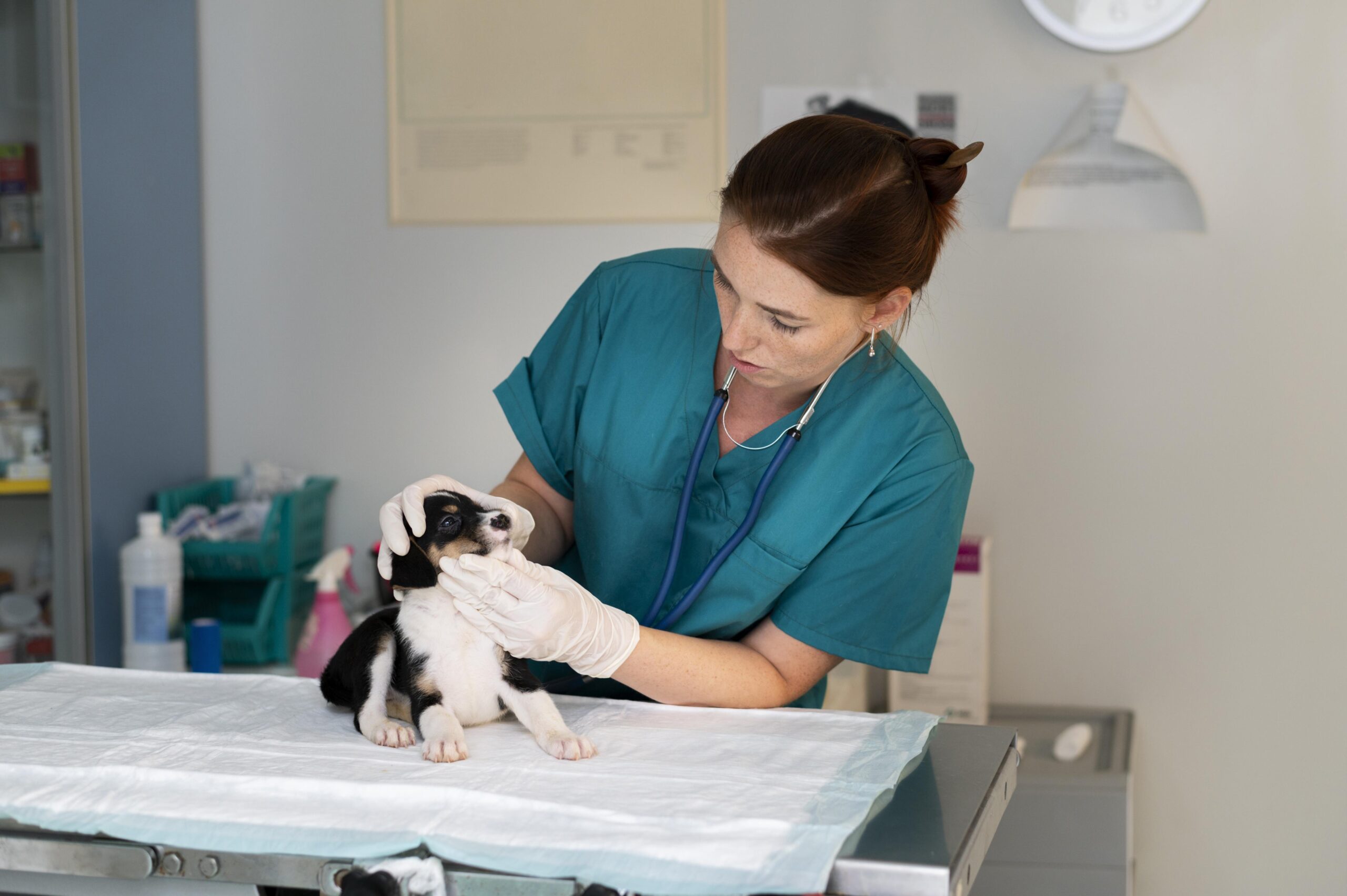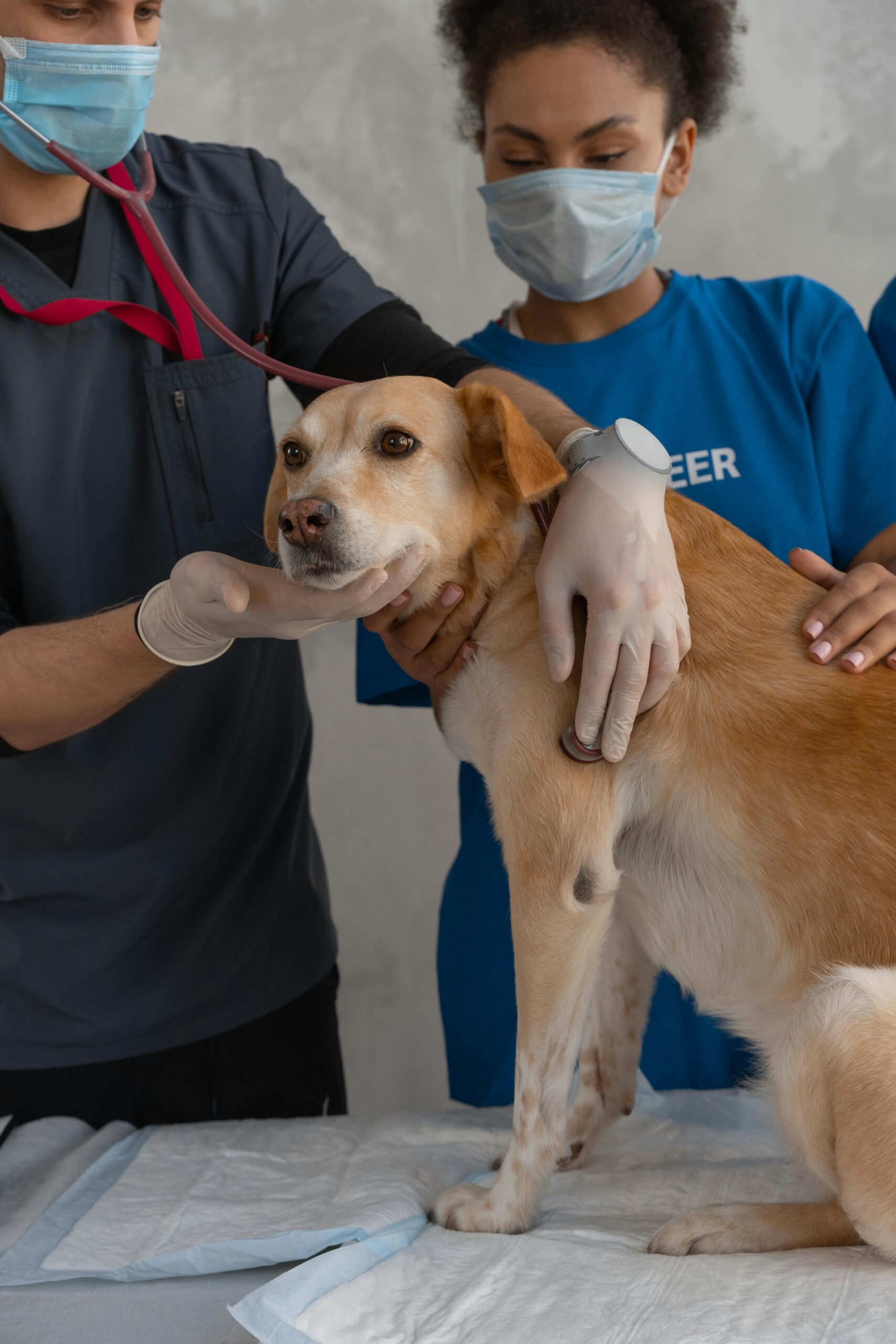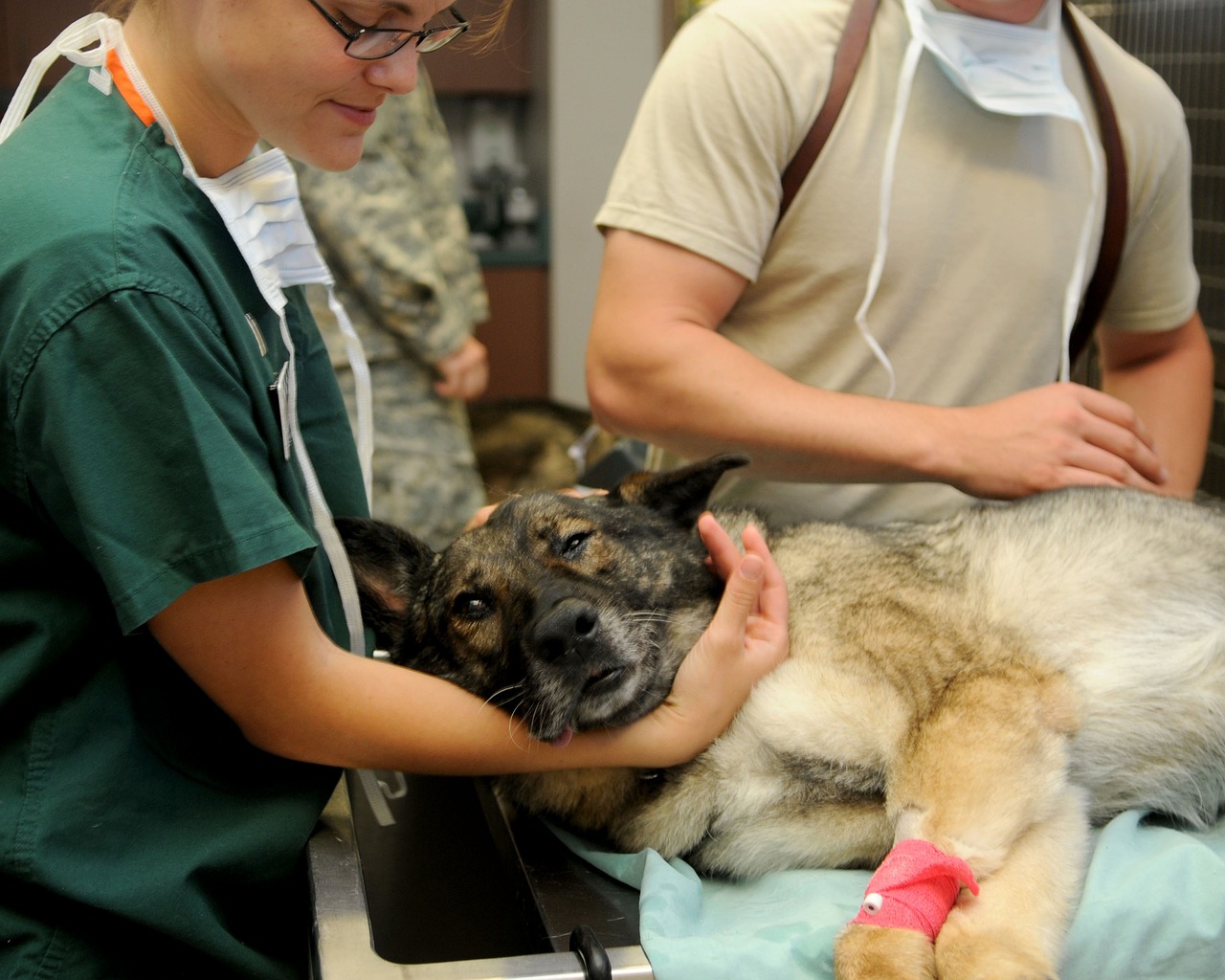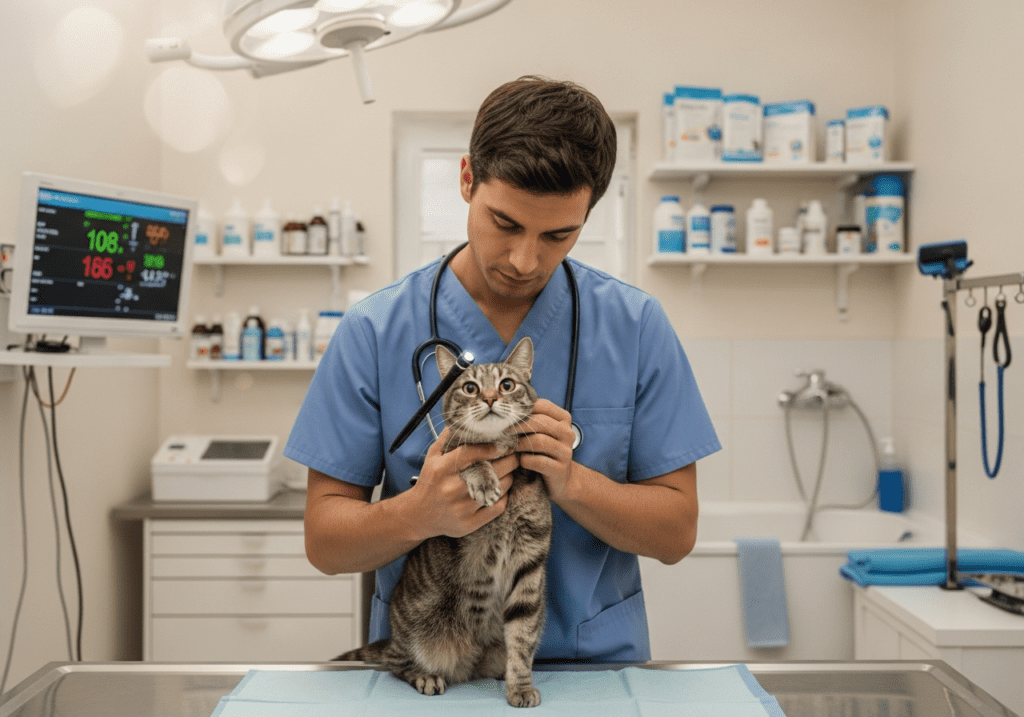
In the rapidly evolving field of veterinary healthcare, staying informed about veterinary innovations is critical for clinics and professionals. With growing demands for high-quality pet care, veterinarians, practice owners, and clinical staff must adapt to new technologies and methodologies.
Emerging Technologies and Their Impact
Advancements in healthcare technology play a pivotal role in enhancing patient care. For example, telemedicine offers veterinarians the ability to consult with pet owners remotely. This not only increases access but also streamlines workflows in busy practices. Veterinary clinics can utilize platforms for virtual consultations, reducing wait times for urgent cases.
Moreover, innovations in diagnostic tools enable veterinarians, including Emergency Veterinarians and Critical Care Veterinarians, to provide rapid assessments. New imaging technologies, such as digital radiography, result in quicker diagnosis and treatment plans. These advancements directly address the challenges of ensuring timely care in emergency situations.
Enhancing Patient Care Through Data
Data management is becoming essential in veterinary clinics. By leveraging electronic health records (EHRs), practices can maintain comprehensive histories for each patient. This is particularly useful for Veterinary Internal Medicine Specialists, who can monitor long-term health trends effectively. Utilizing patient data helps in making informed decisions, thus improving overall outcomes.
Additionally, integrating practices such as predictive analytics can help clinics forecast health issues before they arise. For instance, Shelter Veterinarians can benefit significantly from tracking shelter animal health history, assisting in timely interventions and treatments.
Addressing the Workforce Challenge
Veterinary clinics face workforce challenges, compounded by the demand for specialized roles. Finding qualified candidates, including Mixed Animal Veterinarians and Community Medicine Veterinarians, can be difficult. To address this, clinics should consider offering competitive benefits and fostering a positive work environment. Investing in continuous education ensures staff remains updated on current practices and innovations.
This commitment not only attracts talent but also retains existing staff. A strong team is essential for operational efficiency, enabling clinics to better serve their clients and patients.
Staying Ahead of Industry Trends
The veterinary industry is witnessing a shift towards preventive care. This trend requires clinics to educate pet owners on routine check-ups and vaccinations. General Practice Veterinarians play a crucial role here, as they often serve as the first point of contact. They must convey the importance of preventive measures effectively.
Furthermore, understanding consumer behavior is critical. Many pet owners are now more informed than ever. They seek clinics that invest in advanced technologies and transparent communication. Consequently, veterinary practices must not only keep up with innovation but also ensure comprehensive client education to foster trust and loyalty.
Conclusion
The landscape of veterinary healthcare is transforming rapidly due to technological and operational advancements. By embracing innovation, veterinary clinics can significantly improve patient care and operational efficiency. For practices facing workforce challenges, partnering with organizations like Pulivarthi Group can provide access to a broad range of talent, including Associate Veterinarians, General Practice Veterinarians, and various specialists, ensuring that clinics can maintain high standards of care for their patients.