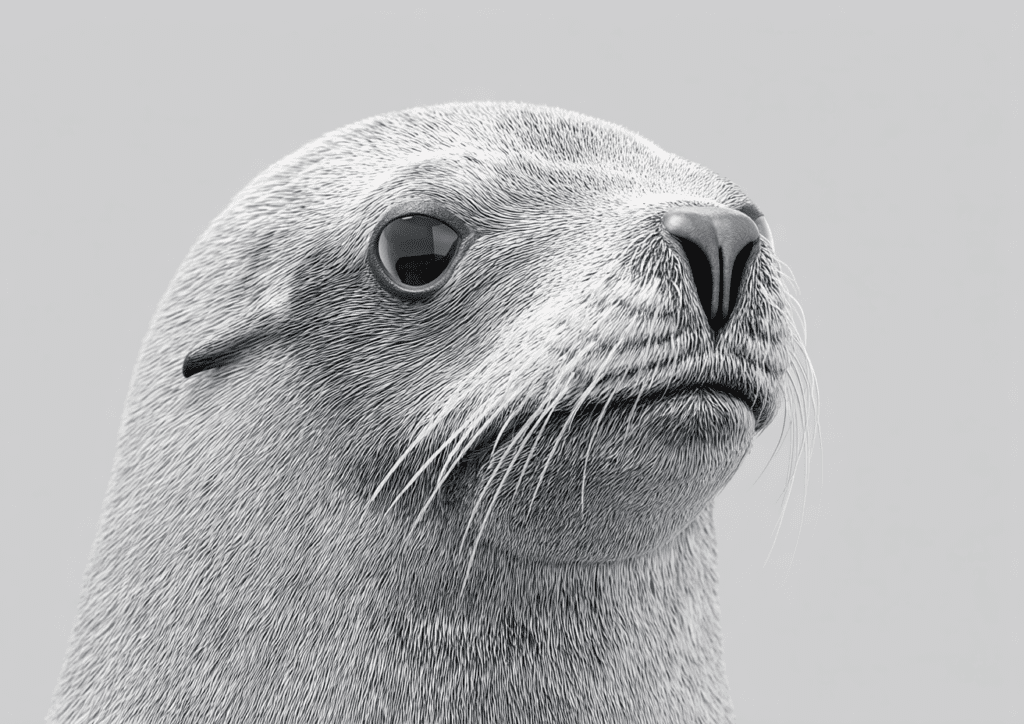
The veterinary industry is consistently evolving, bringing forth innovations that enhance clinical practices. One of the most revolutionary technologies currently making waves is 3D printing. Recently, researchers developed a 3D-printed pelvic replica of a California sea lion. This groundbreaking innovation significantly aids in surgical preparation and education within the veterinary field. For clinics in California, embracing such advancements can improve surgical outcomes and patient care.
Understanding the Role of 3D Printing in Veterinary Medicine
3D printing serves numerous functions in veterinary medicine. Firstly, it allows for the creation of accurate anatomical models. These models can improve the preparation process for complex surgeries, especially in cases involving unique anatomical structures found in species like the California sea lion. For veterinarians, having a tangible representation of the animal’s anatomy facilitates better planning and execution of surgical procedures.
Moreover, using 3D-printed replicas can enhance education for clinical staff. This is crucial for urgent care and emergency veterinarians who often deal with time-sensitive surgeries. Understanding anatomical proportions helps reduce surgery time and enhances success rates for all involved.
Challenges in Veterinary Surgical Preparation
Despite the benefits, veterinary clinics often face challenges in adopting new technologies like 3D printing. Many clinics may lack resources or training to integrate {this technology into their practices. This can be a significant hurdle for associates, urgent care veterinarians, and emergency veterinarians who might not have prior exposure to such innovations.
- High initial implementation costs.
- Need for specialized training for clinical staff.
- Integration with existing veterinary software and practices.
To mitigate these challenges, veterinary practices must invest in staff training and initiate pilot projects focusing on 3D-printed models for specific types of surgeries. For instance, mixed animal veterinarians might explore creating models that represent common species in their practices, aiding in improving overall surgical practices.
The Future of 3D Printing in Veterinary Clinics
As the technology matures, we’ll likely see more veterinary clinics embracing 3D printing for various applications. This includes not only surgical models but also custom prosthetics for animals, thus enhancing patient care and improving the quality of life for patients. Veterinary internal medicine specialists, particularly those who are board-certified, may find this technology particularly beneficial when planning complex internal procedures.
Further, advancements in 3D printing lead to developments in training methods for veterinarians. By simulating real-life scenarios, clinical teams can practice and hone their skills in a risk-free environment. This method is especially advantageous for shelter and community medicine veterinarians who often face high-stakes situations with minimal resources.
Conclusion
In summary, the innovation of 3D-printed pelvic replicas for sea lions exemplifies the transformative potential of this technology in veterinary medicine. While the transition to using 3D printing in surgical practices presents challenges, the benefits greatly outweigh these initial hurdles. Access to advanced technologies, alongside continuous education, can profoundly impact patient care, surgical precision, and overall clinical efficiency.
As veterinary practices in California navigate these exciting changes, partnering with a reliable staffing agency like Pulivarthi Group can provide access to hard-to-find talent across multiple veterinary roles. From associate veterinarians to board-certified veterinary internal medicine specialists, having the right professionals on your team can facilitate the integration of innovative solutions and improve clinical outcomes.