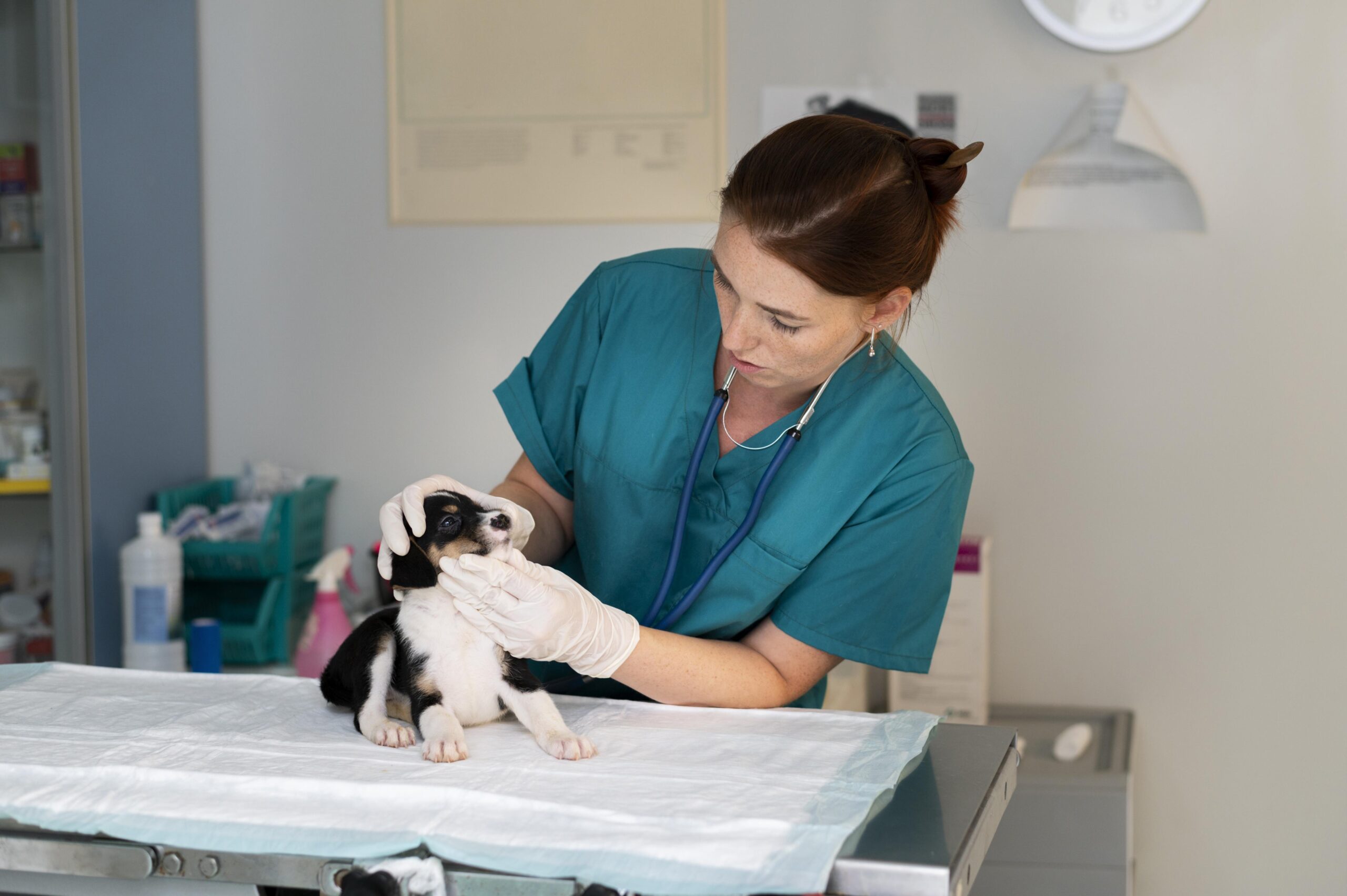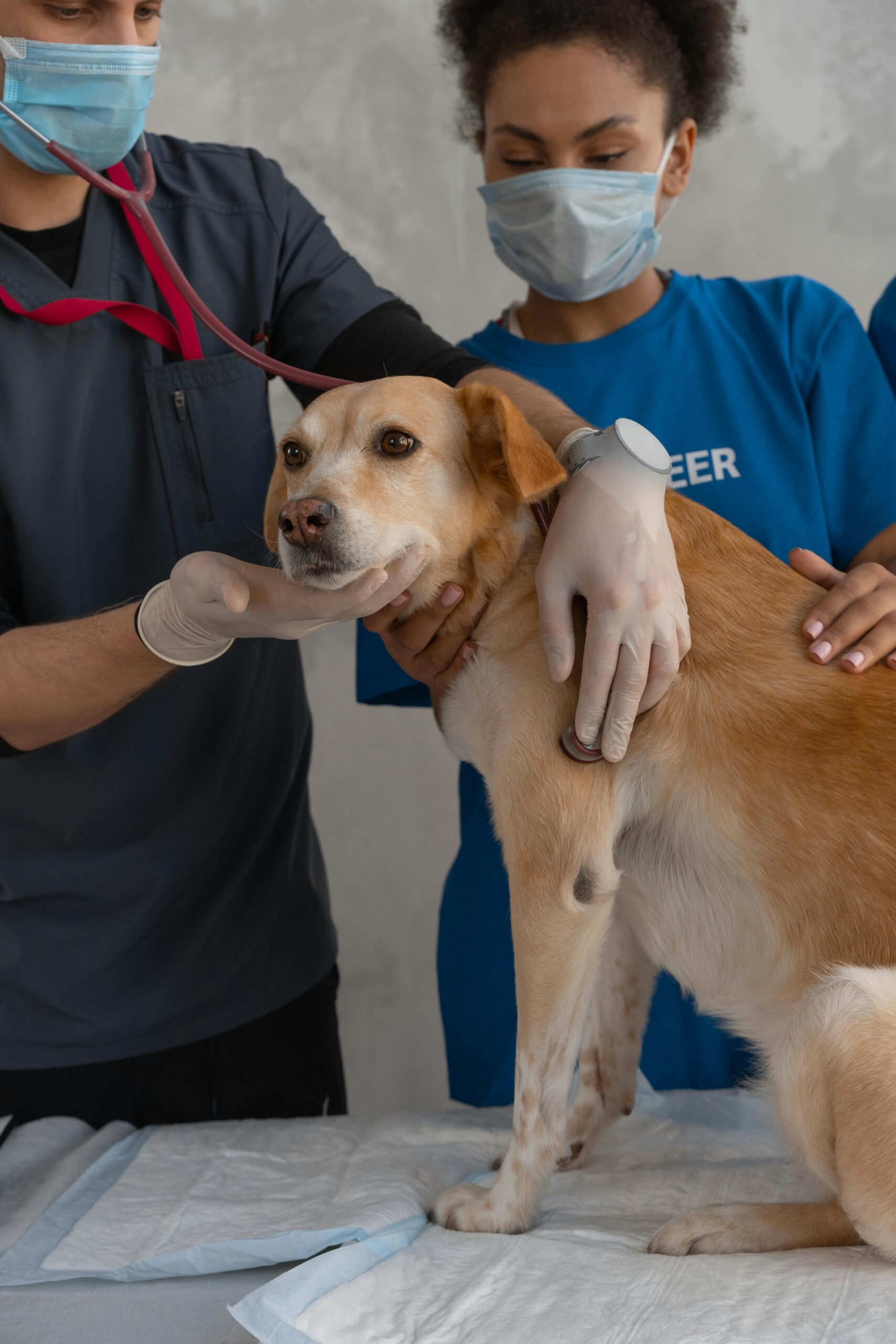
The field of veterinary medicine continues to evolve rapidly, and staying informed about veterinary advancements is crucial for clinic professionals. As we approach 2026, numerous innovations are emerging, focusing on improving animal health and treatment methods. From advanced diagnostic tools to innovative surgical techniques, these advancements greatly impact the daily operations of veterinary clinics worldwide.
Advancements in Diagnostic Technology
Diagnostic technology is one of the most significant areas of advancement in veterinary medicine. For example, digital imaging techniques such as computed tomography (CT) and magnetic resonance imaging (MRI) have become more accessible. These tools allow veterinarians to obtain detailed images of an animal’s anatomy, enhancing their ability to diagnose conditions accurately.
Moreover, the use of point-of-care testing devices has increased. These devices enable associate veterinarians and emergency veterinarians to obtain rapid results during consultations. As a result, clinics can provide more immediate care, which is particularly vital in urgent care settings. Improved diagnostics lead to better treatment outcomes and enhanced client satisfaction.
Telemedicine: A Growing Resource
Telemedicine has transformed many aspects of veterinary care. The ability to consult remotely allows for more flexibility in care options for clients, particularly in community medicine and mixed animal practices. This advancement effectively supports veterinarians in addressing minor health concerns without necessitating in-person visits.
Furthermore, telemedicine reduces the burden on clinic staff, allowing them to focus on critical cases and essential procedures. As clinics adapt to this technology, it raises important questions: How can staff best incorporate telemedicine into their workflow? What training might be necessary to utilize these tools effectively? Planning and training will be essential to maximizing this innovation’s benefits.
Emerging Trends in Patient Care
In 2026, a notable trend is the integration of personalized medicine in veterinary practice. With advancements in genomics, veterinary internal medicine specialists can now tailor treatments based on an individual animal’s genetic makeup. This approach not only enhances treatment effectiveness but also reduces the trial and error associated with traditional methods.
As a result, critical care veterinarians and shelter veterinarians particularly benefit, as they frequently deal with animals requiring specialized care. Understanding each animal’s genetic profile allows for more informed treatment strategies and improves long-term health outcomes. The move towards personalized care signifies an important shift in how veterinary teams approach animal health.
Enhancing Operational Efficiency with Technology
Operational efficiency is crucial for veterinary clinics aiming to provide high-quality care while managing costs. One of the latest advancements in this area is the use of practice management software. These programs streamline patient management, billing, and scheduling, saving time for veterinary staff.
For example, general practice veterinarians and practice managers can benefit from automated reminder systems that notify pet owners about upcoming vaccinations or check-ups. This efficiency not only reduces missed appointments but also encourages regular veterinary visits, crucial for maintaining animal health.
Current Workforce Realities in Veterinary Clinics
The veterinary workforce faces unique challenges in 2026. With increasing demands for care, there is a pressing need for more professionals across various roles, from associate veterinarians to board-certified specialists. The competition for qualified staff is intensifying, creating difficulties for practice owners and managers looking to maintain high care standards.
As clinics adapt to these realities, retaining current staff becomes vital. Providing professional development opportunities and fostering a collaborative work environment can enhance job satisfaction and staff retention. This focus not only aids in maintaining a skilled workforce but also results in better patient care and outcomes.
Conclusion
As veterinary medicine advances, staying updated on new treatments, technologies, and industry trends is essential for clinics. Improving diagnostics, integrating telemedicine, personalizing patient care, enhancing operational efficiency, and addressing workforce realities are all integral to progressing in these advancements. The Pulivarthi Group is dedicated to supporting veterinary clinics in accessing hard-to-find talent, including associate veterinarians, various specialists, and more. By acting as a strategic partner, Pulivarthi Group aids you in meeting the evolving demands of veterinary practice, ultimately benefiting animal health.