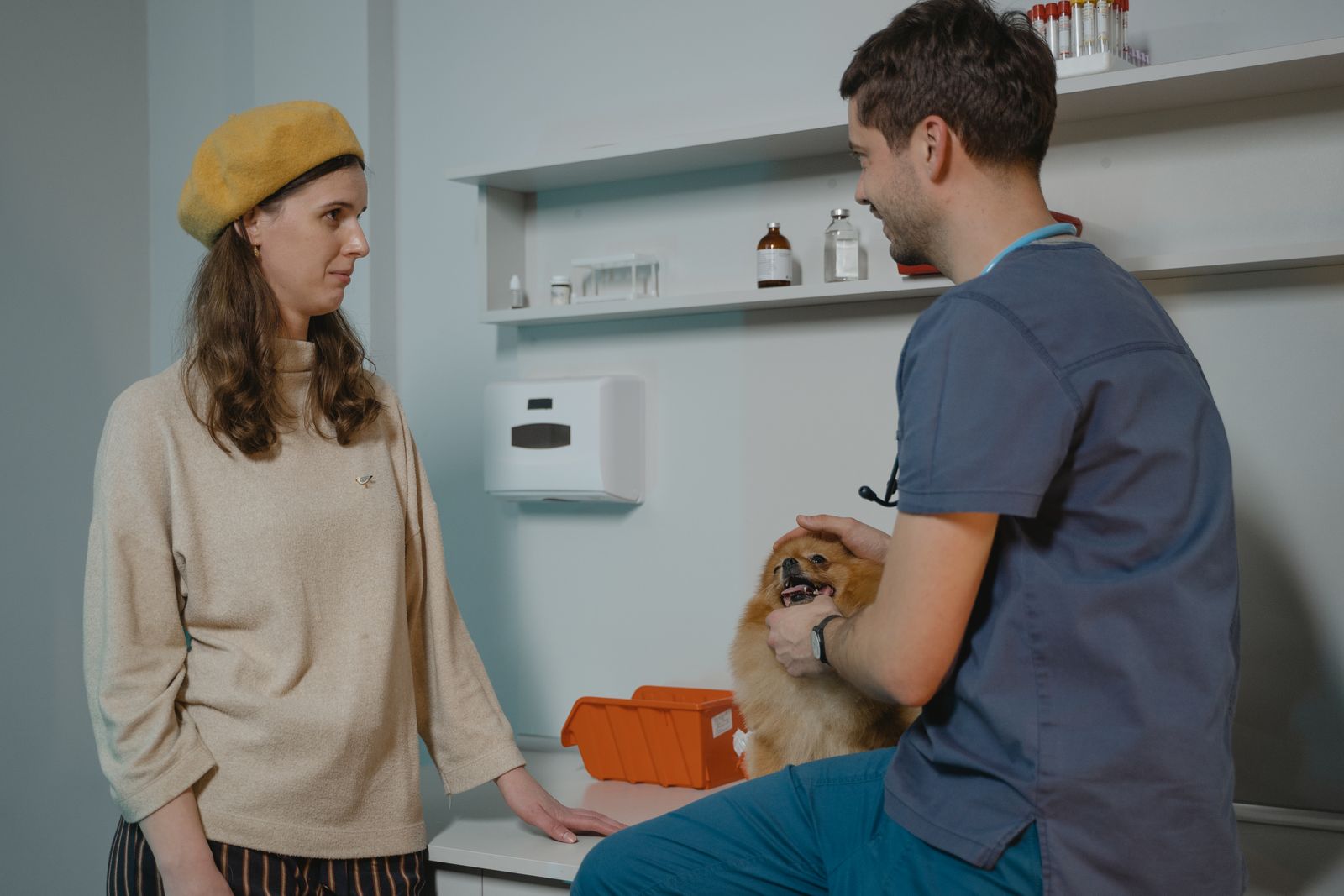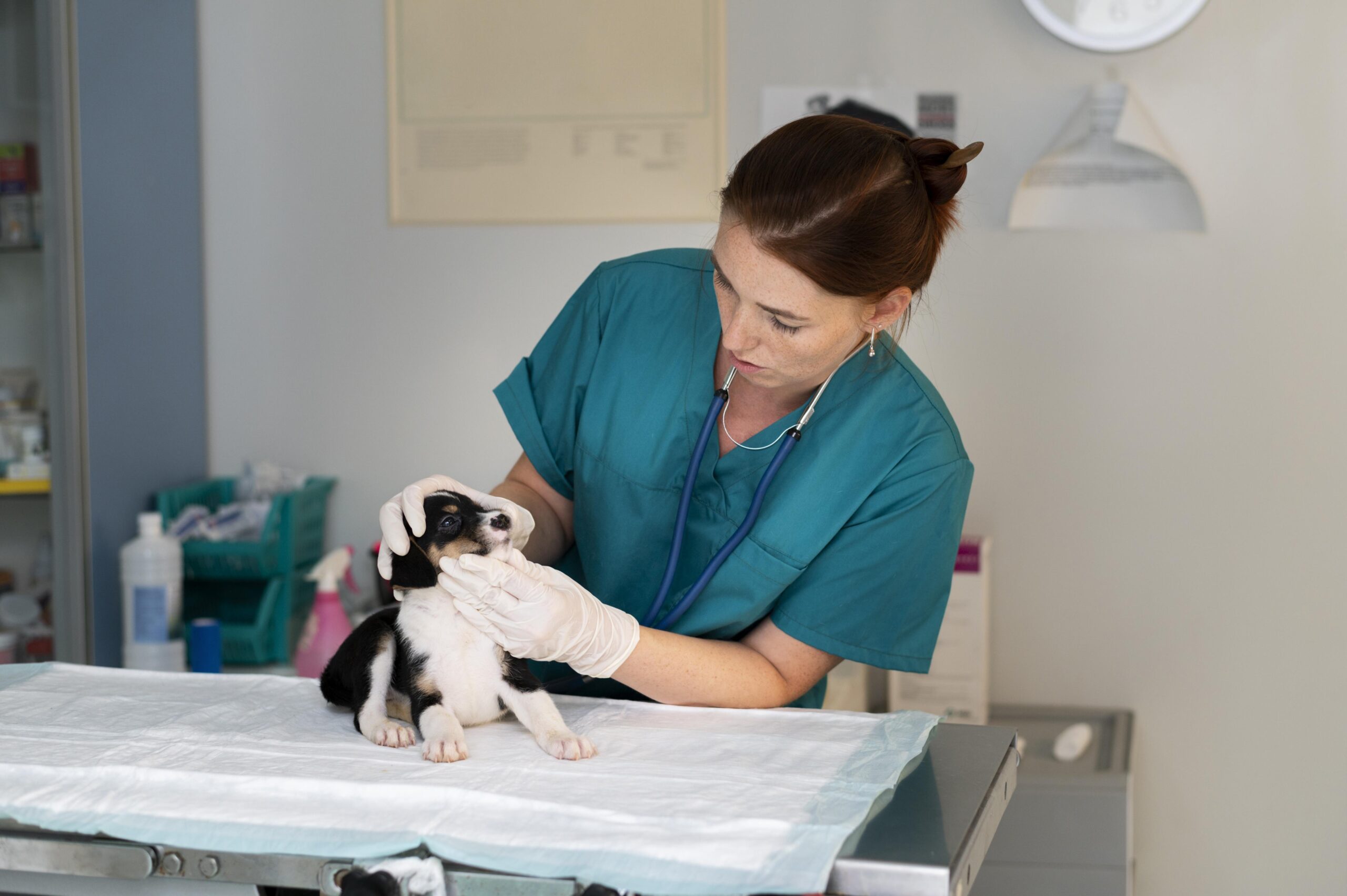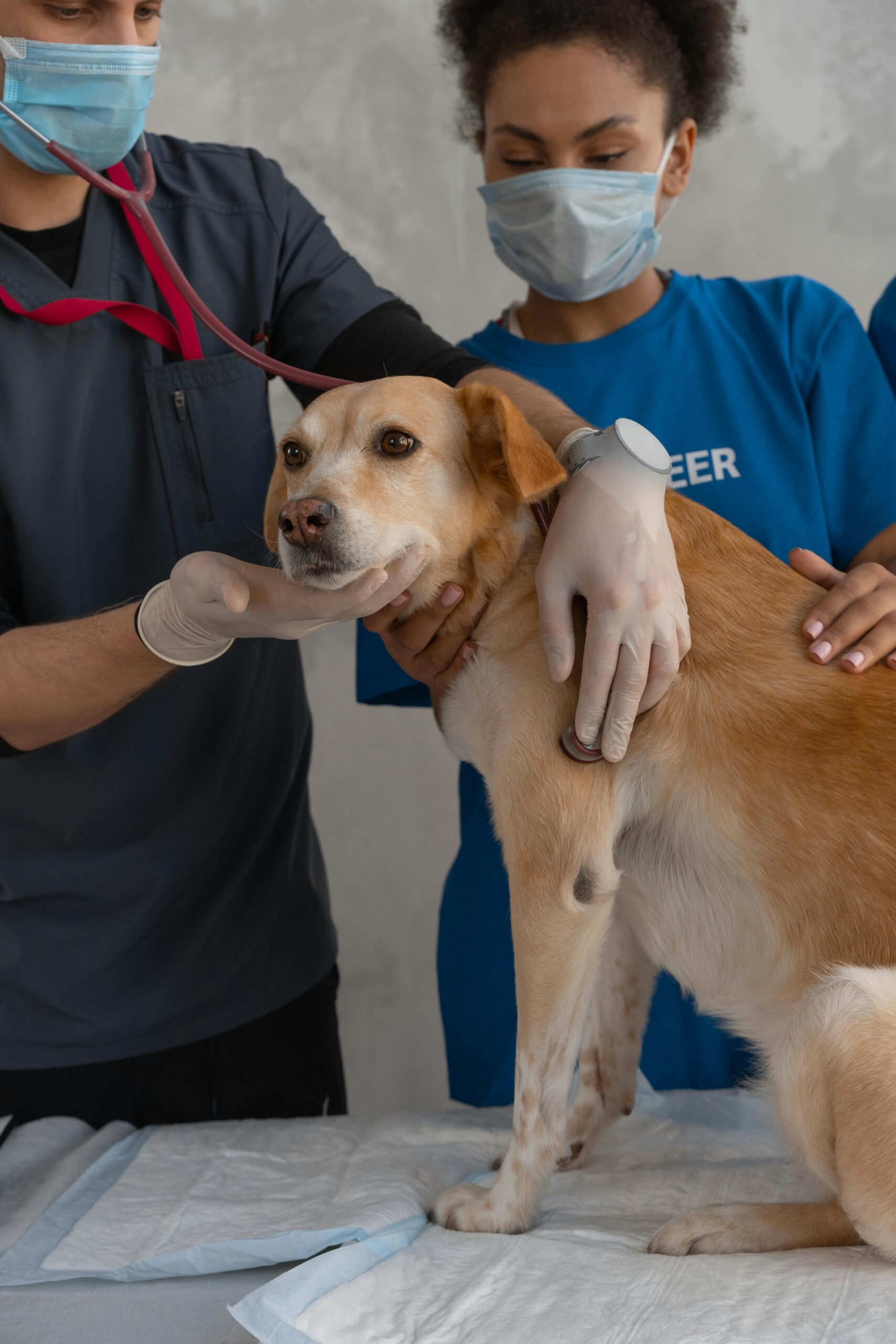
In the dynamic world of veterinary healthcare, embracing technological innovations profoundly impacts how clinics operate and care for patients. Veterinary technology plays a crucial role in enhancing patient care and improving operational efficiency. As the landscape of veterinary practice evolves, practitioners must stay informed on the latest advancements to navigate the challenges posed by rapidly changing healthcare technologies.
Understanding Veterinary Innovations
Veterinary clinics face significant challenges in integrating new technologies effectively into their practice. Whether it’s an associate veterinarian working in a busy clinic or a board-certified veterinary internal medicine specialist conducting specialized procedures, understanding veterinary innovations is essential. Innovations such as advanced imaging techniques, telemedicine, and electronic health records streamline workflows and improve diagnostics.
- Advanced Imaging: High-definition ultrasound and MRI technologies enhance diagnostic accuracy.
- Telemedicine: Remote consultations offer convenience for both veterinarians and pet owners.
- Electronic Health Records: Improve data management, ensuring seamless access to patient histories.
Operational Efficiency in Veterinary Clinics
For practice owners and managers, increasing operational efficiency translates into better patient outcomes and financial sustainability. Veterinary technology aids in scheduling, inventory management, and client communications. Tools such as practice management software automate administrative tasks, allowing clinicians more time for patient care. An urgent care veterinarian can significantly reduce wait times and enhance patient satisfaction through efficient processes.
In addition, embracing cloud-based solutions ensures data security and accessibility. This innovation not only streamlines operations but also supports collaboration among team members, including general practice veterinarians and specialists working together for comprehensive patient care.
Trends Shaping the Future of Veterinary Healthcare
As technology continues to advance, emerging trends impact veterinary practices worldwide. One notable trend is the rise of wearable technology for pets. Devices that monitor vital signs and activity levels provide valuable data. This information allows veterinarians to proactively manage patient health and make informed medical decisions.
Moreover, artificial intelligence (AI) is making its mark. AI-driven diagnostic tools can analyze medical data and support clinical decision-making. This technology is particularly beneficial for critiquing complex cases seen by critical care veterinarians or specialty cadre dealing with intricate medical conditions.
Challenges in Implementing New Technologies
Despite the clear benefits, veterinary clinics face challenges when adopting new technologies. Equipment costs, staff training, and resistance to change are common hurdles. It’s vital for practice owners to foster a culture of continuous learning and adaptability. Engaging staff through workshops and progressive training can mitigate these challenges. For instance, shelter veterinarians often work with limited resources and may need more tailored technology solutions.
Furthermore, ensuring all team members, from mixed animal veterinarians to urgent care practitioners, feel comfortable using new devices is essential for seamless integration. Regular feedback sessions can also pinpoint pain points and foster a team-oriented approach to problem-solving.
Conclusion
The integration of veterinary technologies is not just about staying current; it is about enhancing patient care and operational efficiency. Embracing these innovations can lead to improved outcomes for both patients and clinics. As your clinic explores these technologies, consider how Pulivarthi Group can assist. We specialize in connecting veterinary practices with skilled professionals across various roles, including Associate and Emergency Veterinarians, ensuring your clinic has the talent needed to thrive in this evolving industry. Together, we can navigate the landscape of veterinary healthcare, leveraging innovation to benefit your practice and the animals you care for.