The veterinary field faces constant evolution, particularly in healthcare innovations. As veterinary clinics adapt to changes, the integration of technology becomes critical. Innovations in veterinary healthcare not only improve patient outcomes but also streamline operational efficiency. This blog delves into the latest advancements in veterinary medicine and their implications for clinical practice, especially for veterinarians and clinical staff.
Emerging Technologies in Veterinary Practices
Numerous advancements are transforming how veterinary clinics operate. Telemedicine, for instance, allows veterinarians to consult with pet owners remotely. This technology saves time and enhances accessibility for patients. Clinics with telemedicine options report increased client satisfaction because they can receive advice without visiting the office.
Additionally, the use of electronic health records (EHR) streamlines patient data management. This technology enables seamless communication among team members. Improved accessibility to patient records leads to better decision-making, particularly in urgent care and emergency situations.
Artificial Intelligence and Machine Learning
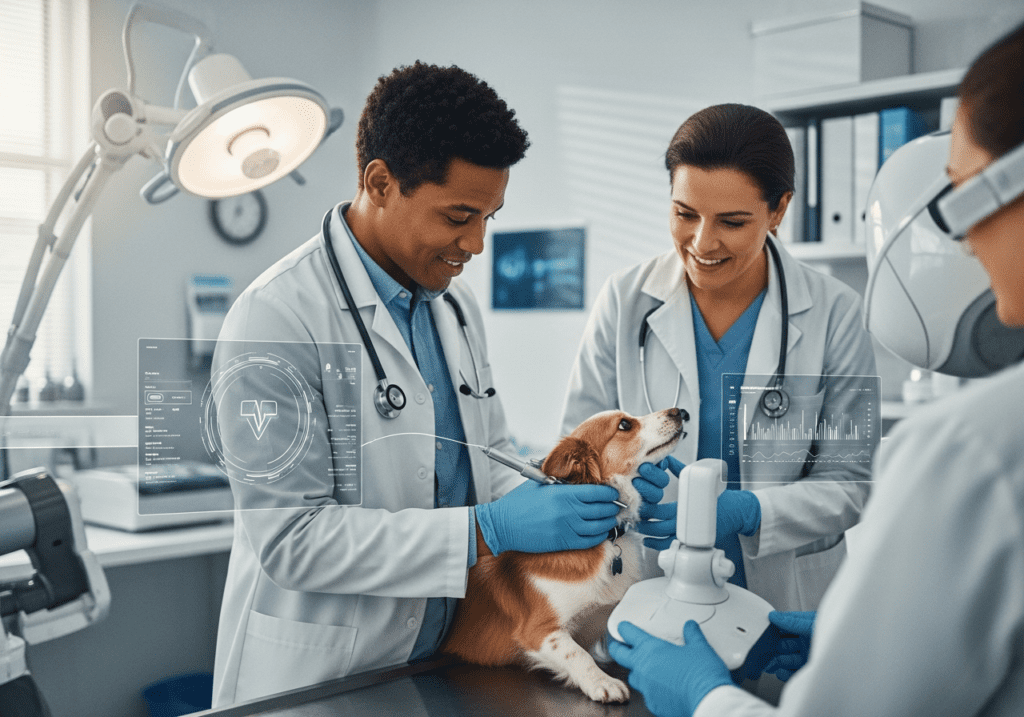
Artificial intelligence (AI) is reshaping diagnostic processes in veterinary healthcare. AI algorithms can analyze medical histories and identify patterns that may elude the human eye. For example, an AI-enabled system can help veterinary internal medicine specialists predict disease progression based on historical data.
Moreover, AI enhances operational capacities. By automating routine tasks, staff can focus on more complex clinical responsibilities. This is especially valuable for associate and general practice veterinarians, who balance patient care with administrative duties.
Innovations in Treatment Protocols
Innovations are also evident in treatment protocols. Regenerative medicine, including stem cell therapy, provides new avenues for healing. These therapies are particularly beneficial for orthopedic conditions in animals, often leading to quicker recovery times and improved quality of life.
Emergency and critical care veterinarians frequently utilize advanced imaging techniques, such as MRI and CT scans. These technologies allow for precise diagnoses and tailored treatment plans. Consequently, patients receive timely care which is crucial during critical situations.
Challenges in Integrating Technology
Despite the promise that these innovations hold, integrating technology isn’t without challenges. Many veterinary clinics face barriers such as high costs and a need for staff training. For instance, urgent care and emergency clinics might struggle to implement telemedicine due to the rapid pace of patient turnover.
Additionally, some veterinarians express concern over losing the personal touch in patient interactions. It’s essential to balance technology with human connection, maintaining the empathetic care that defines the veterinary profession.
Staying Updated with Industry Trends
Veterinary professionals must remain attuned to industry trends to leverage these innovations effectively. Attending conferences, engaging in continuous education, and collaborating with peers are vital in staying informed. By understanding new technologies and treatment options, veterinarians can enhance patient care while improving clinic operations.
Furthermore, managing a mixed animal practice requires unique strategies. As food animal veterinarians adopt new technologies, they must customize innovations to serve diverse patient needs. This customization ensures comprehensive care that addresses both companion and food-producing animals.
Conclusion
Innovations in veterinary healthcare are reshaping the landscape of animal care. As veterinarians adopt new technologies, they can enhance patient outcomes and streamline practice operations. At Pulivarthi Group, we understand the challenges your clinic faces in recruiting the right talent. Our role as a staffing agency is to connect you with experienced professionals across various specialties. Whether you need an associate veterinarian, an emergency veterinarian, or a board-certified veterinary internal medicine specialist, we can help bridge the gap, ensuring your clinic’s continued success in adapting to innovations in veterinary healthcare.