In today’s world, the role of police K-9s is crucial. These dedicated dogs support law enforcement officers in various ways. However, their jobs can lead to serious injuries. Emergency veterinary care is essential for their recovery. This post explores the complexities of veterinary emergency care for police K-9s, focusing on challenges clinics face in delivering effective care.
Understanding Police K-9 Injuries
Police K-9s may sustain multiple injuries during duty. This includes gunshot wounds, stab injuries, and trauma from violent encounters. Such injuries require immediate veterinary intervention. The swift response from a veterinary clinic can greatly influence the long-term recovery of these service animals.
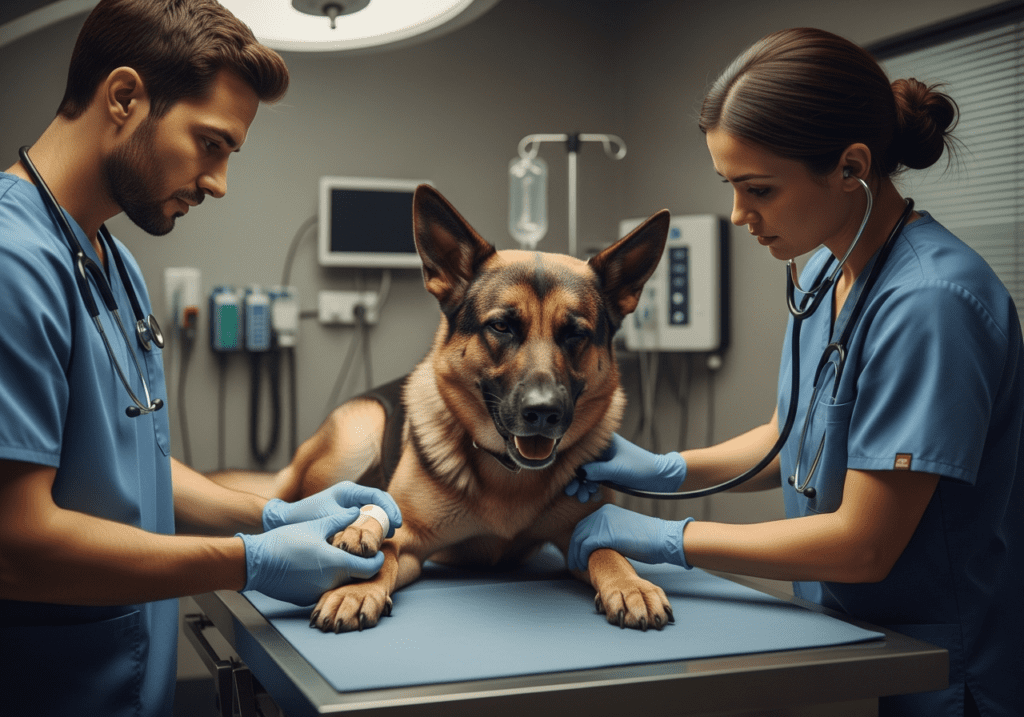
Veterinarians in both emergency and urgent care settings must be equipped to handle these cases. They often work with law enforcement to assess the nature of the injuries. This collaborative approach ensures proper treatment and rehabilitation.
The Emergency Response Protocol
When responding to emergency cases involving police K-9s, efficient communication is key. Officers need to relay the situation accurately to the veterinary team. This ensures that clinics can prepare for specific injuries before arrival.
It’s prudent for clinics to have a protocol in place. This may include:
- Establishing a rapid response team for urgent cases
- Training staff on handling K-9 injuries
- Maintaining a stock of emergency supplies specifically for large breeds
Additionally, clinics should foster relationships with local law enforcement. Frequent drills can improve response efficiency and provide real-world scenarios for training.
Recovery and Rehabilitation Strategies
The recovery of injured police K-9s hinges on various factors. Significant considerations include the severity of the injuries and the speed of medical intervention. Advanced veterinary care can greatly enhance their chances of full recovery.
After initial treatment, rehabilitation becomes vital. Clinics should offer a comprehensive plan that may involve:
- Physical therapy to regain mobility
- Nutritional counseling to boost recovery
- Behavioral therapy if stress from injuries impacts their performance
Veterinary professionals, especially those in specialty roles, play an integral part in this journey. Their insights ensure that each K-9 receives tailored care.
Industry Trends in Emergency Veterinary Care
The landscape of veterinary emergency care is changing rapidly. As injuries to police K-9s become more common, clinics must adapt to emerging challenges. One trend is the integration of technology in diagnostics and treatment.
For example, using digital imaging and telemedicine can expedite care. These tools allow for quicker assessments and, as a result, can improve patient outcomes. Additionally, the growing focus on mental health awareness in veterinary practice is reshaping patient care strategies.
Final Thoughts
Emergency veterinary care for police K-9s addresses a vital need in our society. Clinics play an irreplaceable role in ensuring these brave animals recover from serious injuries. Veterinary staff, from emergency veterinarians to internal medicine specialists, must work together to provide the highest level of care.
Pulivarthi Group recognizes the importance of having skilled professionals available for these critical situations. As a partner in the veterinary community, we help clinics access hard-to-find talent across various specializations. Together, we can enhance veterinary emergency care and ensure that police K-9s receive the lifesaving treatment they deserve.