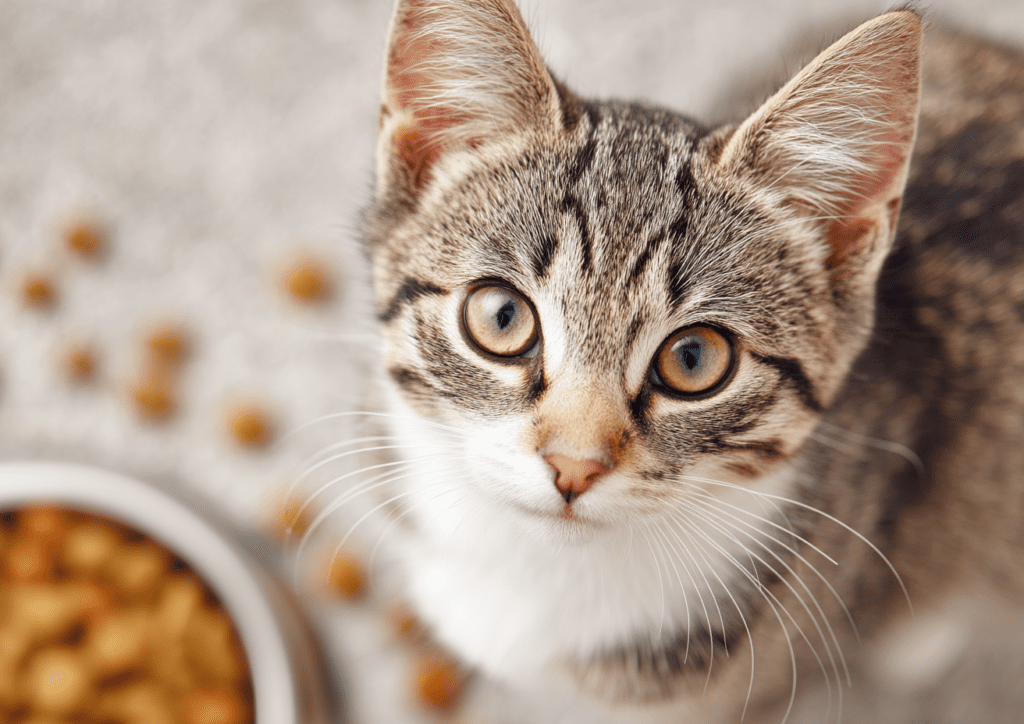
Chronic kidney disease (CKD) remains one of the most common ailments affecting feline patients. Early diagnosis plays a crucial role in improving treatment outcomes for cats with CKD. A recent study from the Journal of the American Veterinary Medical Association emphasizes the importance of timely intervention and dietary management in prolonging the lives of these cats. For veterinarians and clinical staff in veterinary clinics across the U.S. and Canada, understanding the intricacies of CKD management is vital.
Understanding Chronic Kidney Disease in Cats
CKD is a progressive condition often diagnosed in older cats, leading to a gradual decline in kidney function. The challenge for veterinarians is recognizing the subtle signs of CKD early. These may include increased thirst, changes in appetite, and weight loss. Early detection through routine check-ups, blood tests, and proper client education are essential. A proactive approach can significantly impact the quality of life for these feline patients.
Key Diagnostic Approaches
Veterinarians, particularly general practice and urgent care veterinarians, must utilize various diagnostic tools effectively. Comprehensive blood panels can reveal elevated creatinine and blood urea nitrogen levels, helping to diagnose CKD. Urinalysis also plays a role in assessing kidney function and concentrating ability. Regular screenings for at-risk patients, such as geriatric cats, can help catch CKD earlier.
- Routine blood tests to monitor renal parameters.
- Specific gravity evaluation through urinalysis.
- Assessing clinical signs during routine check-ups.
For shelter and community medicine veterinarians, implementing low-cost diagnostics can aid in identifying CKD in at-risk populations, ensuring timely care for homeless or abandoned cats.
Nutritional Interventions and Patient Care
Once diagnosed, dietary interventions are crucial for managing feline CKD. Low-protein diets that maintain essential amino acids while limiting waste production can help slow disease progression. Food animal veterinarians and specialists in feline nutrition can assist in developing tailored dietary plans that suit individual patient needs. This collaboration enhances care and fosters better outcomes.
In addition, ensuring hydration is vital. Encouraging water consumption through wet food or fountains can support kidney health. Educating pet owners about these aspects can lead to improved compliance and better health outcomes for cats with CKD.
Operational Efficiency in Veterinary Clinics
Veterinary practice owners and managers should focus on operational efficiency to support CKD management effectively. This includes training staff on CKD recognition and patient education, thus enabling them to assist in client interactions meaningfully. Utilizing veterinary technicians and support staff can enhance clinic workflow and ensure comprehensive care.
- Adopting an organized approach to patient records tracking.
- Creating a CKD management protocol for clinical teams.
- Incorporating client education programs in regular outreach.
Emergency and critical care veterinarians must also be prepared to handle acute kidney injury cases resulting from undiagnosed chronic conditions. Appropriately training these professionals to recognize potential CKD earlier can save lives and reduce the burden on emergency services.
Embracing Technological Advancements
The integration of AI in veterinary diagnostics and patient care is becoming increasingly relevant. Tools powered by AI can assist in early diagnosis and personalized treatment plans for cats with CKD. Veterinarians should stay informed about these advancements for better clinical practices. Utilizing technology not only enhances diagnostic accuracy but also streamlines patient management.
Conclusion
Chronic kidney disease in cats represents a significant challenge within veterinary practices, but proactive strategies can lead to improved outcomes. As veterinary clinics focus on enhancing early diagnosis and nutritional strategies, they also engage in operational efficiencies that benefit both the practice and the patient. Collaborating with experienced staffing agencies like Pulivarthi Group can help clinics access skilled veterinarians across various roles, from general practice to specialty care. This access ensures that clinical teams are well-equipped to provide exceptional care and education to pet owners affected by CKD.