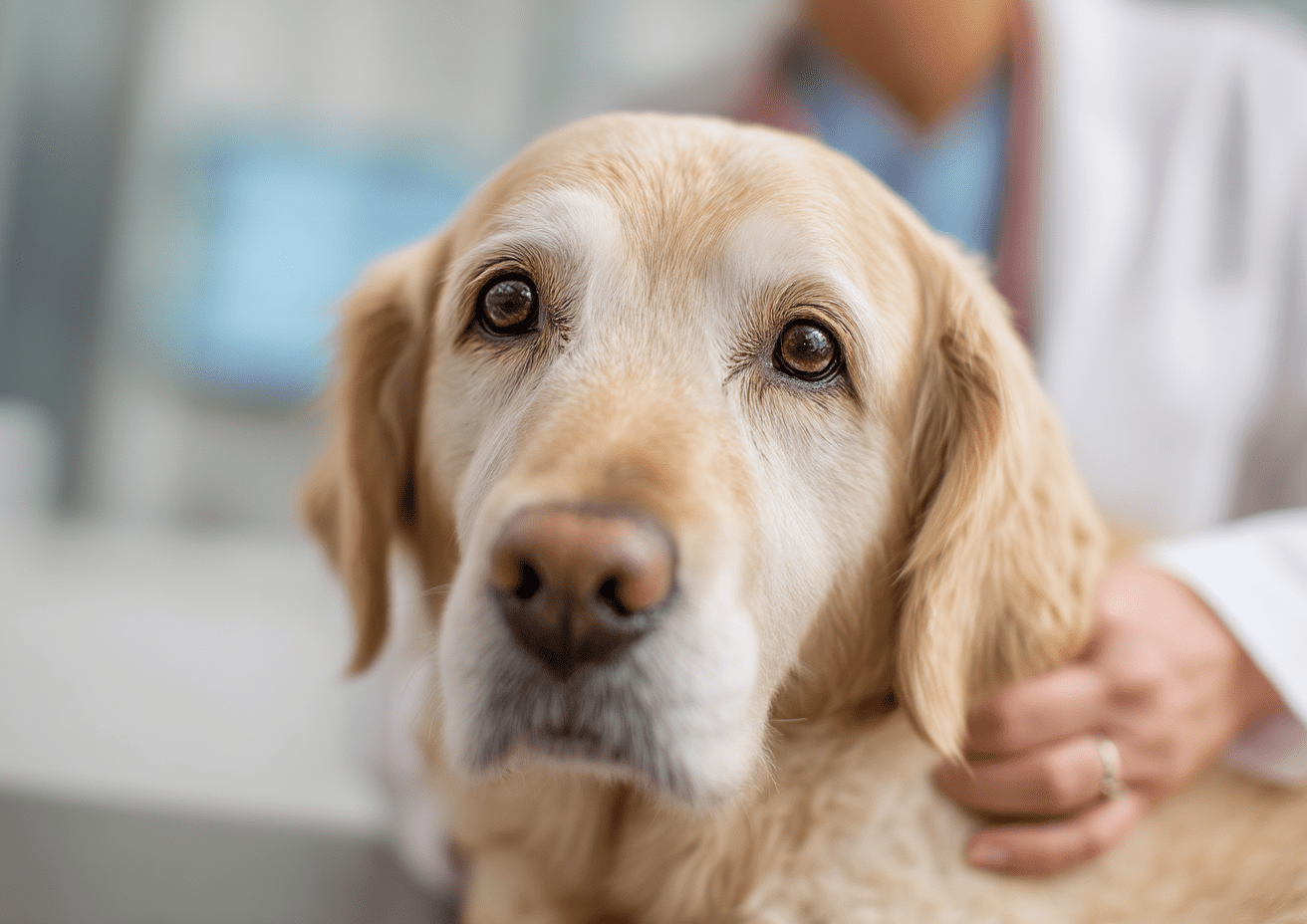
The recent recall of the IMRAB 3TF rabies vaccine has raised significant concerns among veterinary clinics worldwide. As veterinarians and clinical staff, understanding the implications of this recall is crucial for patient care and public health safety. The effectiveness of rabies vaccines is fundamental in ensuring the health of both pets and the community. This blog post will explore how this recall impacts veterinary practices and the necessary steps practitioners must take to maintain compliance and trust.
Understanding the Rabies Vaccine Recall
Boeringer Ingleheim has recalled a specific batch of the rabies vaccine, emphasizing the need for awareness and compliance in veterinary practices. The recall stems from concerns regarding the vaccine’s effectiveness, posing a risk to both pets and public health. Veterinary clinics must act swiftly to identify affected vaccines in their inventory. This situation highlights the importance of vaccine safety protocols and clear communication between clinics and pet owners.
Clinical Implications for Veterinary Practices
In the context of the recall, various veterinary roles face unique challenges. For instance, General Practice Veterinarians will need to reassure pet owners about the safety of remaining vaccine stocks. Urgent Care and Emergency Veterinarians may experience increased workloads, as more pet owners rush in for vaccinations and consultations. Critical Care Veterinarians might encounter cases of rabies exposure that could have been prevented if proper vaccination protocols were followed.
- Perform regular inventory checks to identify the recalled vaccine batch.
- Notify clients who have received the vaccine from the affected batch.
- Implement additional safety measures to assure pet owners of vaccine efficacy.
Operational Efficiency Amidst Recall Challenges
Efficiency is vital during a vaccine recall. Veterinary clinics must streamline their operations to ensure they can respond effectively. Setting up systems to track vaccine lots and automating client notifications can save time and enhance communication. Additionally, staff training on managing public health concerns can empower associates and general practice vets to provide accurate information during consultations.
Emerging from this recall, mixed animal and food animal veterinarians must also stay informed, as rabies vaccines are critical for livestock and agricultural animals. They should educate farmers and ranchers on the significance of rabies vaccination in maintaining herd health and public safety.
Staying Informed: Vaccine Safety and Public Health
The urgency surrounding the rabies vaccine recall highlights the need for ongoing education about vaccine safety in veterinary medicine. Clinics should participate in continuing education opportunities and stay connected with veterinary regulatory bodies. Understanding the latest industry trends surrounding vaccine compliance and safety will help practitioners safeguard their practices and patient health.
- Engage actively with resources from veterinary associations regarding vaccine updates.
- Ensure compliance with local and international public health guidance.
- Foster relationships with pharmaceutical representatives for reliable communication.
Building Trust with Clients
In scenarios like these, transparency is paramount. Clear communication with pet owners regarding vaccine recalls and safety measures fosters trust. Veterinary clinics should provide educational resources and reassurance about vaccine practices. Board-Certified Veterinary Internal Medicine Specialists and community medicine veterinarians can play a pivotal role by reinforcing the importance of vaccine safety in their communication.
As veterinary professionals, your commitment to patient care, public health, and operational excellence is more crucial than ever. This recall serves as a reminder to prioritize vaccine safety and patient advocacy in veterinary medicine.
Conclusion
In summary, the recall of the IMRAB 3TF rabies vaccine presents challenges and opportunities for veterinary clinics to enhance compliance and patient safety. At Pulivarthi Group, we understand the importance of accessing skilled talent across various veterinary roles to navigate these complexities effectively. Our services connect veterinary clinics with qualified professionals, including Associate Veterinarians, General Practice Veterinarians, and various specialists needed to support robust clinical practices. Together, we can ensure that your clinic operates efficiently while maintaining the highest standards of patient care.