The veterinarian-client-patient relationship (VCPR) serves as a cornerstone of veterinary practice. Recent U.S. Supreme Court decisions have prompted discussions on the in-person requirements essential for establishing this vital relationship. Understanding these legal shifts is crucial for veterinary clinics, especially as they may impact how practices operate in the near future.
The Importance of VCPR in Veterinary Practice
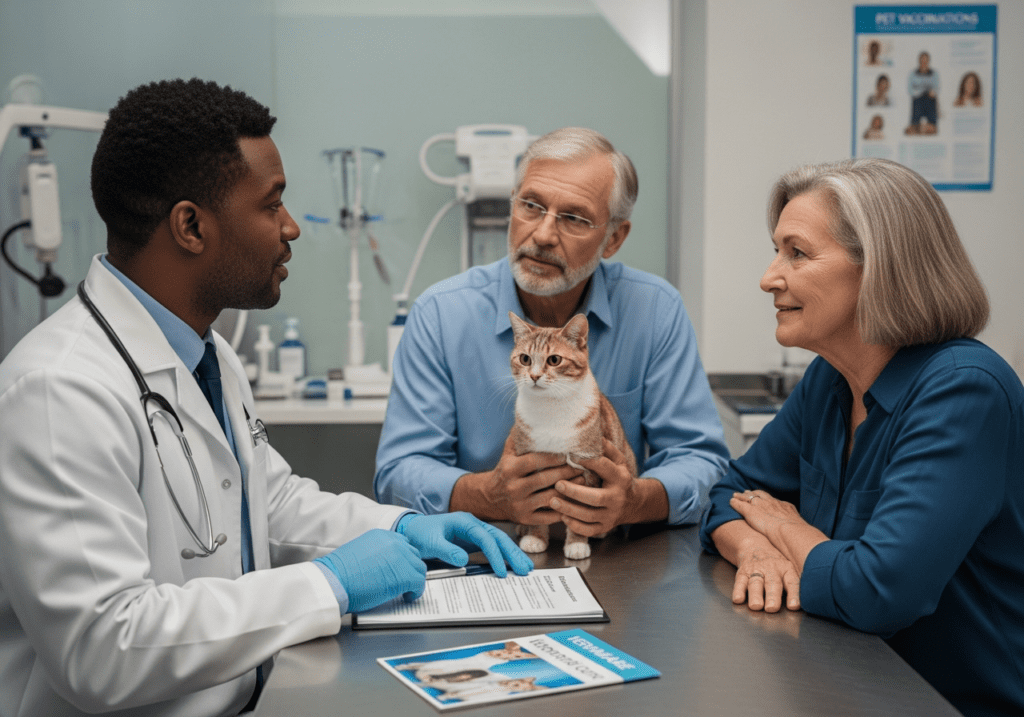
A strong VCPR is critical for effective patient care and legal compliance in in-person and telehealth scenarios. The relationship allows veterinarians to make informed decisions based on their firsthand knowledge of the animal and the client. However, with changing regulations and recent court decisions, how clinics adapt to these requirements can significantly affect their operations.
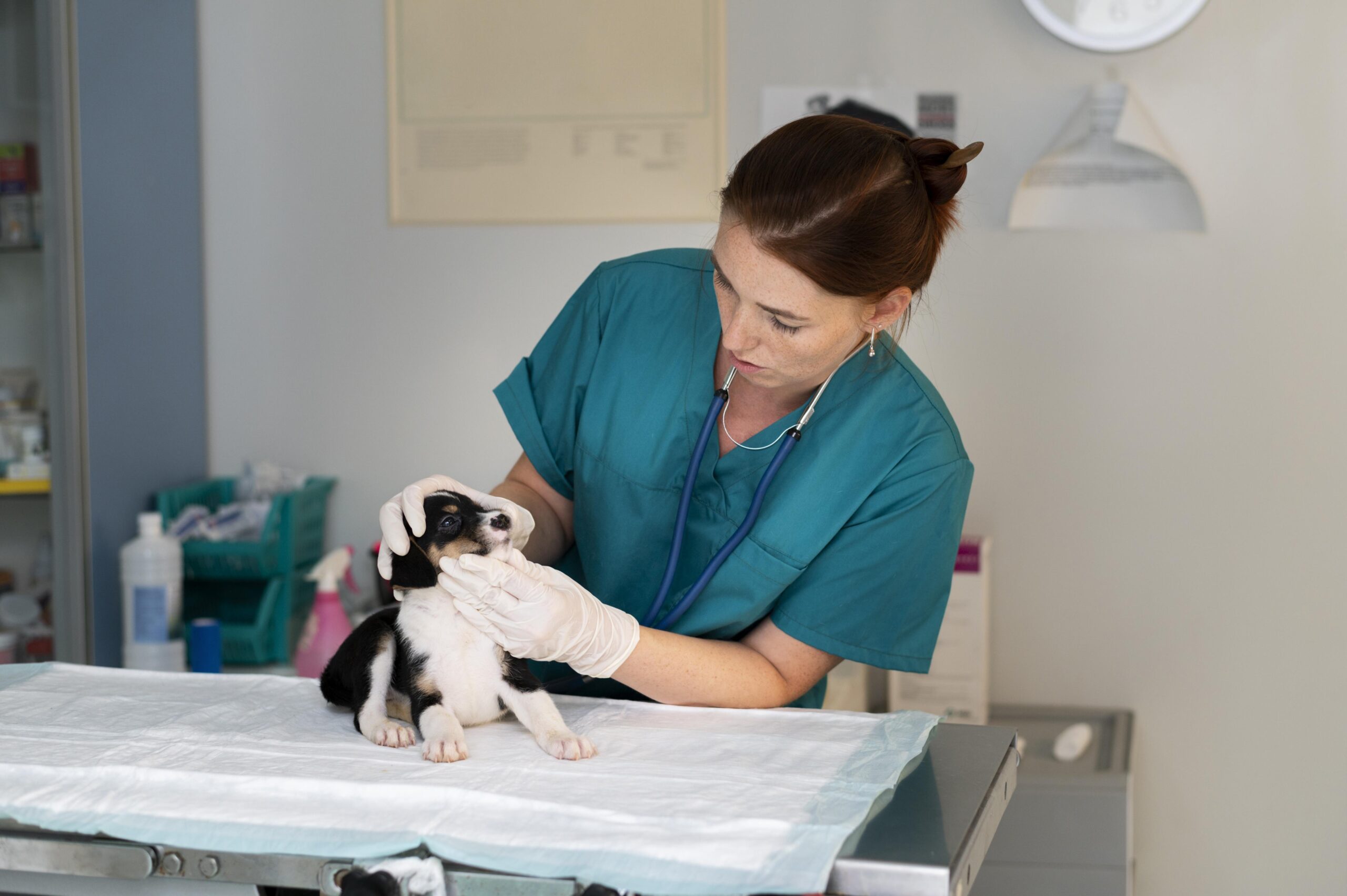
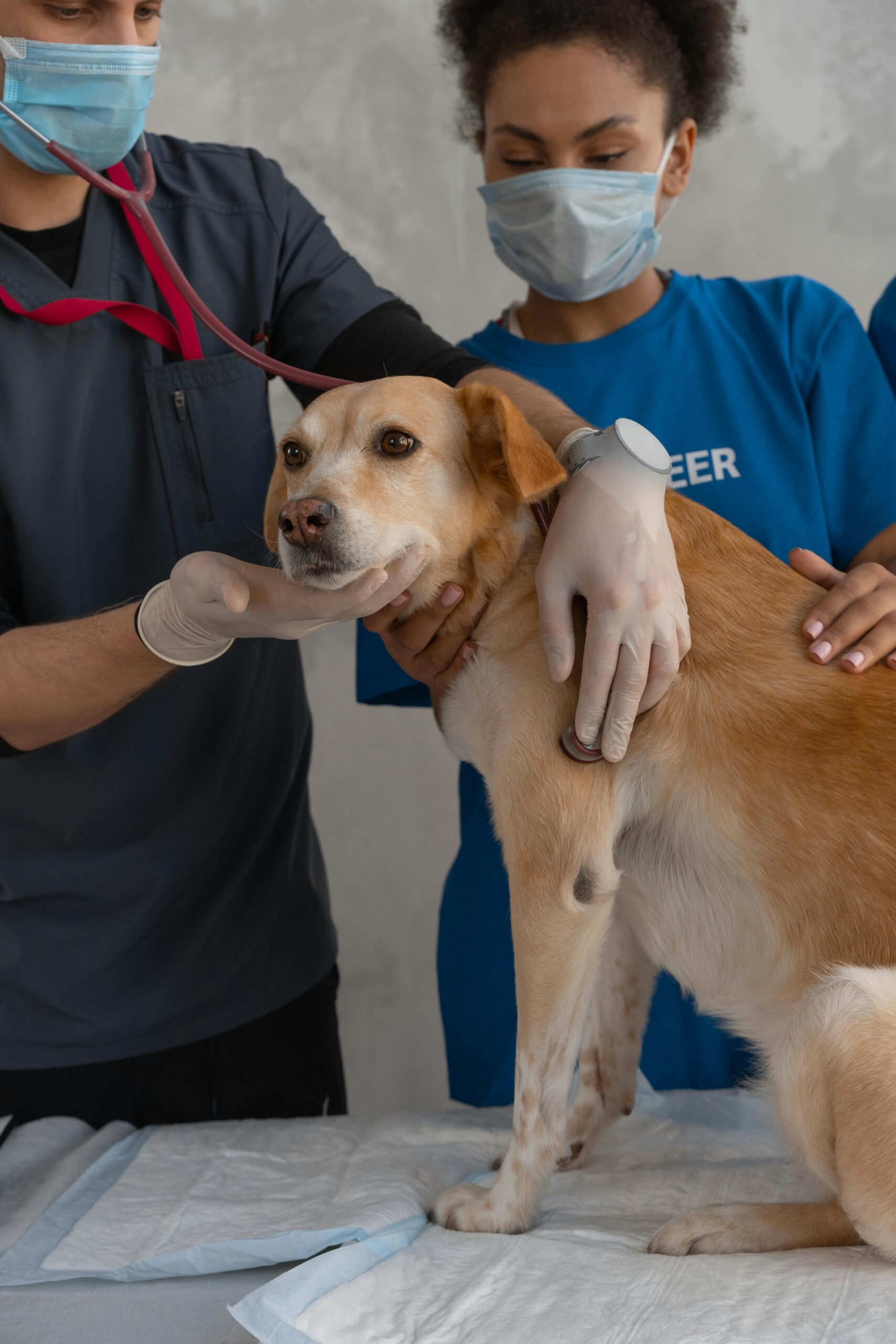
- Clinics must ensure they conduct physical examinations to establish VCPR.
- Professionals should continuously educate themselves on jurisdictional variations.
- Immediate implementation of best practices is essential for compliance.
Recent Legal Developments Impacting VCPR
Two recent Supreme Court decisions could reshape how VCPR is established in the United States. Specifically, these rulings have drawn attention to the possibility of telemedicine services replacing face-to-face interactions. This has raised questions among veterinary professionals regarding the adequacy of non-contact methods for maintaining VCPR.
For instance, telemedicine could offer convenience but may not fulfill the in-person examination requirement critical for VCPR. As a result, some clinics face operational challenges in effectively integrating telemedicine while adhering to legal standards.
Challenges Across Various Veterinary Roles
Different veterinary roles face unique challenges related to VCPR requirements. For example, an urgent care veterinarian may find it easier to incorporate telemedicine due to the nature of their practice. Conversely, a critical care veterinarian must ensure patients receive immediate and thorough evaluations to establish VCPR effectively.
- Shelter veterinarians often work with animals that may already have established relationships with previous practitioners.
- Food animal veterinarians may have to navigate VCPR within agricultural settings, which can differ considerably from small animal practices.
Implications for Clinic Operations
As veterinary professionals assess how these court decisions influence the in-person requirements for establishing VCPR, operational responses are critical. It is vital for veterinary clinics to review their policies and procedures to ensure they remain compliant while providing excellent patient care.
Moreover, practice owners and managers should engage their clinical teams in discussions about these changes. Informing staff about the implications fosters a collaborative environment that supports compliance while addressing client concerns effectively.
Staying Informed on VCPR Requirements
Veterinary clinics must remain proactive in keeping up-to-date on evolving VCPR regulations. Open communication channels with state veterinary boards can provide essential insights. Moreover, attending relevant workshops and seminars can also help solidify understanding among veterinary professionals about these legal changes.
Integrating VCPR training into clinic staff development ensures that all team members are aware of the requirements and implications for patient care. This proactive approach can enhance the quality of service provided to clients and patients alike.
Conclusion
The implications of the recent Supreme Court decisions on the veterinarian-client-patient relationship are significant for veterinary clinics across the United States. Understanding these legal changes is imperative for ensuring compliance and maintaining excellent patient care. As practices adapt to these evolving requirements, Pulivarthi Group stands ready to support veterinary clinics in navigating workforce challenges by connecting them with qualified talent. Whether seeking Associate Veterinarians, Emergency Veterinarians, Veterinary Internal Medicine Specialists, or other roles, our commitment is to help clinics thrive in this changing landscape.