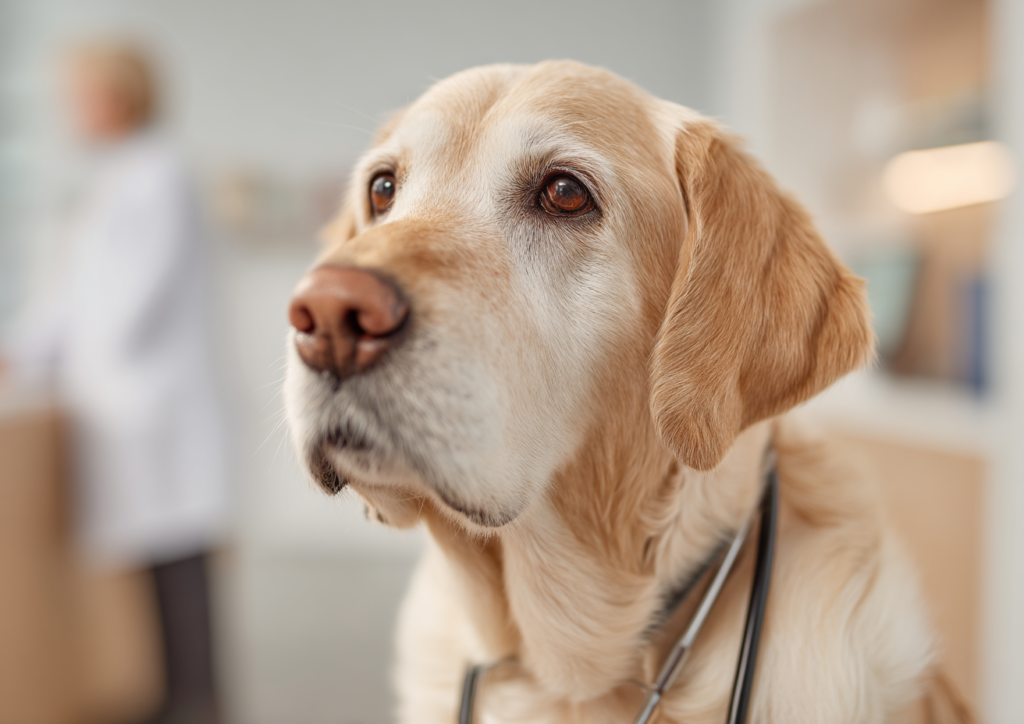
Oncology diagnostics are becoming increasingly vital in veterinary medicine, especially as we learn more about cancer in animals. For primary care veterinarians, knowing the most effective ways to prepare patients for oncology referrals can enhance patient care and improve the outcomes of oncologic workups. In this blog, we will walk through actionable steps that will help you streamline patient care, reduce costs, and foster collaboration with oncologists.
Understanding the Importance of Early Diagnostics
Effective oncology diagnostics can lead to earlier detection and better treatment options, particularly in veterinary oncology. It is crucial to identify signs that may warrant further investigation. For example, sudden weight loss, changes in appetite, and unusual lumps should raise a red flag. Knowing what clinical signs to look for allows you to act swiftly, thus improving your patients’ chances of a positive outcome.
Essential Steps for Preparing Your Patient
- Gather Comprehensive History: Collect detailed patient history, including any previous illnesses and treatments. Note any hereditary conditions, especially in breeds predisposed to certain cancers.
- Conduct Thorough Physical Exams: Perform complete physical examinations. Identify any abnormalities and document their progression over time.
- Initial Diagnostic Tests: Run necessary lab tests, including blood work and urinalysis. For example, elevated liver enzymes may suggest further imaging is needed.
- Imaging Tools: Utilize radiographs and ultrasound as initial diagnostics when lumps or unusual masses are detected. These imaging results can be crucial for the oncologist’s assessment.
- Client Communication: Ensure you effectively communicate the findings to the pet owner. Explain what the additional tests involve and why they are necessary.
Establishing Referral Processes
Establishing a streamlined referral process can significantly improve patient care in veterinary oncology. As you prepare for a referral, consider the following:
- Choosing the Right Oncologist: Collaborate closely with local veterinary oncologists. Their expertise will complement your general practice and enhance patient outcomes.
- Documentation: Ensure that all findings and test results are clearly documented. This documentation should accompany your patient at the time of referral.
- Follow-Up Protocols: Implement a follow-up protocol post-referral. This practice ensures that you are updated about the patient’s progress and fosters continuous care.
Ongoing Education and Collaboration
Staying informed about advancements in oncology diagnostics is critical for your clinic’s operational efficiency. Attending veterinary oncology conferences, collaborating with specialists, and accessing continuing education resources can greatly enhance your practice’s capabilities. Furthermore, discussing cases with colleagues can lead to new insights and treatment approaches.
Concluding Thoughts
In summary, effective oncology diagnostics play a pivotal role in veterinary patient care. By gathering thorough patient histories, conducting precise physical exams, and establishing strong communication with clients and specialists, you can streamline the oncology referral process. These steps not only enhance the referral experience for patients but also improve overall outcomes. As you navigate the complexities of veterinary oncology, consider how Pulivarthi Group can support your clinic in accessing specialized talent. Whether you need an Associate Veterinarian or a Board-Certified Veterinary Internal Medicine Specialist (DACVIM), we are here to help you find the right fit for your practice.