In veterinary clinics, understanding the link between pet nutrition and dermatological health is paramount. Nutrition plays a critical role in the skin’s health, influencing everything from allergies to infections in pets. As veterinarians and clinical staff navigate the challenges of treating dermatological conditions, they must recognize the significant impact that what pets eat can have on their skin.
Understanding Nutrition’s Impact on Dermatology
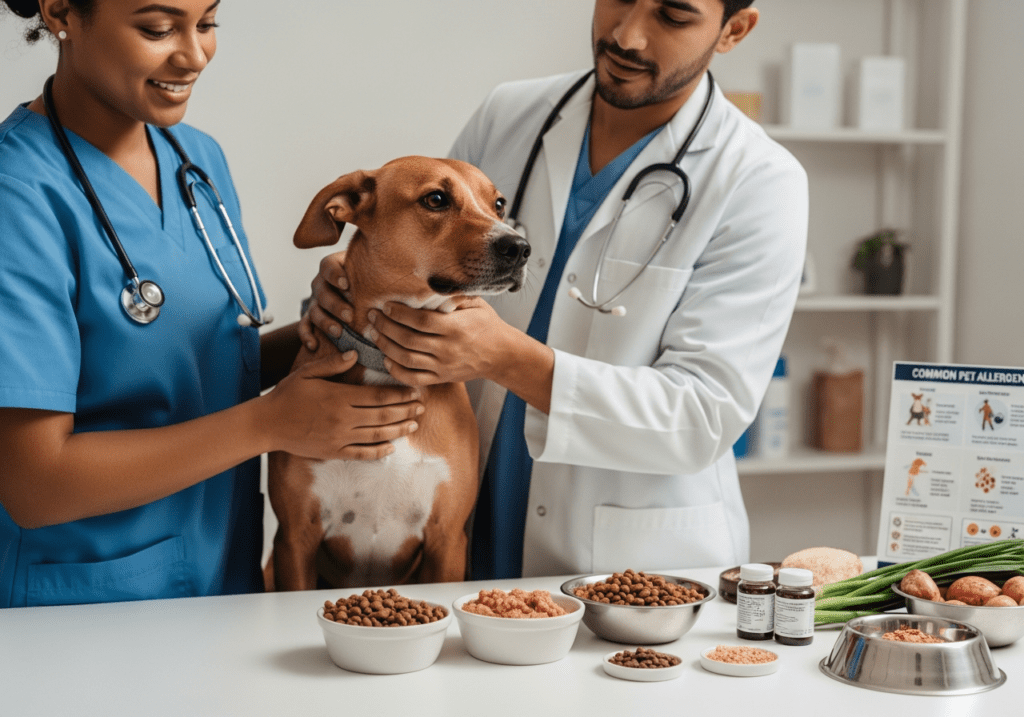
The connection between pet nutrition and skin health cannot be overstated. Nutritional deficiencies can lead to various skin conditions, including dermatitis, hair loss, and excessive scratching. For instance, a lack of essential fatty acids often results in dry, flaky skin. In this context, it is vital for veterinary professionals to incorporate nutrition assessments into their standard dermatological evaluations.
- What are the essential nutrients for skin health? Key nutrients such as omega-3 and omega-6 fatty acids, antioxidants, and vitamins A and E play significant roles in maintaining healthy skin.
- How can clinical staff educate pet owners? Veterinary professionals should provide clear guidance on appropriate diets that support skin health, helping pet owners recognize the signs of nutritional deficiencies.
Veterinary dermatology is increasingly focusing on personalized nutrition plans. This consideration is particularly relevant for urgent care veterinarians and emergency veterinarians, who often treat acute allergic reactions or skin infections. By understanding the nutritional components that can exacerbate or alleviate these conditions, they can improve treatment outcomes.
Navigating Common Dermatological Issues
Many common dermatological issues in pets, such as atopic dermatitis or pyoderma, can be mitigated through proper nutrition. This highlights the role of mixed animal veterinarians and food animal veterinarians in ensuring adequate nutrition across various species. By recognizing how dietary adjustments can impact specific skin conditions, veterinarians can make informed recommendations.
- What role does breed play in dietary needs? Certain breeds may be more predisposed to skin issues, necessitating tailored nutritional support to maintain skin integrity.
- How does an emergency veterinarian approach skin emergencies? Emergency situations often require rapid assessment of nutritional deficiencies, which can impact recovery rates.
The implementation of effective nutrition plans can also aid organizations like shelters and community medicine veterinarians. These professionals often work with animals facing significant health challenges. Educating pet owners about the importance of nutrition can lead to improved outcomes for pets in shelters.
Conclusion: Moving Towards Integrated Care
As we continue to explore the integral role of nutrition in pet dermatology, veterinarians must stay informed about the latest research and trends in nutritional science. By integrating proper nutrition into all facets of veterinary care—especially in dermatological practice—veterinary teams can enhance patient health and operational efficiency.
At Pulivarthi Group, we recognize the challenges veterinary clinics face in accessing specialized talent. We help clinics find skilled professionals across various roles, including Associate Veterinarians, General Practice Veterinarians, and Board-Certified Veterinary Internal Medicine Specialists (DACVIM). By ensuring clinics have access to the right talent, we support their mission to deliver exceptional patient care and improve the overall health of pets.