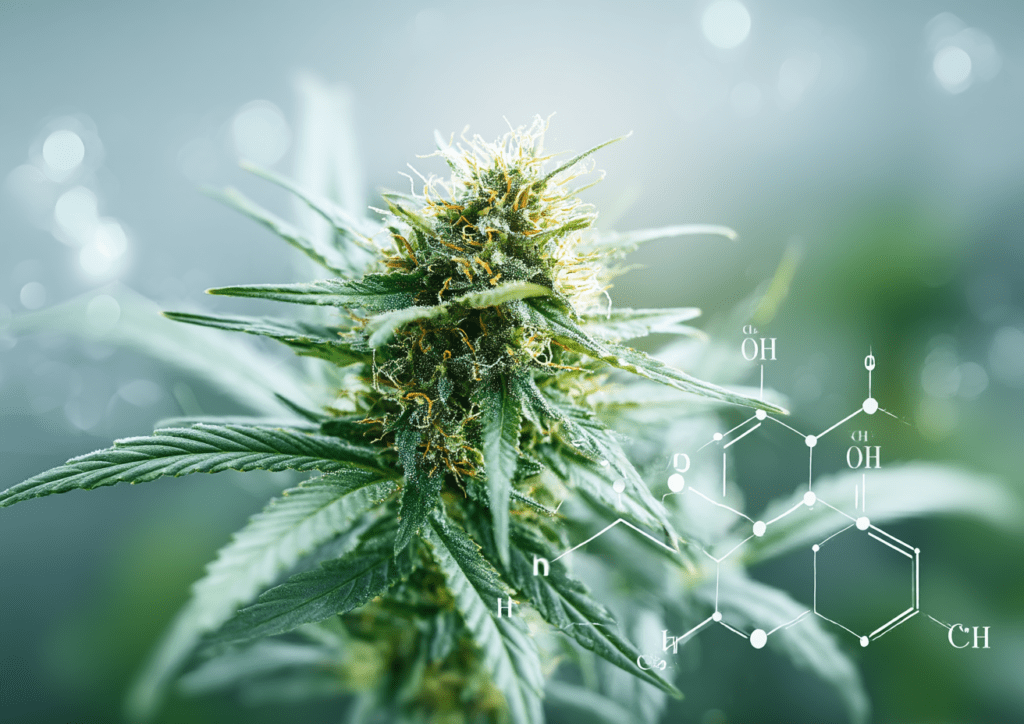
The interplay between cannabis effects and alcohol craving has garnered renewed interest in the mental health community. Recent research sheds light on how working memory capacity influences individuals’ alcohol urges following cannabis use. This topic is essential for mental health providers, such as clinical psychologists and licensed clinical social workers, who work with patients dealing with substance use disorders. Understanding these dynamics can enhance treatment strategies in various care settings, including outpatient clinics and rehabilitation facilities.
Understanding Cannabis Effects on Alcohol Urge
Research indicates that individuals with higher working memory capacity may experience reduced urges to consume alcohol after using cannabis. This finding has significant implications for treatment methodologies. For instance, clinicians can consider tailoring interventions based on cognitive capabilities. In both inpatient and outpatient settings, it becomes vital to assess a patient’s cognitive functioning as part of their treatment plan.
Implications for Treatment and Patient Outcomes
Integrating knowledge about cannabis effects can improve patient outcomes in mental health. Licensed mental health professionals, including psychiatric mental health nurse practitioners (PMHNPs) and psychiatrists, must understand how these dynamics can either alleviate or exacerbate cravings. For example, utilizing cannabis and its components, such as CBD, as a natural remedy may support patients struggling with heavy drinking.
In therapy centers, where behavioral approaches are key, licensed clinical social workers (LCSWs) undergoing motivational interviewing or cognitive-behavioral therapy may find discussing cannabis usage beneficial. It can help deconstruct cravings and withdrawal symptoms, leading to better management strategies.
Cognitive Capacity and Cravings: A Dual Focus
Consider the population at autism centers or facilities focusing on intellectual and developmental disabilities (IDD). These patients may struggle with working memory issues that can amplify their cravings for alcohol. Implementing tailored approaches based on an individual’s cognitive capacity can facilitate more effective treatments. For example, board-certified behavior analysts (BCBAs) can develop behavior modification strategies that integrate educational elements about cannabis and its effects on cravings.
Beyond Just Substance Use
The conversation surrounding alcohol craving and cannabis effects also ties into broader discussions within mental health. For instance, withdrawal symptoms from alcohol can be complex and vary significantly among individuals. Mental health leaders should advocate for research-backed policies that incorporate new findings into clinical practice. Understanding the side effects of cannabis use and its context within addiction treatment frameworks can help clinicians in decision-making processes.
Adapting to Regulatory and Workforce Realities
In light of shifting regulations around cannabis use, mental health providers must stay informed about current trends. Compliance with state and federal laws regarding cannabis can shape the frameworks within which mental health practices operate. This informs everything from clinical practice to workforce training and continuing education. Clinical leaders must navigate these regulations effectively while ensuring that the care they provide aligns with evidence-based practices.
Conclusion
As the landscape of mental health continues to evolve, the relationship between cannabis use and alcohol cravings becomes increasingly relevant. For mental health organizations looking to optimize treatment delivery and enhance patient outcomes, integrating current research into clinical practice is paramount. By understanding how working memory impacts both cannabis effects and alcohol cravings, practitioners can provide more tailored and effective care.
The Pulivarthi Group positions itself as a vital partner in this endeavor. We help organizations access a diverse pool of qualified mental health professionals, including clinical psychologists, PMHNPs, BCBAs, psychiatric PA-Cs, LCSWs, and psychiatrists across various care settings. Together, we can advance mental health care practices and support individuals as they navigate their recovery journeys.