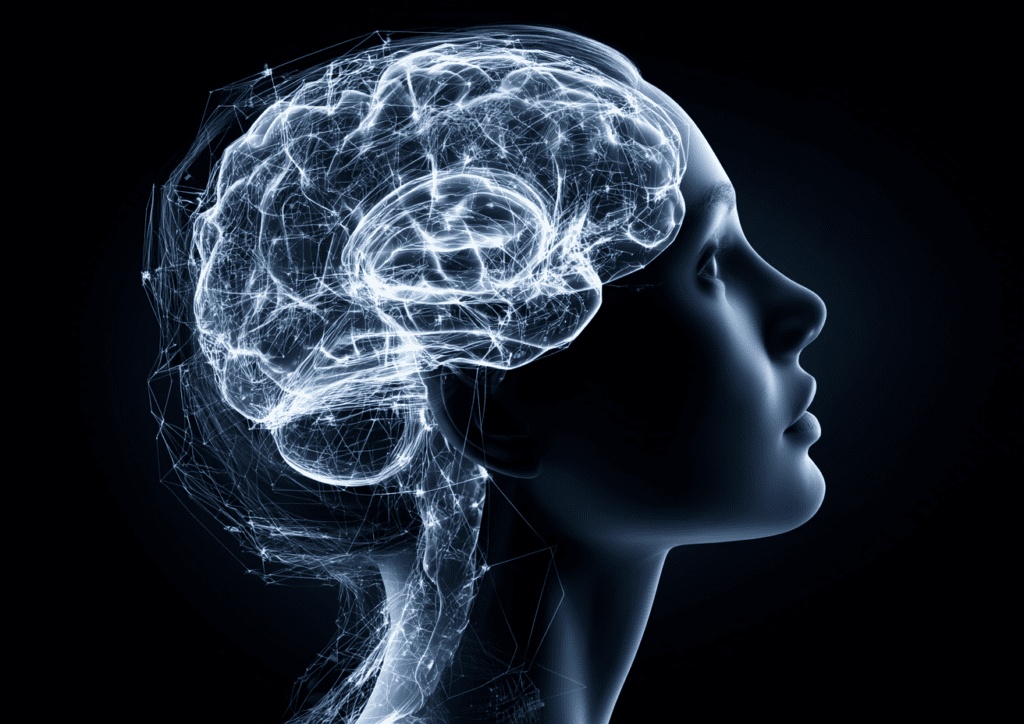
Anhedonia, a term that denotes the inability to experience pleasure, represents a significant challenge within the mental health sector. Recent research emerging from Germany has illuminated the genetic factors contributing to anhedonia and its connection to altered brain activity during reward processing. Understanding these connections is crucial for mental health clinics, hospitals, and rehabilitation centers aiming to improve patient outcomes.
Understanding Anhedonia and Its Neural Basis
At its core, anhedonia manifests as a symptom of various mental health disorders, including depression and schizophrenia. It may severely affect an individual’s cognitive abilities and overall quality of life. The recent study explores how genetic predispositions influence brain activity related to reward processing. Recognizing this link can help clinical psychologists, psychiatrists, and other mental health professionals tailor specific therapies that address the underlying neural mechanisms.
Implications for Clinical Care Delivery
Addressing anhedonia involves adapting treatment frameworks across different care settings. For outpatient clinics and telepsychiatry models, integrating cognitive neuroscience insights could enhance therapy effectiveness. For instance, techniques like brain mapping may assist psychiatric mental health nurse practitioners (PMHNPs) in identifying patients most responsive to targeted interventions.
In inpatient settings, mental health professionals can utilize findings about brain activity to design rehabilitation programs that prioritize rewarding experiences, fostering a sense of achievement and satisfaction among patients.
Operational Efficiency and Treatment Approaches
- Implementing routine evaluations of genetic risk factors for anhedonia in patient assessments.
- Training staff, particularly licensed clinical social workers (LCSWs) and board-certified behavior analysts (BCBAs), on the impact of genetics to influence care delivery.
- Utilizing a multidisciplinary approach that incorporates insights from neuroscience into existing treatment protocols.
These steps can not only enhance operational efficiency but also ensure that mental health providers are equipped to deliver evidence-based care to those experiencing anhedonia.
Trends in Mental Health and Future Considerations
The mental health industry continues to evolve, particularly with advancements in genetic research and technology. Understanding the genetic underpinnings of anhedonia may influence future therapeutic developments. Consequently, mental health facilities must remain current with industry trends, ensuring that clinical teams are responsive to new findings.
Moreover, incorporating neurobiological insights may help mitigate workforce realities, such as staffing shortages. By refining care strategies based on scientific evidence, organizations can potentially increase job satisfaction and retention rates among clinical leaders and mental health professionals.
Conclusion
In conclusion, the genetic risk associated with anhedonia and its effect on brain activity presents significant implications for mental health providers. By understanding these interactions, organizations can enhance care delivery and improve patient outcomes in various settings, including outpatient clinics and specialized centers. At Pulivarthi Group, we recognize the importance of accessing skilled professionals across the spectrum of mental health care. Our expertise helps clinics and practices, including roles such as clinical psychologists, PMHNPs, BCBAs, psychiatric PA-Cs, LCSWs, and psychiatrists, connect with the right talent. Together, we can drive forward advances in mental health care, ensuring that patients receive the highest level of support and treatment.