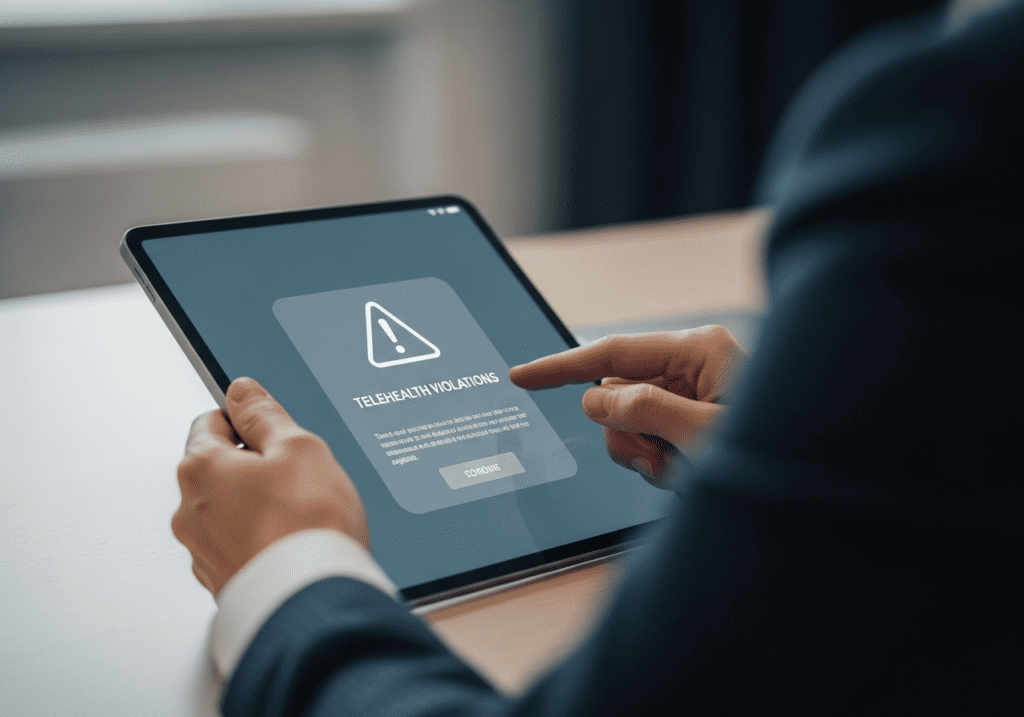
The recent legal challenges faced by Zealthy, a telehealth startup, serve as a critical reminder of the importance of compliance within the mental health sector. The Federal Trade Commission (FTC) and the Department of Justice (DOJ) are targeting Zealthy over serious allegations of telehealth violations that raise important questions about consumer protection and the integrity of telehealth practices. Mental health providers must stay aware of these developments, as they have implications for operational efficiency, patient care delivery, and regulatory compliance across various care settings.
Understanding Telehealth Violations
The allegations against Zealthy revolve around significant misconduct in telehealth that may have affected consumer rights and consumer safety. Reports suggest issues such as false customer disclosures and complications with service cancellations. These concerns highlight the necessity for mental health clinics, hospitals, therapy centres, and rehabilitation facilities to reassess their telehealth practices. As telemedicine becomes an increasingly utilized option for care delivery, understanding the legal landscape is vital.
- How are telehealth violations defined in mental health?
- What regulatory frameworks govern telehealth practices?
- Who enforces these telehealth regulations?
Providers, including clinical psychologists, PMHNPs, and LCSWs, must ensure compliance with telehealth regulations to prevent similar issues. Not only does this protect patients, but it also reinforces the integrity of the mental health profession. Patients deserve transparency and accurate information when selecting mental health services.
Consumer Protection in Telehealth
The current situation with Zealthy underscores the vulnerabilities many consumers face in the telehealth space. It prompts a closer examination of consumer protection rights regarding teletherapy and emergency support offered via telehealth platforms. Licensed mental health professionals need to maintain vigilance against telehealth misconduct to safeguard their practice and ensure quality patient care. Legal issues like those faced by Zealthy reflect broader industry trends, emphasizing the need for consumer advocacy.
- Why are consumer rights crucial in mental health services?
- What role do mental health advocates play in telehealth?
- How can providers help protect their clients from telehealth fraud?
The implications extend beyond just regulatory compliance. Ineffective communication about pricing, services, and the scope of treatment might lead to distrust and disengagement. For example, Board Certified Behavior Analysts (BCBAs) must provide clear communication around their services to foster trust in their competencies, especially when engaging clients diagnosed with Autism Spectrum Disorder.
Operational Implications for Mental Health Providers
As mental health practices continue to navigate the complexities of telehealth, several operational best practices emerge. For efficient compliance and excellent patient care, facilities can establish robust protocols to manage telehealth appointments effectively:
- Assess current telehealth technology for regulatory compliance.
- Implement training for clinical teams on consumer rights and ethical practices.
- Utilize patient feedback to refine telehealth service delivery.
Leadership in hospitals, inpatient rehabilitation facilities, and outpatient clinics must prioritize training staff, from PMHNPs to LCSWs, about the evolving legal standards. Training ensures that telehealth services remain effective and compliant, thus enhancing patient outcomes.
The Future of Telehealth in Mental Health
As legal proceedings against Zealthy continue, there is a pressing need for mental health providers to engage with evolving telehealth regulations actively. Staying informed about telehealth violations can shape future practices and enhance the overall safety of care provided. Mental health professionals have a duty to advocate for consumer rights, ensuring patients receive the highest standard of care while navigating their mental health journeys.
In conclusion, the case against Zealthy highlights the necessity for mental health providers to prioritize compliance, operational efficiency, and consumer advocacy in their telehealth offerings. At Pulivarthi Group, we specialize in connecting organizations with top-tier mental health professionals across various care settings. From clinical psychologists to psychiatrists, our expertise helps providers deliver optimal care while navigating the complexities of regulatory compliance. Let us assist you in strengthening your clinical teams amid these evolving challenges.