Understanding Financial Constraints in Canine Atopic Dermatitis Treatment
Canine atopic dermatitis is a prevalent condition affecting many dogs. Despite its commonality, the treatment of this condition often faces significant financial constraints. These limitations impact veterinary clinics, veterinarians, and the ability to provide optimal patient care. This blog explores the financial dynamics associated with treating canine atopic dermatitis, emphasizing its implications for the veterinary industry.
The Financial Burden on Veterinary Clinics
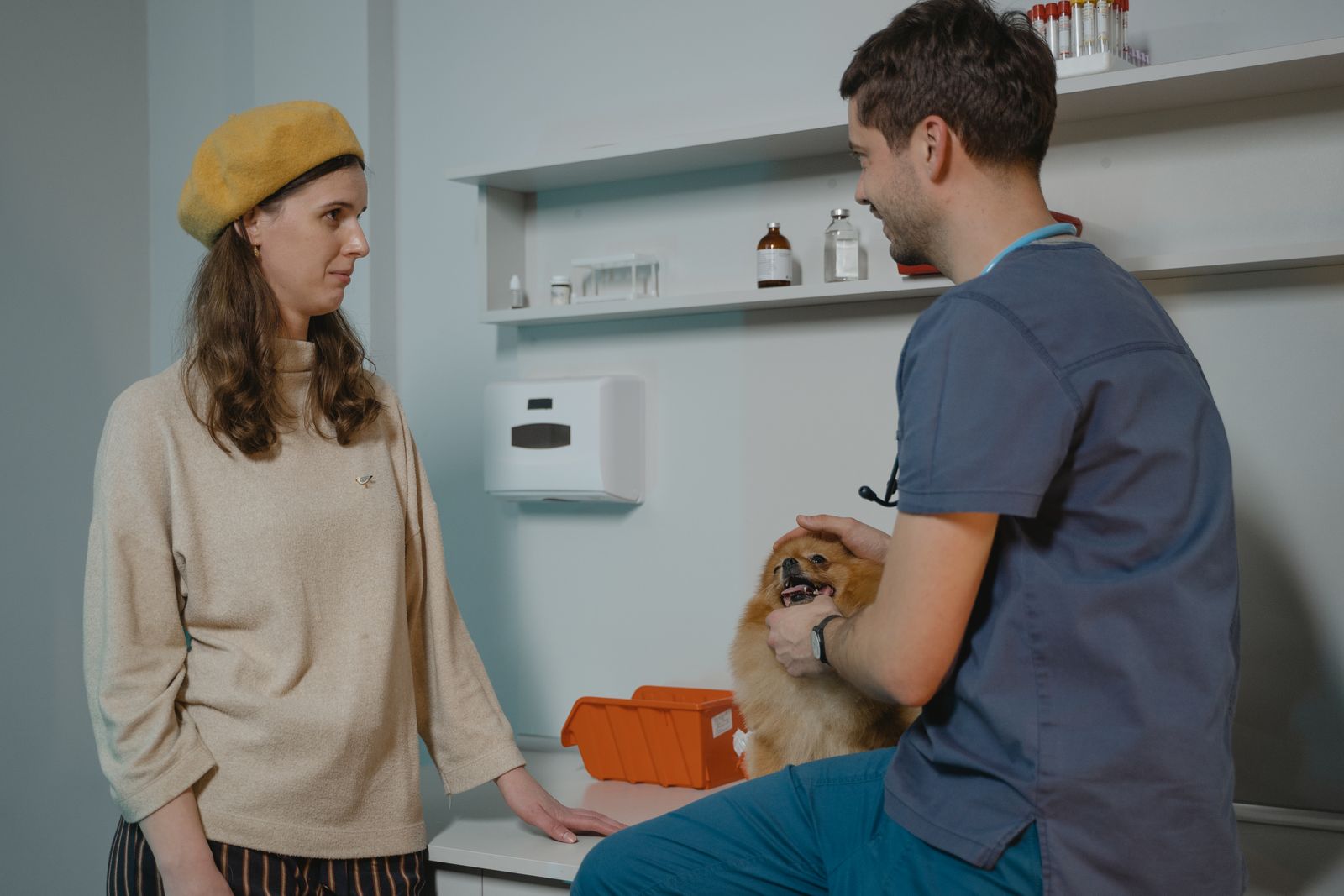
Veterinary clinics frequently face financial pressures that affect their decision-making processes. For example, the cost of therapeutic options for canine atopic dermatitis can be substantial. These costs can deter pet owners from pursuing necessary treatments, forcing veterinarians to navigate difficult conversations about affordability.
This scenario primarily impacts general practice veterinarians and an urgent care veterinarian, who often need to balance client satisfaction with financial viability. Furthermore, critical care veterinarians may struggle to justify the costs associated with intensive treatments for patients with severe cases of atopic dermatitis.
Adapting Treatment Plans to Financial Realities
Veterinarians often find it essential to adapt treatment plans based on the financial realities of their clients. Utilizing long-term management options—such as dietary adjustments or less expensive topical therapies—can be effective. However, these adaptations can compromise the quality of care provided.
For food animal veterinarians or mixed animal veterinarians, the financial constraints can differ. Costs for treating skin conditions in larger animals vary significantly. Therefore, understanding regional differences in veterinary care costs becomes crucial for effective treatment planning.
Communicating with Pet Owners
Effective communication between veterinarians and pet owners is vital. Clinicians must explain the necessity and benefits of proposed treatments while being sensitive to financial limitations. This approach is especially important for shelter veterinarians and community medicine veterinarians, who often treat clients with limited financial resources.
Moreover, involving clients in the decision-making process encourages transparency. Presenting various treatment options alongside their costs can empower pet owners. Therefore, veterinarians can help optimize outcomes despite underlying financial constraints.
The Role of Veterinary Internal Medicine Specialists
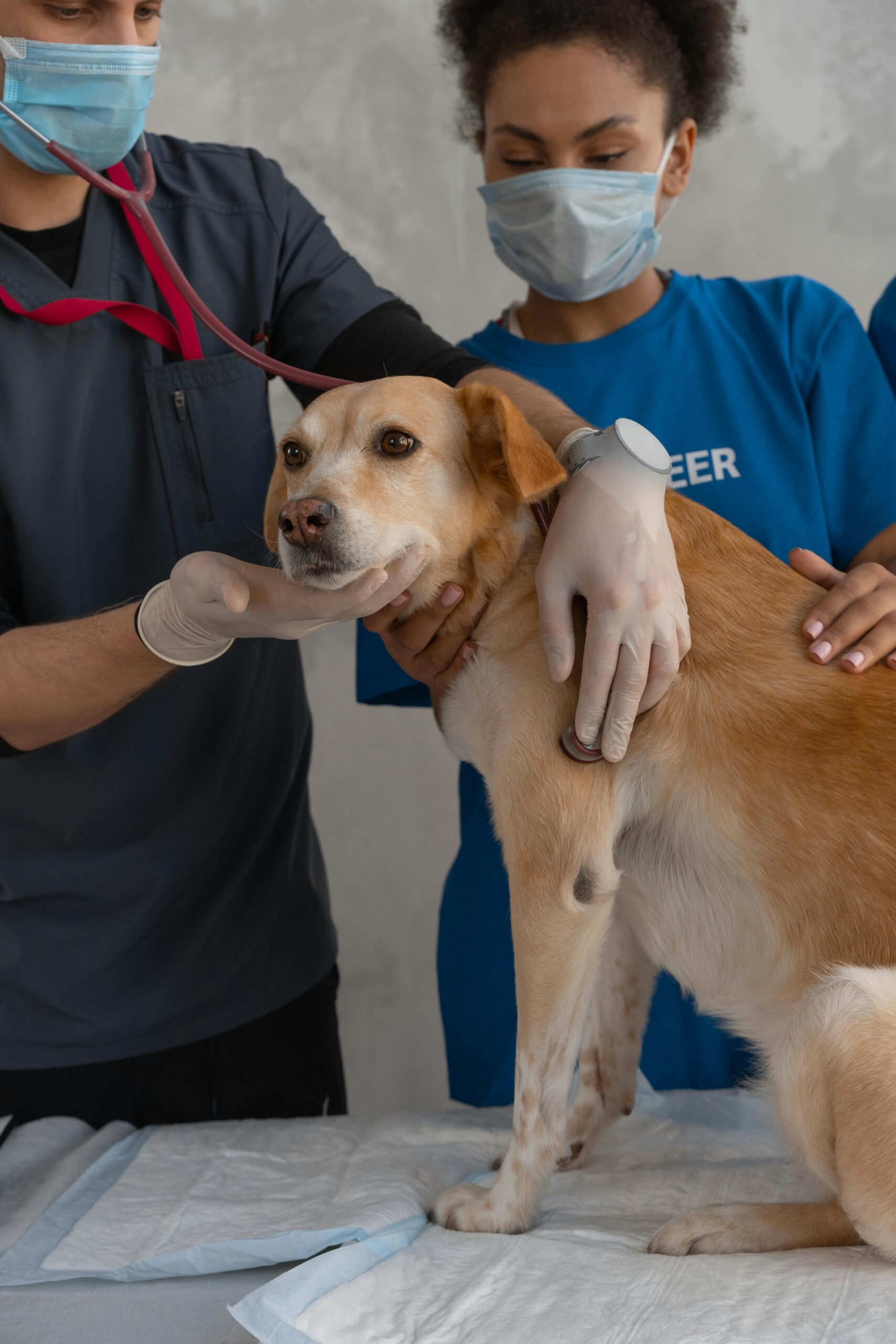
Veterinary internal medicine specialists play a critical role in managing complicated cases of canine atopic dermatitis. Their expertise can lead to effective diagnostic and treatment strategies. However, the higher costs of specialty consultations may add to the financial burden faced by clinics and pet owners.
Board-certified veterinary internal medicine specialists (DACVIM) might also encounter challenges when recommending advanced treatments. If clients cannot afford these therapies, it can lead to ethical dilemmas regarding care standards.
Strategies for Improving Financial Outcomes
To mitigate the financial challenges in treating canine atopic dermatitis, clinics can explore various strategies. Implementing payment plans can alleviate the immediate financial impact on pet owners. Additionally, pet insurance can play a crucial role in reducing costs for both clients and veterinarians.
Moreover, veterinary staff can provide educational resources about canine atopic dermatitis and its treatment options. These resources should focus on long-term management strategies that consider varying budgets.
Conclusion
Financial constraints significantly affect the treatment of canine atopic dermatitis in veterinary clinics. Navigating these challenges requires thorough communication, adaptable treatment plans, and awareness of various financial strategies. Addressing these issues is crucial for improving the quality of care provided to patients.
As veterinary clinics continue to tackle financial limitations, Pulivarthi Group serves as a reliable partner in accessing hard-to-find talent. Whether you seek an associate veterinarian, a general practice veterinarian, or a specialty role, we can help strengthen your team to better manage complex cases like canine atopic dermatitis while ensuring operational efficiency.