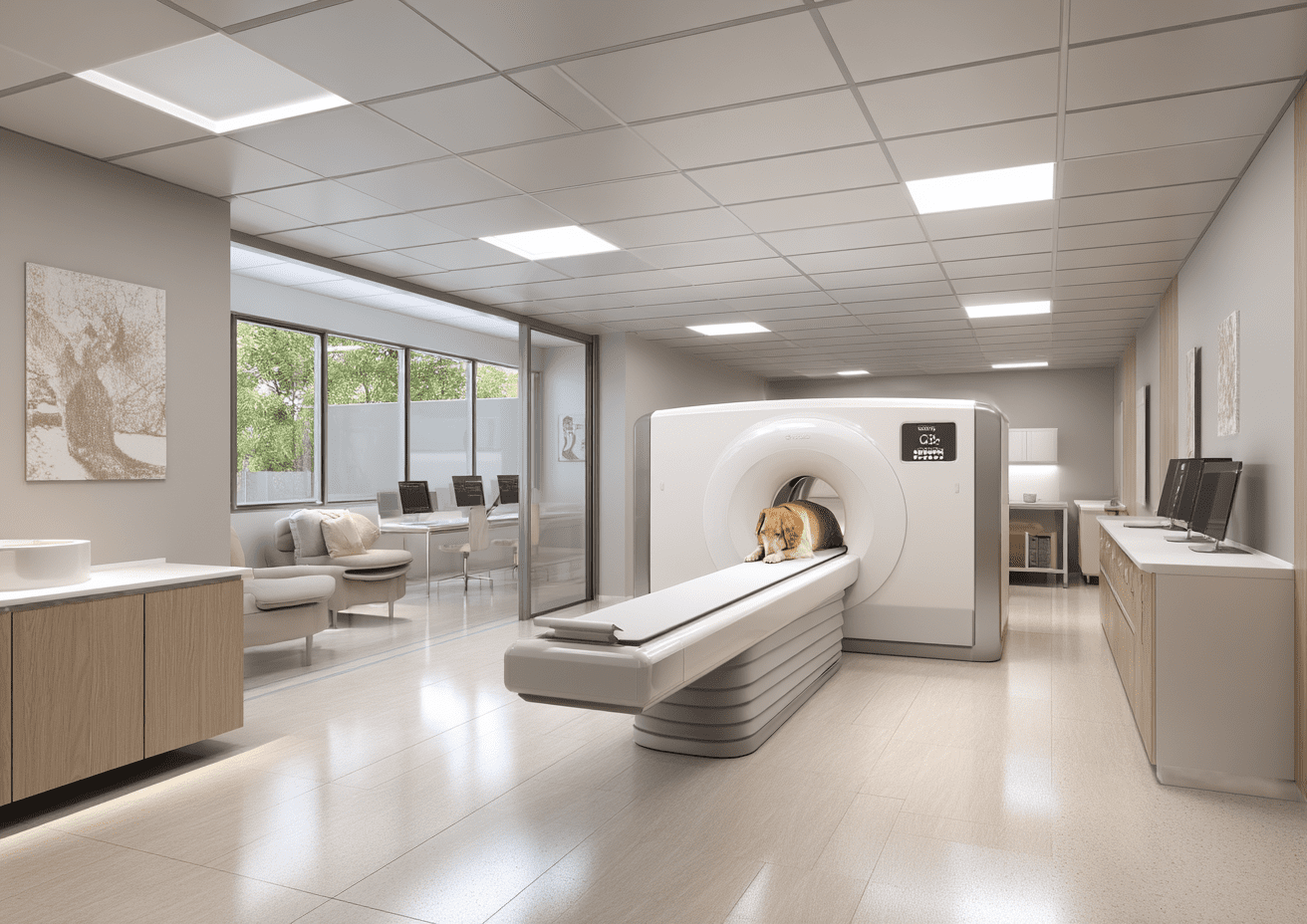
Continuing education plays a crucial role in the veterinary industry, especially in feline veterinary medicine. As practitioners face new challenges and advancements, appropriate educational resources remain vital for effective patient care. For veterinarians and clinical staff, staying updated with current trends and practices enhances their ability to provide quality services to feline patients while fostering operational efficiency within the clinic.
Understanding the Need for Continuing Education
The landscape of veterinary medicine is ever-evolving. New technologies and treatment modalities emerge regularly. This evolution demands that veterinary professionals, including associate veterinarians and specialty roles, engage in ongoing education. Furthermore, general practice veterinarians must understand the latest feline health innovations to remain competitive.
Veterinary continuing education helps bridge knowledge gaps. It keeps clinical staff informed about novel approaches, such as improved diagnostic techniques and effective treatment protocols tailored for feline patients. However, access to relevant educational resources can sometimes be a challenge.
Key Challenges in Accessing Continuing Education Resources
For many clinics, finding suitable continuing education options is daunting. Veterinarians and veterinary technicians may encounter difficulties in identifying credible programs that align with their needs. Issues such as cost, availability, and time constraints often hinder participation in valuable learning opportunities.
Additionally, roles like emergency veterinarians and critical care veterinarians may require specialized training that standard programs do not always provide. Consequently, these professionals may struggle to obtain comprehensive skills necessary for their high-stakes environments.
Innovative Solutions and Approaches
To address these challenges, clinics can leverage various resources. Online platforms offer flexibility, allowing veterinary staff to learn at their own pace while managing their busy schedules. Many organizations also provide tailored training sessions, specifically focusing on feline veterinary medicine. This targeted approach can help veterinary professionals acquire clinical knowledge relevant to their practice area.
- Participate in webinars and online courses focusing on feline health.
- Join professional organizations that offer specialized CE events.
- Utilize resources from veterinary colleges and universities.
Moreover, emergency veterinarians might benefit from simulations and workshops designed to enhance their skills in urgent decision-making. In adopting these innovative educational strategies, veterinary clinics can significantly improve the level of care provided to their feline patients.
Emerging Trends in Veterinary Continuing Education
Another aspect to consider is the trend towards blended learning models. Combining online and in-person instruction has shown effectiveness in veterinary continuing education. This format not only caters to various learning styles but also supports networking among peers, allowing for shared experiences.
Topics such as feline behavior, diagnostics, nutrition, and advanced clinical techniques can be tailored to benefit a wide range of veterinary roles. By broadening the scope of learning, clinics can enhance collaboration among associate veterinarians, specialists, and other team members.
Conclusion
In the ever-changing world of veterinary medicine, continuing education remains essential for maintaining high-quality patient care. The challenges veterinarians face in accessing educational resources underscore the need for innovative solutions. By embracing flexible learning options and targeted training programs, veterinary clinics can ensure that their teams are well-equipped to handle the complexities of feline healthcare.
At Pulivarthi Group, we understand the nuances of these educational needs. We commit ourselves to assisting clinics in finding the right talent—be it an associate veterinarian or a board-certified veterinary internal medicine specialist—to match the shifting dynamics of the veterinary landscape. By prioritizing professional development, you not only enhance clinical knowledge but also position your practice for success in this vital industry.