The recent FDA approval of veterinary amlodipine marks a significant milestone in the management of feline hypertension. This approval opens new doors for veterinarians and clinic staff, enhancing their ability to treat affected feline patients effectively. Understanding how to manage feline hypertension is crucial for veterinarians across various specialties, from general practice to emergency care. The introduction of this medication could reshape treatment protocols and encourage better patient outcomes.
Why Feline Hypertension Matters
Feline hypertension is a critical condition that often leads to severe health complications, such as kidney disease and heart failure. Affecting up to 10% of cats, many pet owners remain unaware of their pet’s condition until it’s too late. Thus, effective management is essential. Given the unique physiological characteristics of cats, traditional antihypertensive medications frequently used in humans do not suffice. Hence, the demand for a veterinary-specific drug like amlodipine has soared among practitioners.
Understanding Amlodipine’s Role
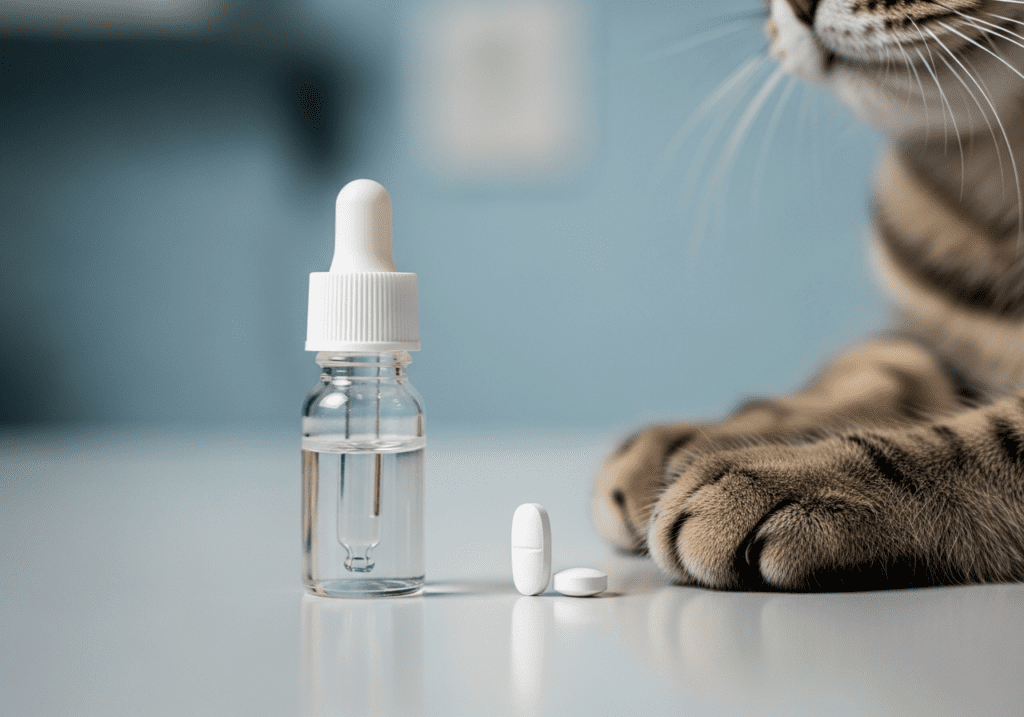
Amlodipine, a calcium channel blocker, has demonstrated success in managing hypertension in felines. With its recent approval, veterinary clinics can now utilize this drug transparently designed for cats. This essential approval allows veterinarians, including General Practice and Emergency Veterinarians, to have an effective tool for addressing elevated blood pressure, improving overall patient care.
- For Associate and General Practice Veterinarians, amlodipine offers a reliable option for routine hypertension management.
- Emergency Veterinarians can utilize the drug for immediate treatment of acute episodes.
- Critical Care Veterinarians will benefit from precise dosing tailored to individual patient needs.
Challenges in Managing Feline Hypertension
Veterinarians often face various challenges when dealing with feline hypertension. Firstly, many cats exhibit minimal to no symptoms until the disease progresses. Therefore, annual wellness exams must include hypertension screening for risk assessment. Secondly, the treatment plan must account for underlying conditions, such as chronic kidney disease. This may complicate the treatment but highlights the need for board-certified specialists in Internal Medicine.
Strategies for Effective Implementation
Incorporating veterinary amlodipine into treatment protocols involves the following strategies:
- Educate all clinical staff about hypertension screening protocols.
- Use concrete examples, like case studies of successfully managed patients.
- Develop personalized treatment plans that consider concurrent health issues.
- Encourage regular follow-up appointments to monitor blood pressure response.
Staying Ahead: Trends in Veterinary Medicine
As veterinary practices evolve, staying informed about new medications is critical. The approval of veterinary amlodipine not only benefits patients but also provides a competitive edge for clinics. Those who leverage this knowledge can improve operational efficiency. By adopting new treatments, clinics attract and retain clients while promoting better health outcomes.
Veterinary Internal Medicine Specialists will play a crucial role by guiding treatment options, utilizing their expertise to tailor approaches for various feline patients. Also, Mixed Animal and Food Animal Veterinarians can integrate the knowledge of hypertension management into their practices, expanding their service offerings.
Conclusion
The FDA’s recent approval of veterinary amlodipine is a game-changer in managing feline hypertension. By embracing this new treatment, veterinary clinics can enhance patient care and operational efficiencies. Collaboration among all practitioners— from General Practice to board-certified specialists—fosters an integrative approach to hypertension management. Pulivarthi Group stands ready to assist veterinary clinics in accessing highly qualified professionals, including Associate Veterinarians, Emergency Veterinarians, and specialists in Internal Medicine. Together, we can drive improvements in pet health management and ensure the highest standards of care for our feline patients.