The recent approval of stem cell therapy for feline osteoarthritis by the FDA brings a wave of optimism to veterinary clinics across the United States. This advancement addresses the long-standing challenge of providing effective treatment options for feline patients suffering from osteoarthritis. Associate veterinarians and clinical staff now have a promising new therapy to consider for their feline patients, enhancing their ability to restore mobility and comfort in cases where traditional medications may fall short.
Understanding Feline Osteoarthritis
Feline osteoarthritis is a common yet often underdiagnosed condition. It affects the quality of life for many cats, leading to pain and decreased mobility. Unfortunately, treatment options have historically been limited. Traditional medications like NSAIDs sometimes come with undesirable side effects. The approval of stem cell therapy opens new pathways. This regenerative medicine approach harnesses the body’s own cells to repair damaged tissues and alleviate pain.
The Role of Stem Cell Therapy
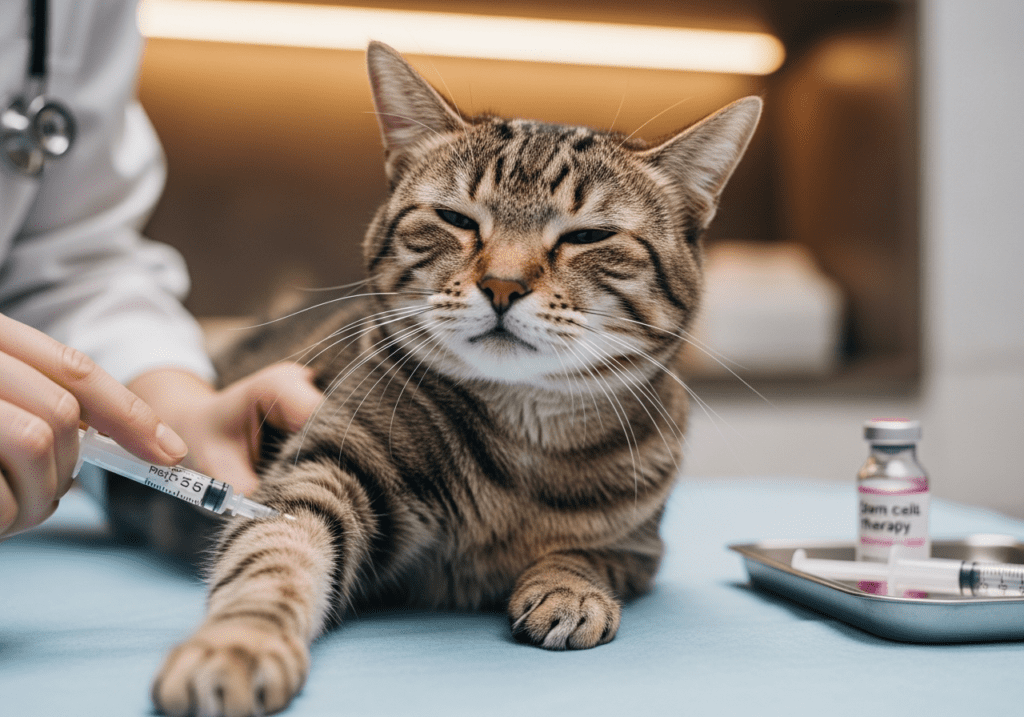
Stem cell therapy represents a significant advancement in the treatment of feline osteoarthritis. This therapy involves isolating stem cells from the cat’s own body, usually from fat tissue, and injecting them into affected joints. The stem cells then undergo a transformation, helping to mitigate inflammation and promote healing. For instance, studies show that cats receiving stem cell therapy exhibit improved mobility and a reduction in pain levels, which can dramatically enhance their quality of life.
Clinical Implications for Veterinary Practices
As veterinary clinics consider integrating stem cell therapy into their offering, understanding its implications is crucial. For general practice veterinarians, providing this treatment can lead to increased client satisfaction. Urgent and emergency veterinarians may find it particularly valuable in acute cases, where rapid relief is necessary. Implementing new treatment modalities often requires staff training, procedure adjustments, and client education on managing expectations.
Addressing Common Concerns in Practice
Veterinary staff may have questions regarding the logistics of stem cell therapy. Who should handle the procedures? What protocols need to be in place? These concerns should be addressed through continued education and training. Establishing clear protocols ensures that veterinarians and their teams feel confident in the treatment’s application. In addition, collaborating with a specialized veterinary internal medicine specialist can provide invaluable insights.
Future Trends in Veterinary Medicine
The approval of stem cell therapy is just one piece of the rapidly evolving landscape of veterinary medicine. As research progresses, we may see even more innovative therapies emerge. The veterinary workforce will need to adapt, continuously learning about these advancements to provide the best care possible. Furthermore, understanding how to communicate these options effectively to pet owners will play a critical role in practice success.
Conclusion
The FDA’s approval of stem cell therapy for feline osteoarthritis signifies a turning point in veterinary care, offering new hope to cats and their owners. As this therapy gains traction in veterinary clinics, practices must prepare to embrace these advancements. Pulivarthi Group stands ready to support veterinary clinics in this transition. By providing access to skilled professionals, including associate veterinarians and specialists, we enable practices to enhance their capabilities and offer cutting-edge treatments like stem cell therapy. Together, we can create a future where feline patients enjoy improved health and wellbeing.