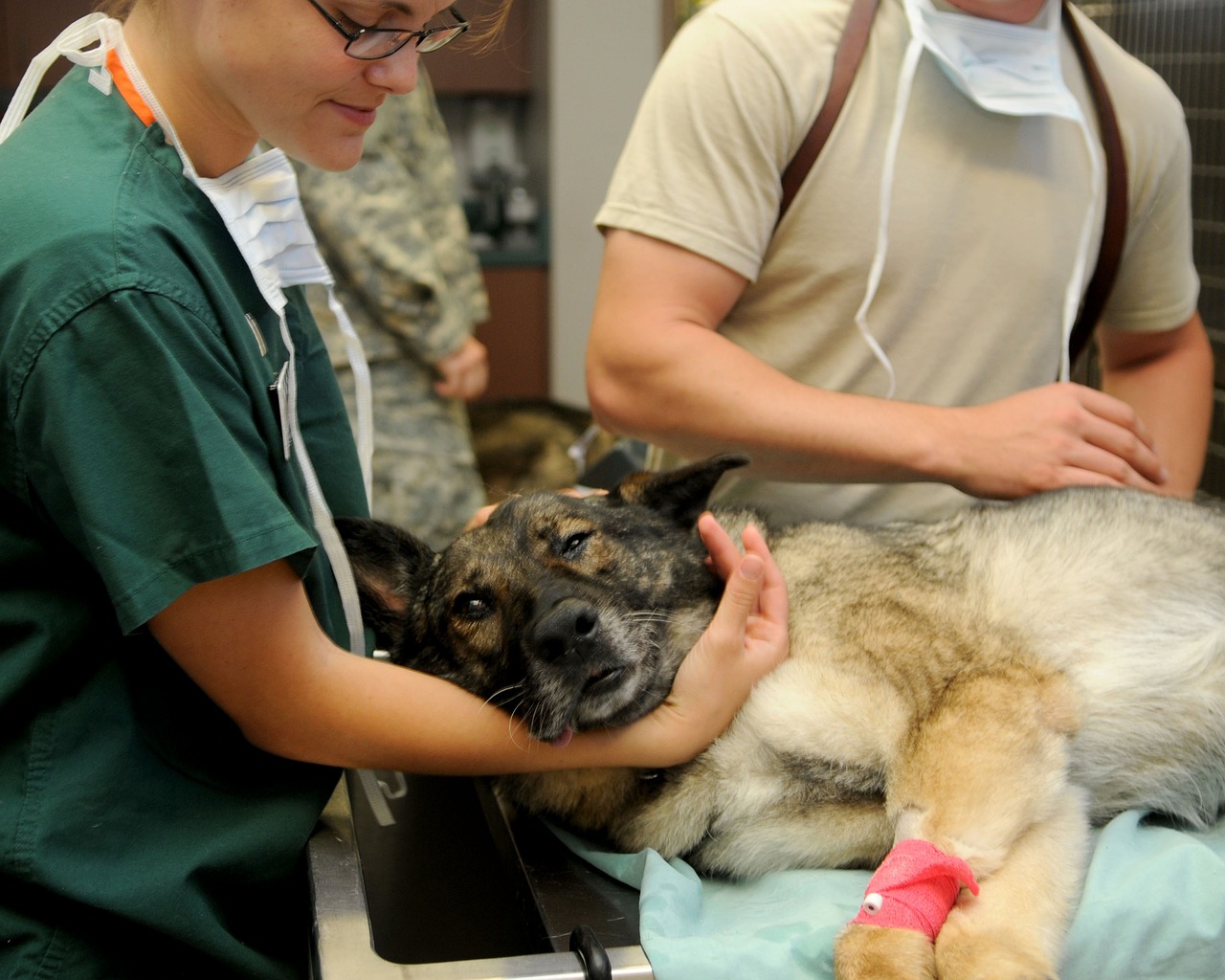
As veterinary clinics adapt to the ever-evolving landscape of animal healthcare, team-based veterinary care emerges as a critical strategy to enhance operational efficiency and patient outcomes. This approach not only optimizes the utilization of resources but also fosters improved collaboration among veterinary staff. In light of pressing challenges today, such as the integration of telehealth in veterinary practices, understanding the dynamics of team-based care is essential for practice owners, veterinarians, and clinical staff alike.
Why Team-Based Care Matters for Veterinary Clinics
In the veterinary field, providing comprehensive care requires the expertise of various professionals, including general practice veterinarians, emergency veterinarians, and veterinary internal medicine specialists. Team-based care enhances collaboration, leading to better patient management. For example, when an urgent care veterinarian collaborates with a specialist, they can ensure that critical information flows seamlessly, allowing for timely interventions. This integrated approach becomes especially relevant as telehealth capabilities expand in veterinary practices.
Current Challenges in Integrating Telehealth
Veterinary practices today face numerous challenges, especially with incorporating telehealth. Many clinics struggle with the logistics of virtual consultations, including technology adoption and client education. Urgent care veterinarians, for instance, often need to provide immediate assessments, which can be difficult to convey solely through telehealth. Furthermore, ensuring regulatory compliance with telehealth in veterinary medicine can add complexity to clinics. Addressing these challenges requires a well-coordinated team that understands available resources and workflows.
- Training staff on telehealth platforms to enhance usability.
- Establishing clear protocols for handling virtual visits.
- Developing a communication plan to inform clients about the benefits of telehealth.
Effective Implementation of Team-Based Veterinary Care
Implementing a team-based practice model can significantly improve patient care and client satisfaction. When veterinarians, including mixed animal and food animal veterinarians, work closely with technician teams, they can create more efficient workflows. For instance, by delegating routine tasks to veterinary technicians, associate veterinarians can focus on diagnostics and treatment plans. This not only enhances job satisfaction for all team members but also improves overall clinic efficiency.
Real-World Examples of Success
Several veterinary clinics have successfully adopted a team-based approach, resulting in remarkable improvements. For example, a shelter veterinarian partnering with community medicine veterinarians found that by sharing resources and expertise, they could provide a more comprehensive safety net for at-risk animals. This collaboration resulted in increased adoption rates and better health outcomes. Therefore, identifying potential partnerships within a clinic or across organizations can significantly enhance veterinary care delivery.
Conclusion
In conclusion, embracing team-based veterinary care not only addresses operational challenges but also enhances patient outcomes and client satisfaction. As veterinary clinics navigate the integration of telehealth, it becomes essential for clinical teams to collaborate effectively to optimize care delivery. Pulivarthi Group stands ready to assist veterinary clinics in this transition, offering access to specialized talent across various roles such as associate veterinarians, emergency veterinarians, and veterinary internal medicine specialists. Partnering with the right professionals can make a significant difference in establishing a supportive, efficient veterinary care environment.