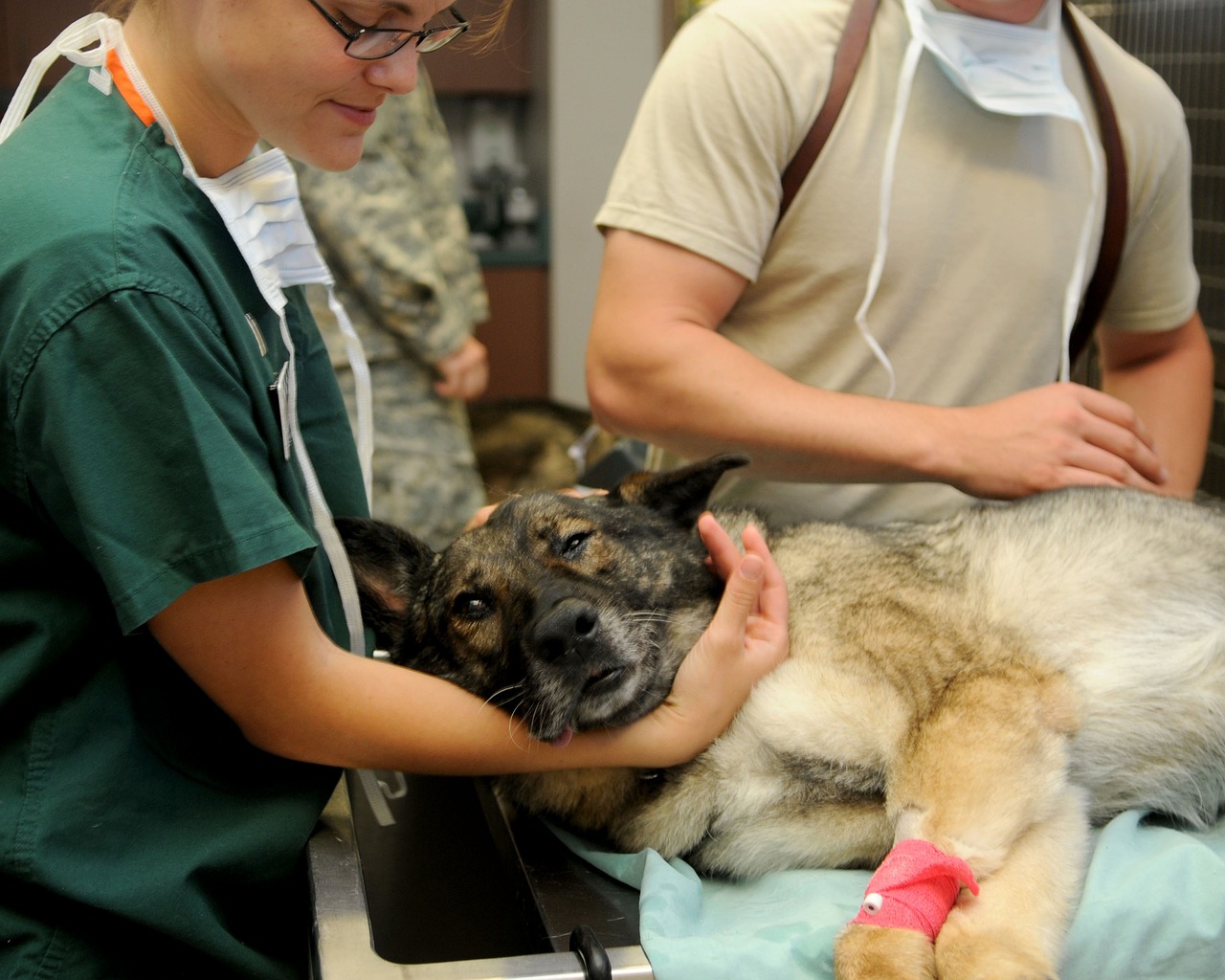
The veterinary industry is rapidly evolving, driven by innovations that enhance patient care. These veterinary innovations not only improve the quality of care but also streamline clinic operations. For veterinary clinics to remain competitive, it is essential to stay on top of these advancements. This article explores recent innovations in veterinary care and their implications for both patient outcomes and clinic management. As veterinarians seek to provide the best possible service to their patients, emerging veterinary technologies for animals play a crucial role in improving diagnostic accuracy and treatment efficiency. These technologies can include advancements in telemedicine, wearable health monitors, and AI-driven diagnostic tools that allow for real-time monitoring of animal health. By embracing these innovations, veterinary practices can enhance their service offerings and ultimately contribute to better health outcomes for their animal patients. This shift is largely attributed to advancements in animal healthcare technology, which include telemedicine, AI diagnostics, and improved surgical tools. These developments facilitate more accurate assessments and treatments, ultimately leading to healthier animal populations. As clinics adopt these technologies, they not only enhance their service offerings but also improve client satisfaction and retention rates.
Telehealth: Bridging Gaps in Animal Care
Telehealth has emerged as one of the most transformative innovations in veterinary care. With the ability to conduct virtual consultations, veterinarians can assess and follow up on pet health without requiring the owner’s physical presence. This flexibility is particularly beneficial for general practice veterinarians and urgent care veterinarians, allowing them to manage cases that do not necessitate in-person evaluations.
- Increases accessibility for pet owners.
- Reduces the burden on clinic staff.
- Facilitates timely intervention for urgent care cases.
However, clinics must navigate challenges related to legal regulations and equipment. Therefore, developing protocols and investing in training are essential steps clinics must take to integrate telehealth into their practice.
Artificial Intelligence in Diagnostics
Artificial Intelligence (AI) is making notable strides in diagnostics within veterinary clinics. AI tools can quickly analyze data from medical imaging or lab results, facilitating an accurate diagnosis much faster than traditional methods. This innovation is especially advantageous for veterinary internal medicine specialists and emergency veterinarians.
- Enhances diagnostic accuracy.
- Streamlines the workflow for clinical staff.
- Reduces the potential for human error.
Implementing AI requires initial investment in technology and staff training. However, the long-term benefits far outweigh these costs. Clinics can expect faster turnaround times and improved patient care, leading to higher client satisfaction.
Wearable Health Technology for Pets
Wearable technology, such as GPS collars and health monitors, are revolutionizing how veterinarians monitor animal health. These devices help mixed animal veterinarians and community medicine veterinarians track activity levels and vital signs in real-time. Incorporating this technology into practice allows for proactive veterinary care and improved client engagement. Further developments in the field have led to exciting advancements in pet medical devices, enabling more accurate diagnostics and treatment options. As these innovations continue to emerge, they will empower veterinarians to provide tailored care that enhances the well-being of pets. This evolution not only benefits the animals but also strengthens the bond between pets and their owners, fostering a healthier, happier environment. The evolution of veterinary care is further enhanced by innovative surgical tools for veterinarians, which streamline procedures and improve outcomes for animal patients. These advancements not only increase efficiency in surgeries but also ensure higher precision, leading to quicker recovery times. As the veterinary field embraces these innovations, practitioners are better equipped to provide comprehensive care that meets the diverse needs of their patients.
- Enables real-time health monitoring.
- Increases proactive health management.
- Enhances communication with pet owners.
Veterinary clinics should consider promoting these technologies to pet owners as part of preventive care. Educating clients about the benefits of wearable devices can foster stronger relationships and healthier pets. The advancements in pet diagnostics technology also enable early detection of health issues, allowing for timely interventions that can save lives. By incorporating these tools into routine check-ups, veterinarians can provide more comprehensive care and enhance the overall pet ownership experience. This proactive approach not only benefits the animals but also empowers pet owners with valuable insights into their pets’ well-being.
Expanding Roles and Specializations
The veterinary profession is witnessing an increase in specialized roles. This trend emphasizes the importance of board-certified veterinary internal medicine specialists. Emergency veterinarians and critical care veterinarians are also in high demand, particularly with the growing complexity of cases.
- Developing targeted training programs for staff.
- Fostering collaboration between specialists and general practitioners.
- Adapting clinic operations to accommodate specialization.
To maximize operational efficiency, practice owners and managers should adopt strategies to integrate specialists into their teams. This collaboration can enhance patient care and broaden the clinic’s service offerings.
Conclusion
Innovations in veterinary care are fundamentally changing the landscape of animal health. By understanding and implementing these advancements, veterinary clinics can enhance patient care and improve operational efficiency. Pulivarthi Group stands as a valuable partner in this journey, helping veterinary clinics access hard-to-find talent across diverse roles, including Associate Veterinarian, Emergency Veterinarian, and Veterinary Internal Medicine Specialist. By bridging talent gaps, Pulivarthi Group supports veterinary practices in adapting to the evolving demands of the industry. telehealth advancements in veterinary care are enabling remote consultations, allowing veterinarians to assess and treat patients from the comfort of their homes. This not only minimizes stress for animals but also increases accessibility for pet owners who may face barriers to in-person visits. As these technologies continue to evolve, the integration of telehealth solutions will be crucial for enhancing the overall effectiveness of veterinary practices. As these innovations in veterinary medicine continue to evolve, they pave the way for more accurate diagnostics and tailored treatment plans for pets. Additionally, advancements in telemedicine are allowing veterinary professionals to connect with pet owners more effectively, enhancing the overall care experience. Embracing these changes ensures that veterinary clinics remain at the forefront of animal healthcare and are well-equipped to meet the needs of their patients.