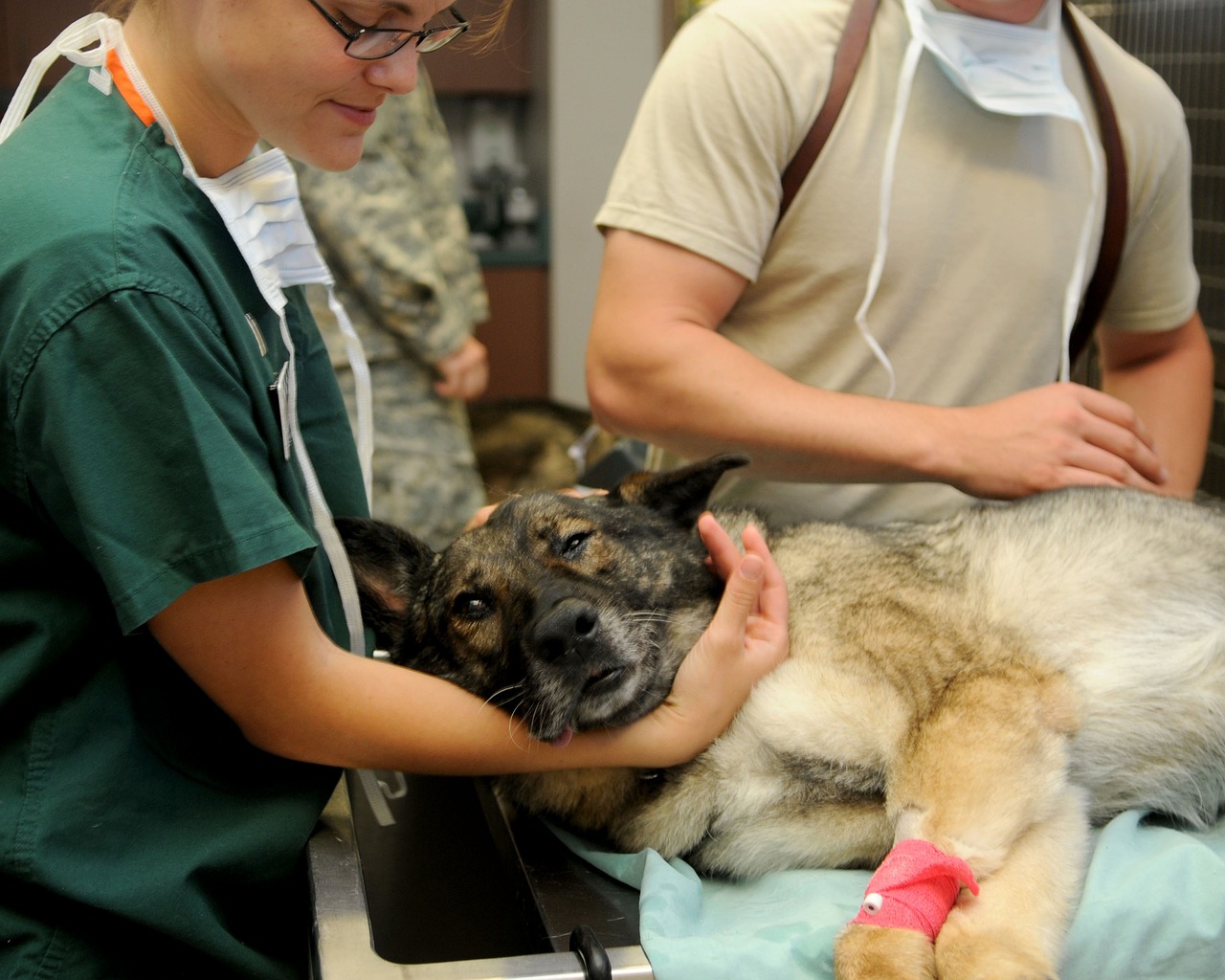
In the rapidly evolving veterinary field, veterinary innovations play a crucial role in enhancing animal health. As clinics adapt to new technologies and processes, they find opportunities to improve operational efficiency and overall patient care. This blog explores key advancements in veterinary health practices and their implications for clinical teams and practice owners.
Technological Advancements in Veterinary Clinics
The integration of new veterinary technologies represents a significant opportunity for clinics. For example, telemedicine has become increasingly popular, allowing veterinarians to conduct consultations remotely. This method can especially benefit urgent care veterinarians, as it enables timely advice for pet owners without necessitating physical visits.
Moreover, digital imaging technologies like ultrasound and MRI have revolutionized diagnostic capabilities. These innovations allow veterinarians, including specialists such as veterinary internal medicine specialists, to detect conditions earlier and more accurately, improving treatment outcomes. Practices must evaluate and invest in such technologies to remain competitive.
Improving Patient Outcomes Through Data Analytics
Data analytics tools are increasingly essential in the veterinary field. By utilizing data, clinics can track patient health outcomes and treatment efficacy. For instance, clinics focusing on community medicine can analyze local disease trends and adjust their preventive measures accordingly. This not only enhances patient care but also increases client trust in the clinic’s expertise.
Additionally, associate veterinarians and general practice veterinarians can benefit from data-driven insights that improve their daily workflows. By understanding common health issues faced by their patients, veterinarians can proactively educate pet owners and tailor treatment plans effectively.
Addressing Operational Challenges in Veterinary Practices
Despite the advancements, integrating new veterinary technologies often comes with challenges. One major issue is ensuring that all staff members are adequately trained to use new systems. This is particularly relevant for mixed animal veterinarians, who may have to navigate multiple environments, from clinics to farms.
Moreover, establishing efficient workflows is crucial. For example, emergency veterinarians must streamline processes to handle high-stress situations effectively. Implementing standardized procedures can reduce errors and enhance patient care during critical moments.
The Future of Veterinary Medicine
Looking ahead, the veterinary industry is set to embrace even more innovations, particularly in areas like artificial intelligence and improved diagnostic tools. AI can help predict illness patterns, enabling veterinarians to take preventative measures early. This trend is particularly significant for those specializing in food animal medicine, where early intervention can have a profound impact on both animal welfare and agricultural productivity.
Furthermore, as clinical staff members face increasing workloads, innovations that automate routine tasks will become indispensable. Shelter veterinarians and community medicine veterinarians can particularly benefit from tools that streamline administrative tasks, allowing them to dedicate more time to direct patient care.
Conclusion
In conclusion, the veterinary field is undergoing a substantial transformation driven by veterinary innovations. As clinics adopt new technologies and data analytics, they can significantly enhance animal health outcomes while overcoming operational challenges. For businesses seeking to navigate these changes, Pulivarthi Group stands ready to assist. We connect veterinary clinics with skilled professionals across a variety of roles, including Associate Veterinarians, Urgent Care Veterinarians, and Board-Certified Veterinary Internal Medicine Specialists (DACVIM). Together, we can prepare for a promising future in veterinary medicine, ensuring that clinics can meet the dynamic needs of the industry.