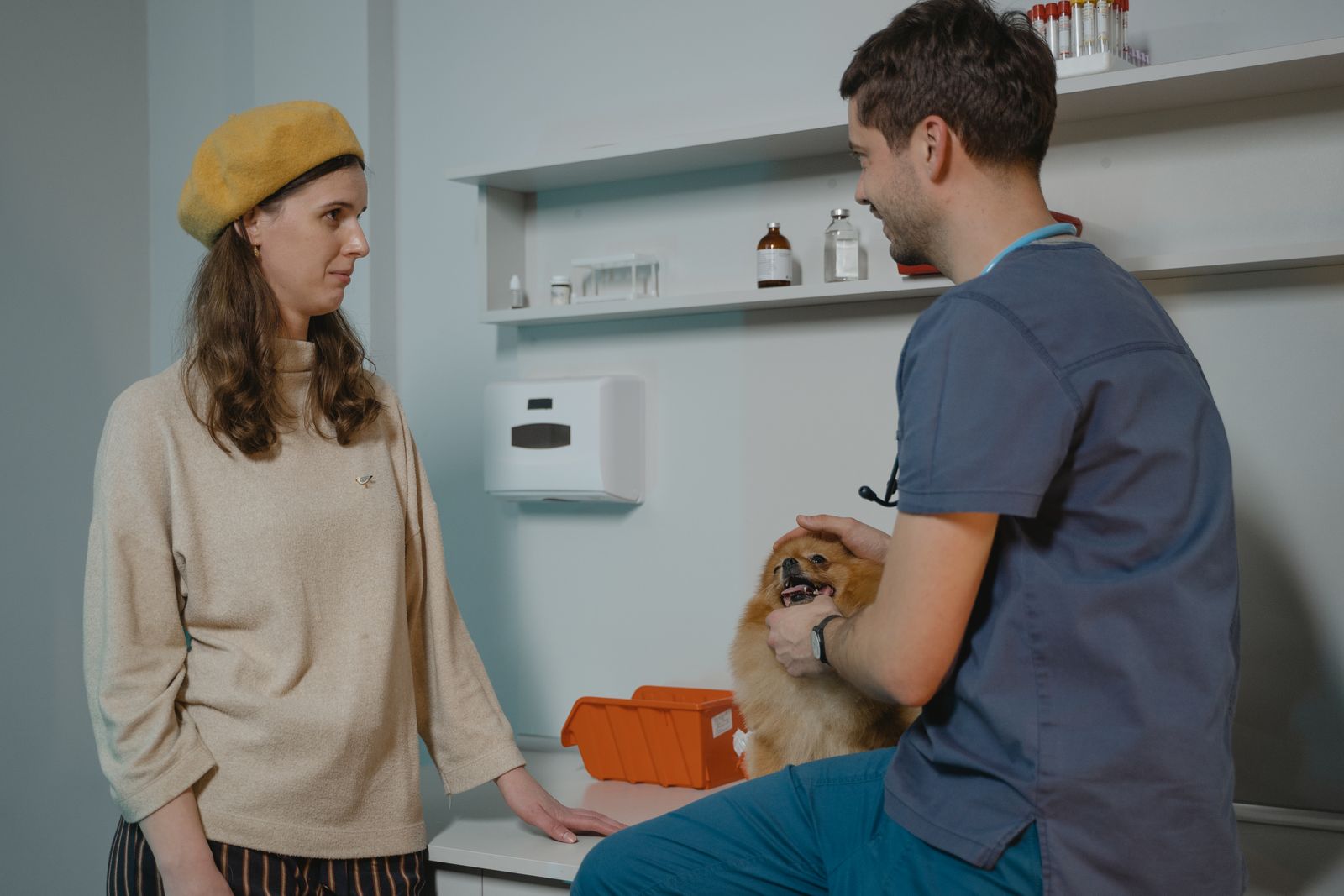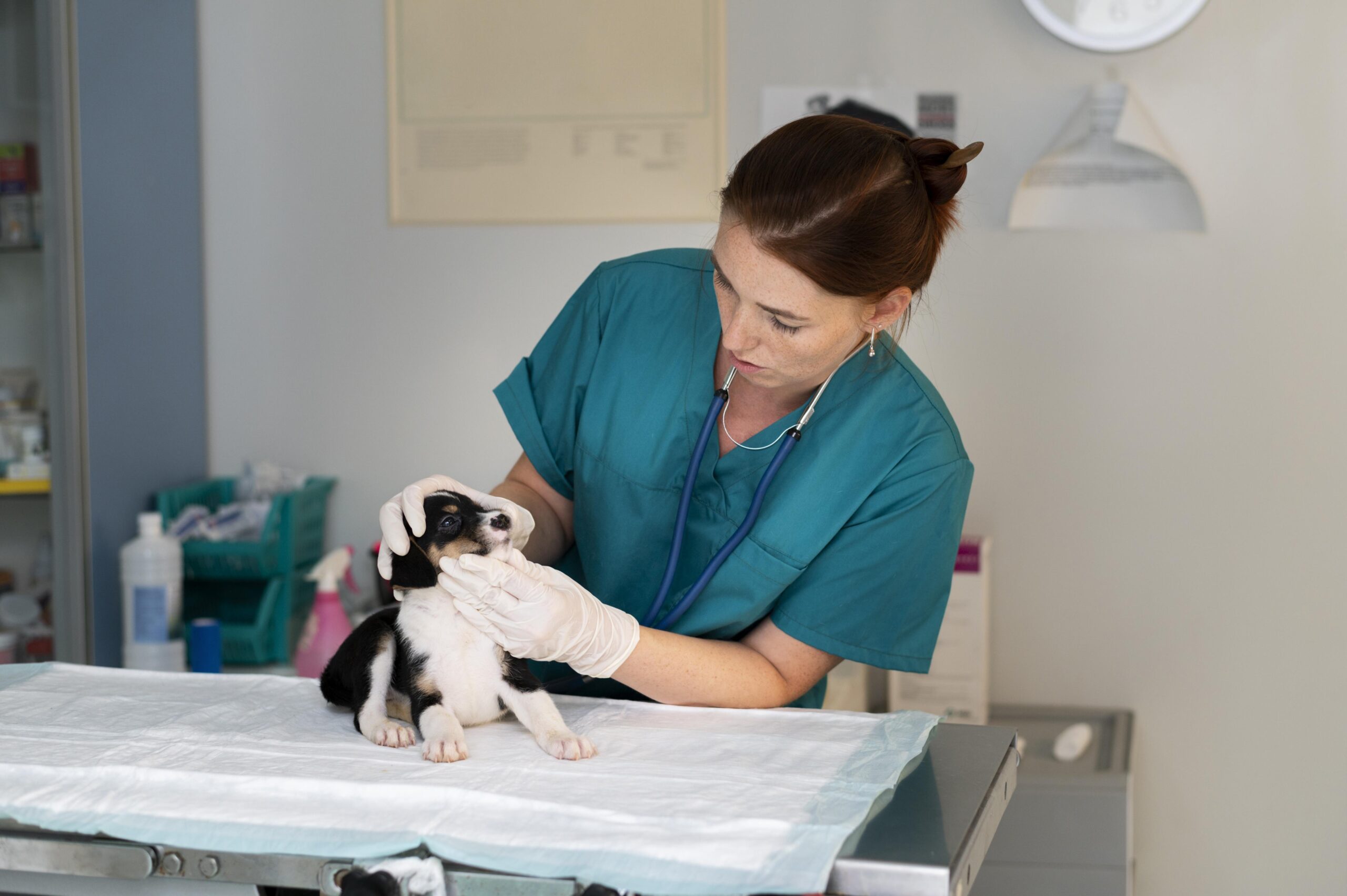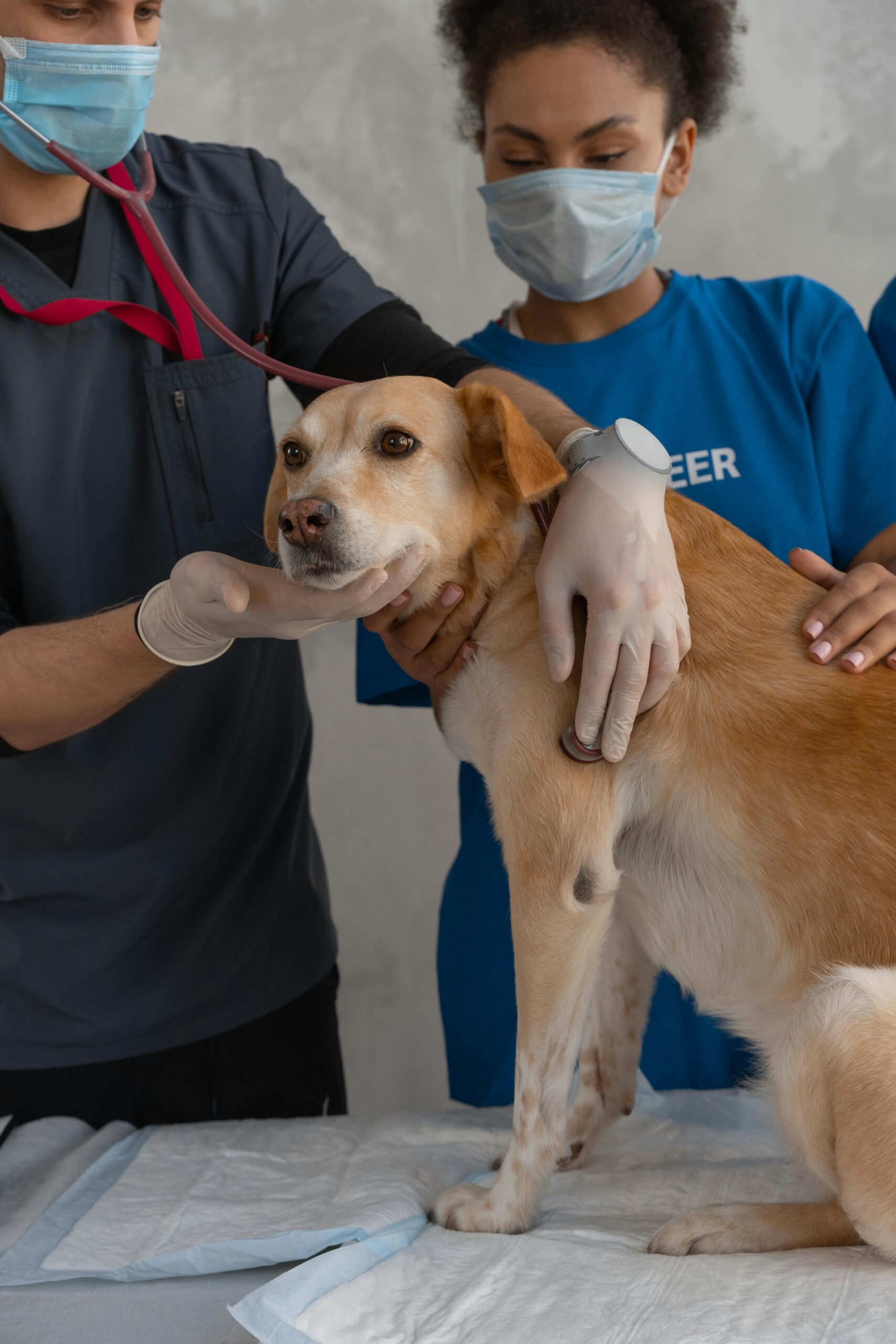
The veterinary industry faces numerous challenges, especially concerning advancements in veterinary medicine and animal welfare. Keeping up with these veterinary advancements is crucial for clinics seeking to enhance patient care while maintaining operational efficiency. This blog will delve into the innovative practices that are shaping the future of veterinary medicine and address the key challenges clinics must navigate.
Understanding the Current Landscape of Veterinary Medicine
Veterinary clinics worldwide are increasingly adopting innovative technologies and practices. These advancements curate improved patient care through better diagnostics, treatments, and preventive measures. However, various barriers remain, stemming from staffing shortages to financial limitations that hinder the implementation of these vital innovations.
For instance, general practice veterinarians often encounter limitations in resources, which inhibit their ability to offer cutting-edge treatments. Urgent care veterinarians may struggle with patient overflow, affecting the quality of care. These scenarios underscore the importance of strategic planning for veterinary practices to maintain high standards of animal welfare.
Technological Advancements in Veterinary Practices
Technology plays a pivotal role in advancing veterinary medicine. Tools such as telemedicine and electronic health records help veterinarians streamline their practice operations. In addition, innovations in diagnostic imaging, like MRI and CT scans, provide deeper insights into animal health.
Moreover, this shift towards digital solutions allows mixed animal and food animal veterinarians to maximize their time and focus on patient care. Clinics utilizing these technologies experience enhanced operational efficiency, ultimately improving animal welfare.
Addressing the Challenges in Veterinary Healthcare Delivery
Despite these advancements, veterinary clinics face challenges that threaten healthcare delivery. Staffing issues persist across various roles, including associate veterinarians and critical care veterinarians. High turnover rates compounded with the ongoing shortage of qualified staff create a precarious situation for clinics attempting to meet the demands of their patients.
Additionally, emergency veterinarians regularly face burnout due to prolonged hours and emotional strain from dealing with critical cases. This situation emphasizes the necessity for supportive work environments and effective workforce strategies tailored to maintain a resilient and committed clinical team.
Future Trends Affecting Veterinary Clinics
Looking ahead, several trends will shape the landscape of veterinary medicine. The integration of artificial intelligence in diagnostics promises to enhance accuracy and speed in identifying health issues. Furthermore, public awareness surrounding animal welfare continues to grow, pressuring clinics to adopt more humane practices.
In response, community medicine veterinarians can play a crucial role by educating pet owners and promoting responsible pet ownership. As these future trends unfold, it is vital for clinics to remain adaptable and receptive to change.
Implications for Veterinary Practice Owners and Managers
Veterinary practice owners and managers must prioritize staff retention and satisfaction to overcome workforce challenges. Investing in ongoing training ensures that employees remain engaged and skilled. Implementing mentorship programs for newly hired veterinarians can also create a supportive environment conducive to professional growth.
Furthermore, developing a proactive strategy to integrate technological advancements into daily operations can lead to significant improvements. This includes evaluating the cost-benefit aspect of new tools and methods while keeping the focus on enhancing animal welfare through improved patient care.
Conclusion
The veterinary industry stands on the cusp of significant advancements that have the potential to transform patient care and animal welfare. By understanding and addressing the key challenges presented, veterinary clinics can position themselves favorably in an evolving landscape. As clinics pursue these innovations, partnering with a reputable staffing agency such as Pulivarthi Group can be invaluable. Access to highly skilled professionals like veterinary internal medicine specialists and urgent care veterinarians helps clinics meet their staffing needs and enhances overall operational efficiency. Embracing these veterinary advancements is not just a choice; it is imperative for the future of animal care.