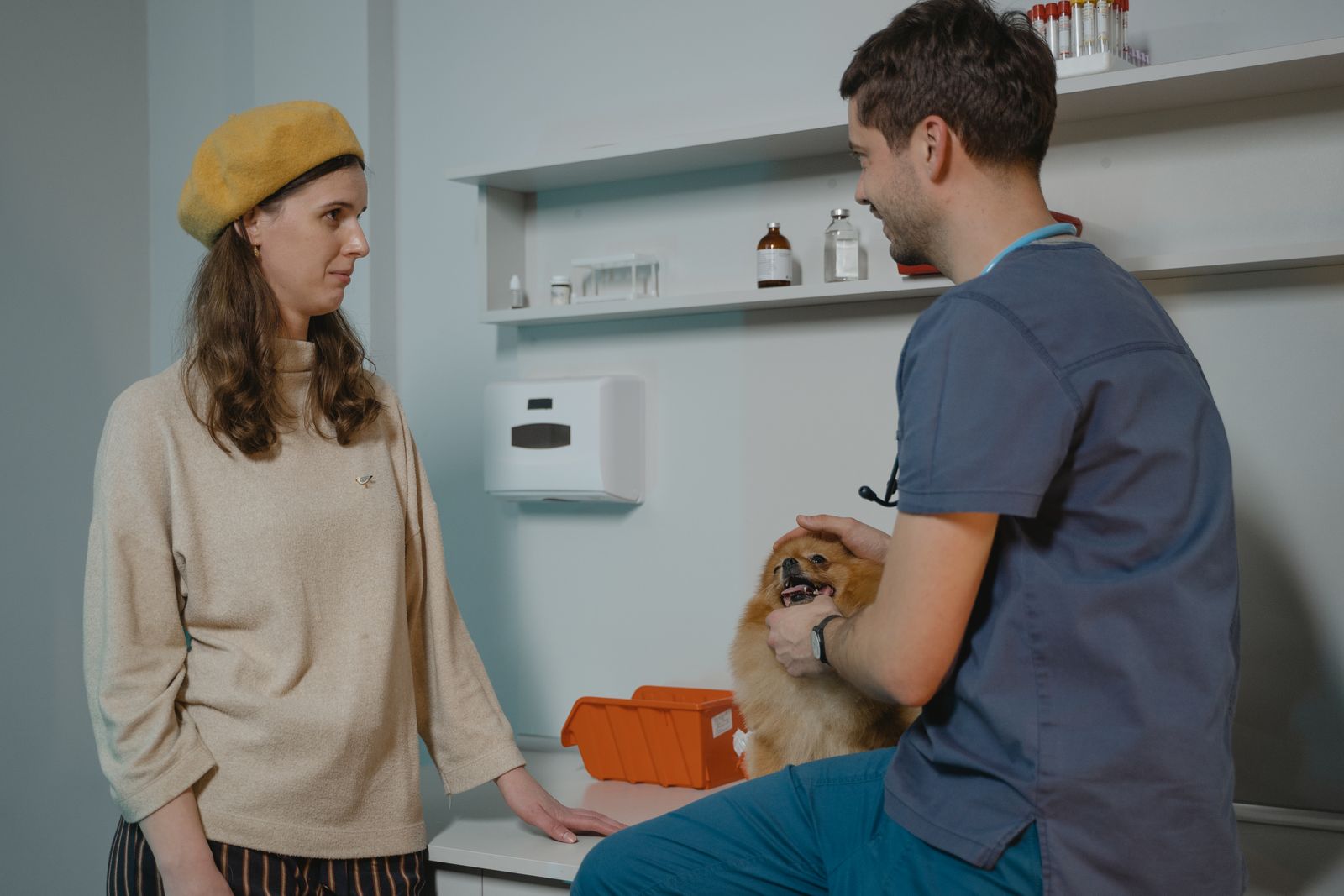
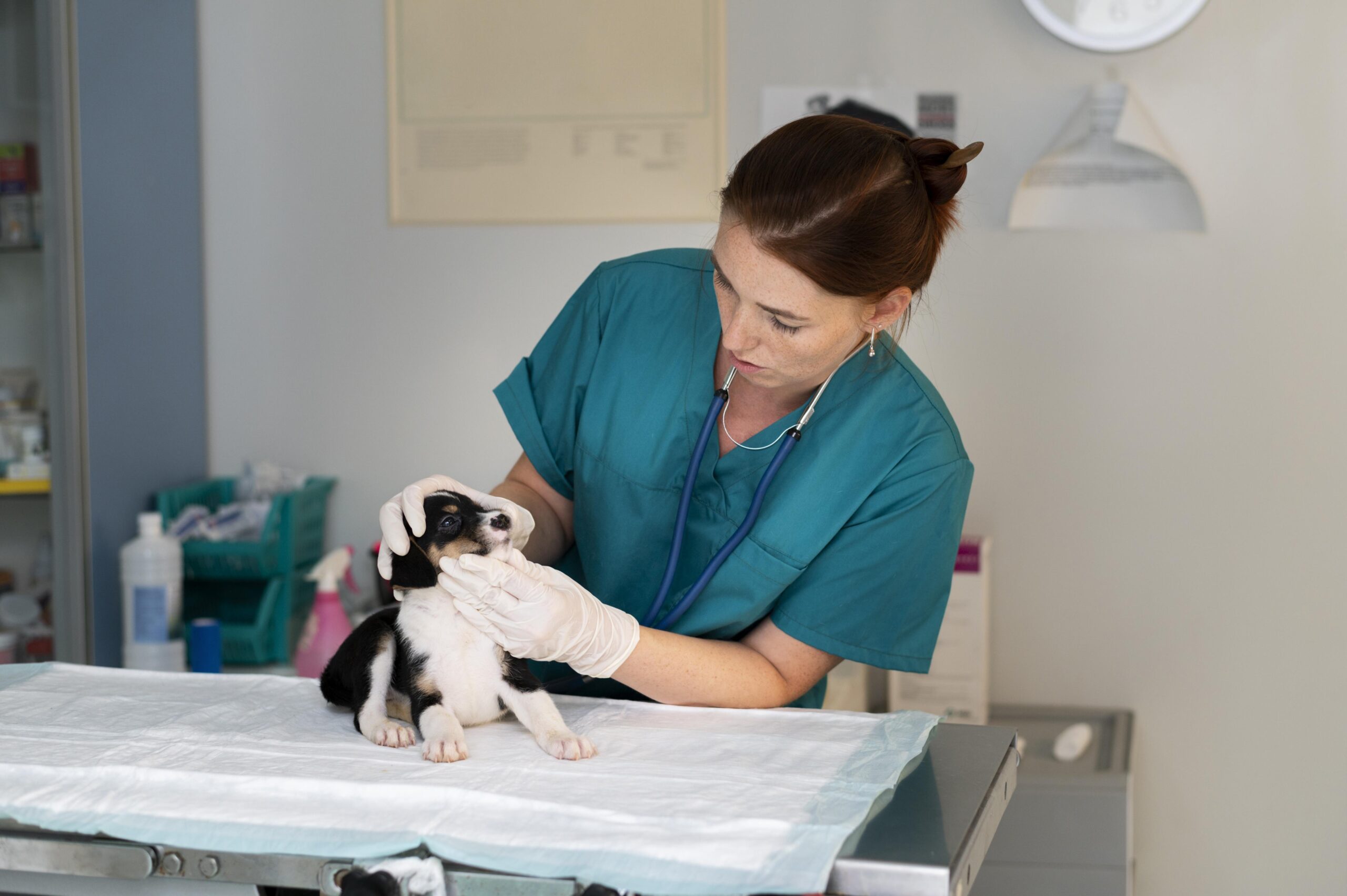
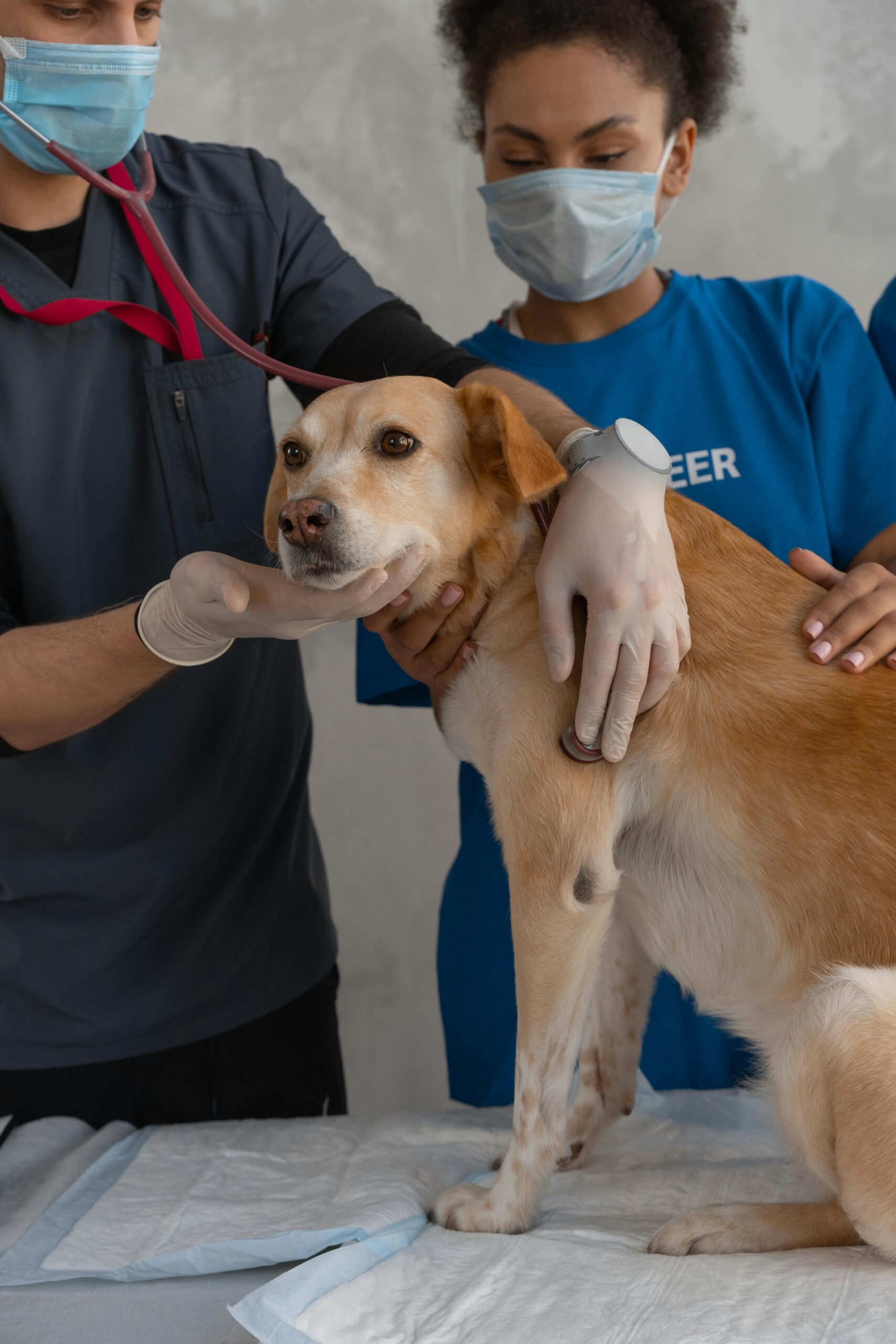
The landscape of veterinary medicine is constantly evolving, driven by advancements that significantly enhance animal health. In this blog, we explore recent innovations in veterinary healthcare that not only improve patient care but also redefine operational practices within veterinary clinics. Among these advancements in veterinary technology are tools that enable more precise diagnostics and treatment planning, ultimately leading to better outcomes for our pets. Moreover, telemedicine and digital record-keeping are transforming the way veterinarians and pet owners communicate, fostering a more collaborative approach to animal care. As we continue to embrace these changes, the overall standard of veterinary practice is set to reach new heights. One of the most significant areas of growth is in telemedicine advancements in veterinary practices, which allow for remote consultations and follow-ups, making care more accessible for pet owners. This technology enables veterinarians to monitor patients’ progress from afar and provide timely advice, ultimately leading to better health outcomes. As these tools become more integrated into daily operations, veterinary practices can streamline workflows and allocate resources more effectively. As we delve into innovative techniques in veterinary medicine, it’s important to highlight how these approaches utilize cutting-edge technology for better diagnostics and treatment options. Additionally, the implementation of telemedicine has revolutionized the way veterinarians interact with pet owners, ensuring that animals receive timely care. These advancements not only foster improved outcomes for patients but also enhance the overall efficiency of veterinary practices.
Embracing Technological Advancements
Technology plays a pivotal role in veterinary innovation. From telemedicine platforms to advanced diagnostic tools, these innovations enable veterinary clinics to deliver better outcomes. For example, telemedicine allows Associate Veterinarians and General Practice Veterinarians to consult remotely with pet owners, expanding accessibility to vital health advice. Recent advancements in animal health technology have significantly improved disease diagnostics and treatment options for various species. These tools not only enhance the efficiency of veterinary practices but also contribute to more accurate health assessments. As a result, pet owners can feel more confident knowing that their animals are receiving the best possible care. Furthermore, advancements in veterinary medicine technology are transforming how veterinarians manage patient care, making it possible to monitor pets’ health more effectively from a distance. These technologies not only streamline processes but also enhance the accuracy of diagnoses, leading to more tailored treatment plans for animals. As a result, pet owners can expect improved health outcomes and greater peace of mind when it comes to their beloved companions.
Furthermore, the introduction of artificial intelligence in diagnostic imaging aids Emergency Veterinarians and Critical Care Veterinarians in reaching prompt conclusions. This not only enhances the quality of care but also optimizes time, a critical resource in urgent situations.
Innovations in Treatment Protocols
Recent innovations also extend to treatment protocols. Novel therapeutic agents and updated vaccination schedules improve preventative care efforts. Healthcare providers are leveraging advancements in pharmacogenomics, allowing tailored treatments for mixed animal and food animal veterinarians.
This individualized approach enhances treatment efficacy, ensuring that each animal receives care adapted to its specific genetic makeup. Consequently, this trend leads to better patient outcomes and overall herd health.
Improving Operational Efficiency
Operational efficiency is essential in veterinary clinics. Advanced practice management software streamlines appointment scheduling, inventory management, and client communications. In urgent care settings, the ability to manage patient flow efficiently impacts both care quality and clinic profitability.
For instance, modernization within veterinary practices often involves implementing automated reminders for vaccinations or check-ups. This technology not only supports community medicine veterinarians in maintaining public health standards but also enhances client compliance.
Workforce Dynamics and Challenges
The veterinary workforce faces several challenges. With varying demands across roles, retaining talent, especially in emergency veterinary settings, can be challenging. However, educational initiatives and mentoring programs help associate and emergency veterinarians develop essential skills in a supportive environment. This approach builds a more resilient workforce able to tackle current challenges.
Moreover, fostering a culture of continuous learning within clinics encourages staff to stay informed about the latest veterinary innovations. This commitment to education empowers all team members, from shelter veterinarians to board-certified veterinary internal medicine specialists (DACVIM), to provide exceptional care.
Conclusion
Innovations in veterinary medicine significantly enhance animal health and welfare while addressing the operational challenges faced by clinics worldwide. By adopting these advancements, practices can enrich patient care and foster a more efficient working environment. At Pulivarthi Group, we understand the importance of having the right talent to navigate these developments. We support veterinary clinics in accessing skilled professionals, whether they are associate veterinarians or specialists, creating the optimal team to deliver outstanding veterinary health care.