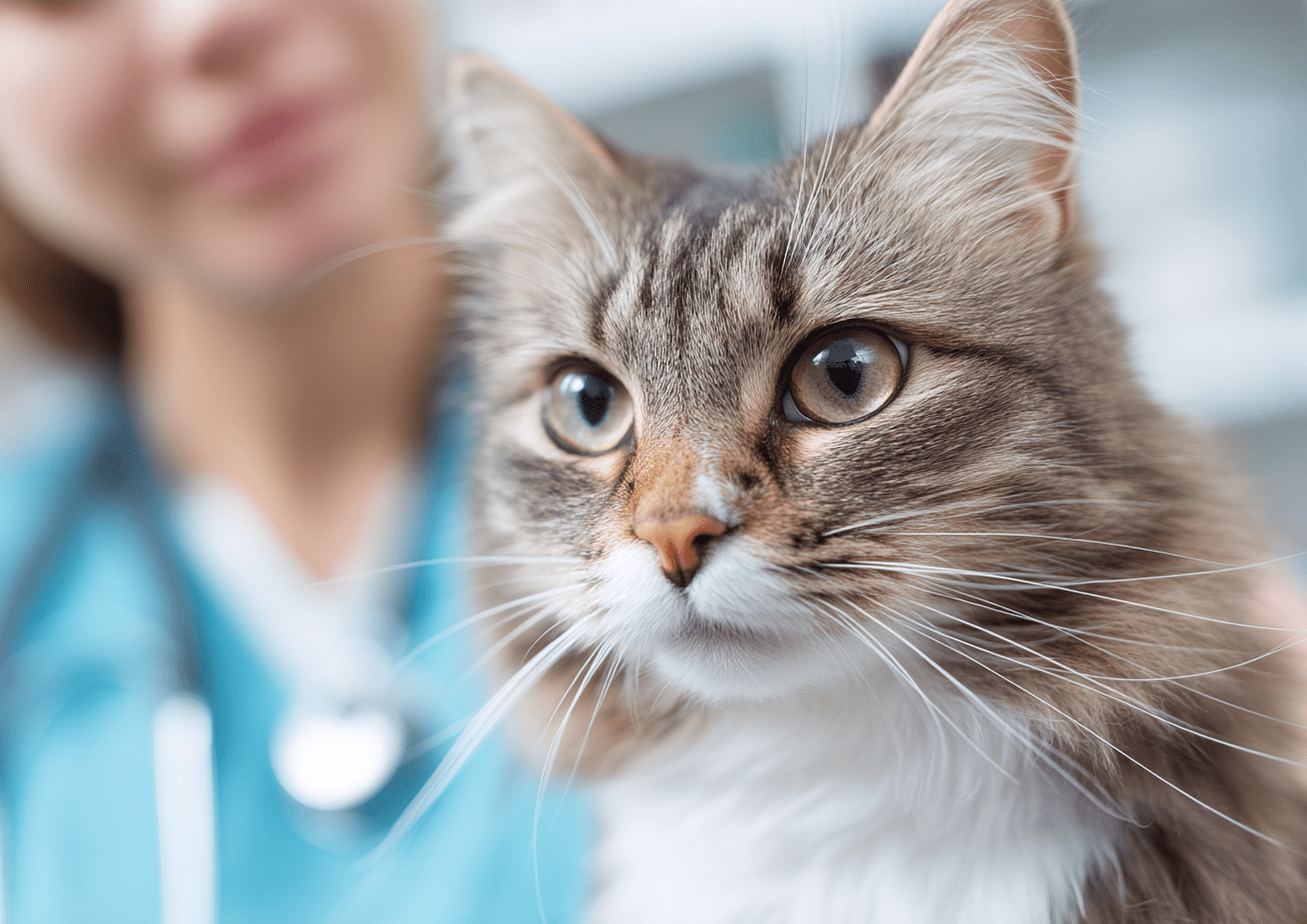
As the landscape of veterinary medicine evolves, veterinary innovation plays a crucial role in enhancing patient care and improving operational efficiency. Clinics across the United States face the challenge of adapting to new technologies while ensuring they meet regulatory standards. This blog post delves into the latest in veterinary healthcare technology, illustrating how these advancements benefit both veterinarians and their patients.
Embracing Veterinary Technology
Innovative veterinary technology is transforming clinical practice. For instance, telemedicine has emerged as a powerful tool, allowing General Practice Veterinarians to consult with pet owners remotely. This adaptability is particularly vital during emergency situations, where timely communication can save lives. Additionally, advancements in diagnostic tools, such as digital imaging and point-of-care testing, enable Emergency Veterinarians to make faster, more accurate decisions.
Incorporating new technologies also requires staff training. Associate Veterinarians and clinic staff must be proficient in utilizing these tools. Therefore, investing in educational programs is key. Equipment such as ultrasound machines and electronic health records (EHR) can enhance team performance and improve patient outcomes.
Navigating Regulatory Landscapes
The veterinary field is heavily regulated, making it essential for veterinarians and clinic owners to stay informed about changes. Emerging technologies often come with compliance requirements that can be complex. For example, when implementing telehealth solutions, clinics must adhere to state laws regarding veterinary-client relationships. Understanding these regulations can mitigate risks and enhance trust with clients.
Moreover, the integration of new drugs and treatments requires close attention to veterinary guidelines. Shelter Veterinarians and Community Medicine Veterinarians, in particular, must ensure they are compliant with local health codes when providing care to underserved populations. This approach not only fosters credibility but also promotes safe practices within the community.
Improving Patient Care Through Innovation
The focus of veterinary innovation extends beyond technology; it also encapsulates improving overall patient care. For instance, implementing data analytics helps track patient outcomes more effectively. By analyzing treatment histories, Veterinary Internal Medicine Specialists can develop more tailored care plans for complex cases. This personalized approach can significantly enhance the quality of life for pets.
Furthermore, technology streamlines communication between departments. Urgent Care Veterinarians and Critical Care Veterinarians benefit from seamless communication systems that allow for better patient handoffs. As a result, pets receive continuous care, thus reducing the likelihood of complications.
Staying Ahead of Industry Trends
Keeping up-to-date with industry trends is vital for all veterinary professionals. For example, the growing interest in veterinary telehealth reflects a broader shift towards accessible healthcare. Clinics that adopt these practices often see increased client satisfaction. Additionally, exploring advancements in veterinary pharmaceuticals, such as long-acting anesthetics, can improve surgical procedures, enhancing patient outcomes for both food and mixed animal practitioners.
To summarize, the veterinary industry benefits significantly from ongoing innovations in healthcare technology. Understanding these trends equips veterinary teams to address challenges effectively. The integration of new technologies also fosters a culture of continuous improvement and adaptability, essential qualities in today’s fast-paced veterinary landscape.
Conclusion
Pulivarthi Group recognizes the critical role that innovative veterinary healthcare technology plays in improving patient care and operational efficiency. As challenges emerge, finding skilled professionals becomes vital for clinics looking to stay competitive. Whether you require an Associate Veterinarian or specialists such as Board-Certified Veterinary Internal Medicine Specialists, we can help you connect with qualified candidates. Together, let’s embrace the future of veterinary medicine and enhance the care provided to our beloved pets.