In recent years, the veterinary industry has seen significant advancements in veterinary healthcare. These innovations enhance animal care while improving operational efficiency for clinics. As the demand for quality veterinary services grows, understanding these trends is critical for veterinarians and clinical staff. This blog delves into the latest developments in veterinary healthcare and their implications for practices worldwide.
Advancements in Technology and Their Impact
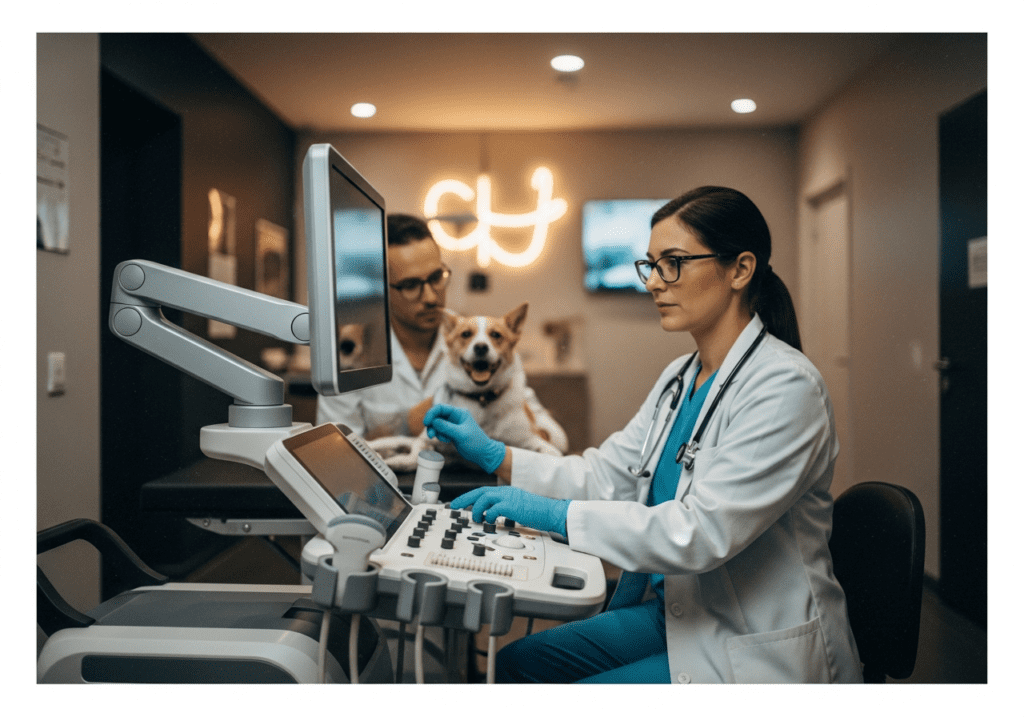
Today, technology plays a pivotal role in veterinary practices. Innovations such as telemedicine, advanced diagnostic tools, and electronic health records (EHR) are transforming how care is delivered. For example, telemedicine enables urgent care veterinarians to provide timely consultations for pet owners, thereby improving patient outcomes.
Additionally, the integration of EHR systems streamlines practice management. This technology allows associate veterinarians and clinical staff to access patient histories quickly, enhancing the continuity of care. As a result, clinics can increase efficiency and focus on delivering high-quality services.
Enhancing Patient Care Through Innovations
Veterinary healthcare advancements not only streamline operations but also elevate patient care. For instance, novel pharmaceuticals and therapeutic diets tailored to specific health conditions have emerged. These products enable general practice veterinarians to offer more comprehensive treatment options for various ailments.
Furthermore, the importance of preventive care cannot be overstated. Implementing wellness plans, supported by recent research, encourages pet owners to engage more actively in their animal’s health. This approach benefits shelter veterinarians and community medicine veterinarians in their efforts to promote responsible pet ownership.
Workforce Challenges and Solutions
Despite the exciting advancements, the veterinary industry faces significant workforce challenges. The shortage of qualified professionals impacts all sectors, from emergency veterinarians to mixed animal veterinarians. Clinics must adapt by promoting a positive work environment and investing in staff training.
Partnering with veterinary staffing agencies, like Pulivarthi Group, allows clinics to access a broader talent pool. This support can help ensure that practices maintain their standards of care, even in peak demand times. Addressing recruitment challenges is vital for fostering long-term sustainability in veterinary clinics.
Understanding the Importance of Continuous Education
As veterinary innovations continue to evolve, so too must the knowledge of those in the industry. Ongoing education is essential for veterinary professionals to stay abreast of new techniques and tools. This is especially true for specialists, such as board-certified veterinary internal medicine specialists (DACVIM), who must remain informed on the latest advancements in their field.
Investing in continuing education fosters skill development, which ultimately enhances patient outcomes. Clinics encouraging their teams to pursue further training can improve service quality and operational efficiency. This proactive approach cultivates a culture of learning that benefits both staff and clients alike.
Embracing Future Developments in Veterinary Healthcare
The veterinary landscape is poised for continuous growth, driven by innovation and a commitment to excellence in patient care. Understanding these trends is crucial for veterinary clinics aiming to thrive in a competitive market. By adopting new technologies, enhancing workforce capabilities, and committing to education, practices can ensure they operate at their best.
As veterinary clinics navigate the complexities of modern healthcare, Pulivarthi Group stands ready to help. We specialize in connecting practices with hard-to-find talent, including associate veterinarians, critical care veterinarians, food animal veterinarians, and more. Partner with us to ensure you have the right professionals on your team, thus enabling you to provide the highest level of care and operational efficiency.