Veterinary medicine is continuously evolving, bringing forth new advancements that enhance patient care and operational efficiency in veterinary clinics around the globe. As professionals in this field, it is essential to stay abreast of these progressions. This blog post delves into some of the key advancements in veterinary practices and treatments, focusing on their implications for clinical teams and management.
Advancements in Veterinary Practices
Recent years have witnessed significant innovations in veterinary medicine. For example, telemedicine has emerged as a vital tool, especially for general practice veterinarians and urgent care veterinarians. This technology allows professionals to connect with pet owners remotely, facilitating urgent consults and advice from home. Furthermore, this approach can improve accessibility and efficiency while reducing the burden of non-critical visits on clinic resources.
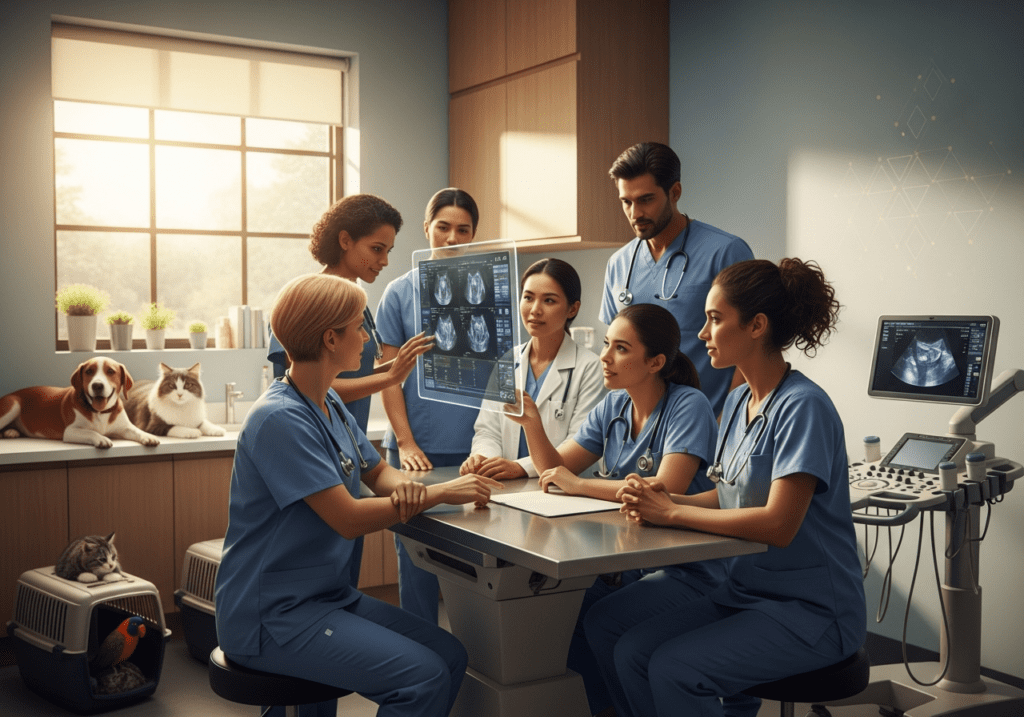
In addition, advancements in diagnostic imaging, such as high-resolution ultrasound and MRI techniques, enable veterinarians to make quicker and more accurate diagnoses. These tools assist all types of veterinarians, including emergency and critical care veterinarians, in identifying health concerns that may require immediate intervention.
Operational Efficiency through Technology
Operational efficiency is a significant concern for practice owners and managers. Integrating practice management software into clinic operations streamlines workflows, encompassing appointment scheduling, electronic medical records, and billing. Such systems not only enhance productivity but also empower veterinary clinical staff to focus more on patient care rather than administrative tasks.
- Electronic medical records enhance information accessibility.
- Client communication software improves pet owner engagement.
- Inventory management tools reduce overhead costs by minimizing waste.
Moreover, employing data analytics allows veterinary clinics to track key performance indicators (KPIs). Analyzing trends in patient visits and treatment outcomes helps clinic managers adjust strategies to better meet client needs and improve financial performance.
The Importance of Continuing Education
As veterinary medicine progresses, so must the skillsets of those within the field. Therefore, it is vital for veterinarians, including mixed animal and food animal veterinarians, to pursue continuing education. Workshops, webinars, and conferences offer valuable learning opportunities about new treatment methodologies and innovations in animal care.
Furthermore, mentoring new graduates can enhance the workforce’s competency. For example, shelter veterinarians can provide insights on community medicine, while veterinary internal medicine specialists can share advanced practices with general practitioners. This knowledge transfer is crucial for holistic improvements across the veterinary field.
Addressing Workforce Realities
The veterinary industry currently faces workforce challenges, including staffing shortages and burnout among clinical teams. Associate veterinarians, emergency veterinarians, and critical care veterinarians, in particular, experience high levels of stress due to the demanding nature of their roles.
Encouraging work-life balance and supporting mental health initiatives can help mitigate these issues. Furthermore, career development paths within hospitals can provide job growth opportunities, increasing job satisfaction and retention rates. Practices need to prioritize and create a supportive work environment to retain skilled staff.
Future Implications of Veterinary Advancements
Moving forward, the landscape of veterinary medicine will encompass even more technological advancements. The integration of artificial intelligence and machine learning will revolutionize diagnostics and predictive analytics in the coming years. Such innovations will allow veterinarian specialists, like board-certified veterinary internal medicine specialists, to enhance treatment protocols significantly.
As veterinary clinics adopt these changes, they must remain responsive to the ethical implications of such technologies. It’s crucial to balance innovation with the core values of animal welfare and client relationships. Clinics should aim to incorporate advancements while ensuring they uphold the highest standards of patient care.
Conclusion
The future of veterinary medicine is rich with possibilities. Advances in technology and methodologies promise to improve care for our animal patients and enhance the operational aspects of veterinary clinics worldwide. At Pulivarthi Group, we understand the importance of accessing specialized talent, whether it be for an associate veterinarian or a board-certified veterinary internal medicine specialist (DACVIM). By assisting clinics in finding hard-to-source professionals, we aim to support your mission to deliver extraordinary animal care. Together, we can prepare for the future of veterinary medicine.