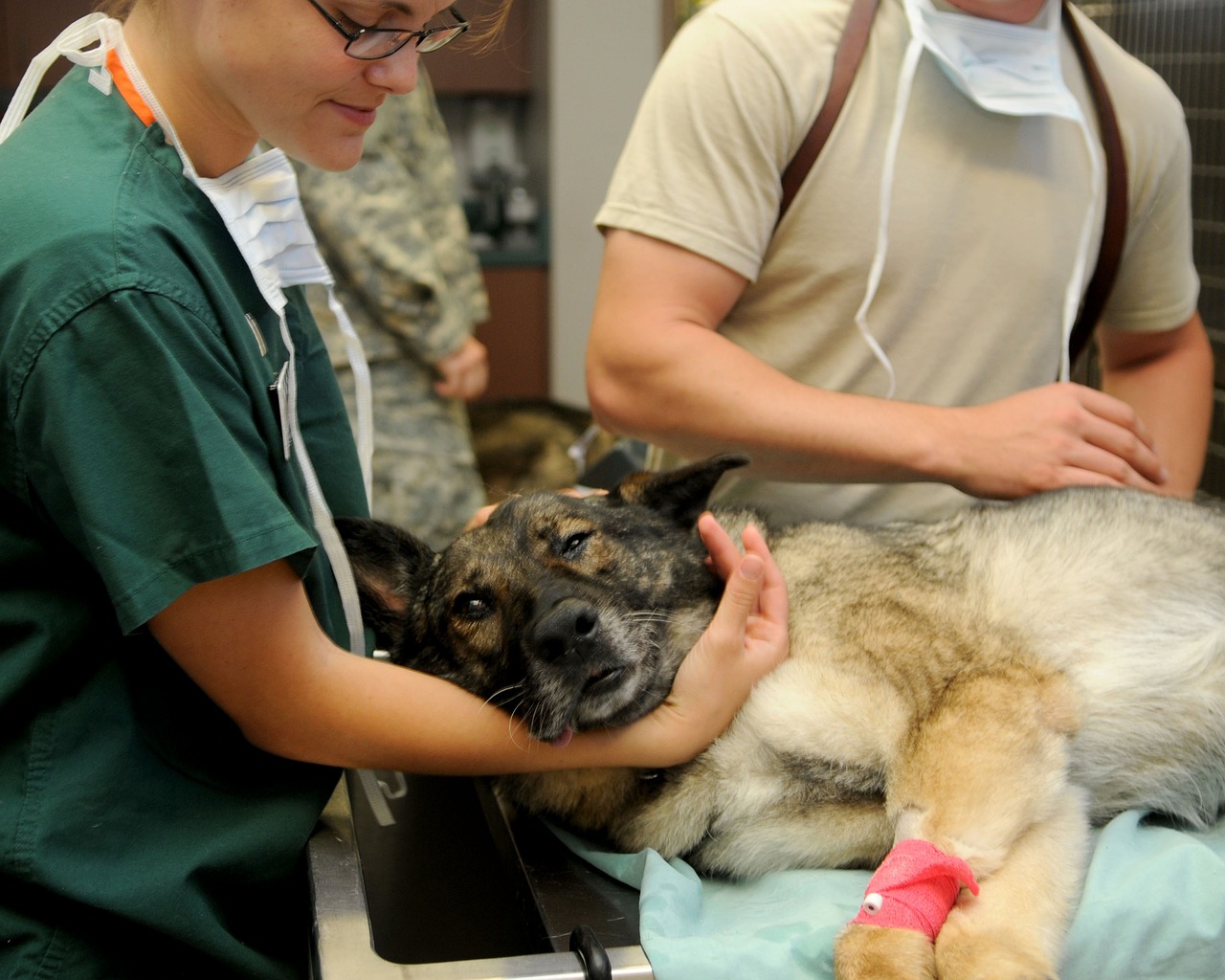
In the constantly evolving veterinary landscape, the importance of educational partnerships cannot be overstated. Recently, Arkansas State University (ASU) has initiated a promising partnership with ASU Beebe aimed at enhancing veterinary education. This initiative is crucial for providing training opportunities to new graduates and effectively addressing the growing demands within veterinary clinics.
Bridging the Gap in Veterinary Education
Veterinary clinics frequently face challenges related to workforce shortages. As a result, collaboration between educational institutions like ASU and ASU Beebe has become essential. This partnership is expected to improve the quality of veterinary training, ultimately leading to better-prepared graduates. For example, by sharing resources and expertise, both institutions can develop comprehensive programs that align with industry needs.
Furthermore, improved educational collaboration can lead to innovative training methods that enhance practical skills. Associate Veterinarians and General Practice Veterinarians would particularly benefit from a curriculum that emphasizes hands-on experience in real-world settings. In addition, the partnership could tailor veterinary training specific to the unique demands of urgent care, emergency, and critical care practices.
Meeting the Challenges of Veterinary Practice
Veterinary clinics specializing in urgent and emergency care often face high-stress environments with critical cases requiring immediate attention. The collaboration between educational institutions can address this need by creating specialized training programs. These programs will equip future Emergency Veterinarians and Critical Care Veterinarians with the tools they need to excel in fast-paced settings.
- Enhanced training on triage and emergency procedures.
- Simulation-based learning opportunities for critical scenarios.
- In-depth workshops on communication techniques for stressful situations.
Moreover, developments in veterinary education should also incorporate trends in community medicine and shelter care. Partnerships that focus on these areas can prepare students to face the realities of mixed animal practices and food animal health. The future of veterinary medicine hinges on a collaborative approach that continuously adapts to the sector’s evolving needs.
Implications for Veterinary Workforce Realities
For practice owners and managers, the implications of these educational collaborations are significant. With higher-quality educational programs, clinics can reduce the time spent on training. This outcome not only increases operational efficiency but also elevates patient care. Additionally, a well-trained workforce will likely enhance the clinic’s reputation, attracting more clientele.
Veterinary Internal Medicine Specialists can contribute to this educational landscape as well. Their expertise can be leveraged to develop advanced training modules that prepare future practitioners for complex cases. Such initiatives will ensure that new graduates have a solid foundation and are better equipped to specialize in areas like internal medicine.
Conclusion
The partnership between Arkansas State University and ASU Beebe represents a significant step towards addressing the workforce challenges in veterinary clinics. By enhancing educational collaboration, these institutions will better prepare future veterinarians for the realities of clinical practice. As a result, clinics can look forward to attracting talented professionals capable of delivering high-quality care.
At Pulivarthi Group, we understand the challenges of finding skilled professionals to meet your clinic’s needs. Our services connect veterinary clinics with hard-to-find talent, including Associate Veterinarians, General Practice Veterinarians, and specialists in various fields. We stand ready to support your clinic in navigating the complexities of workforce development and securing the right talent for optimal patient care.