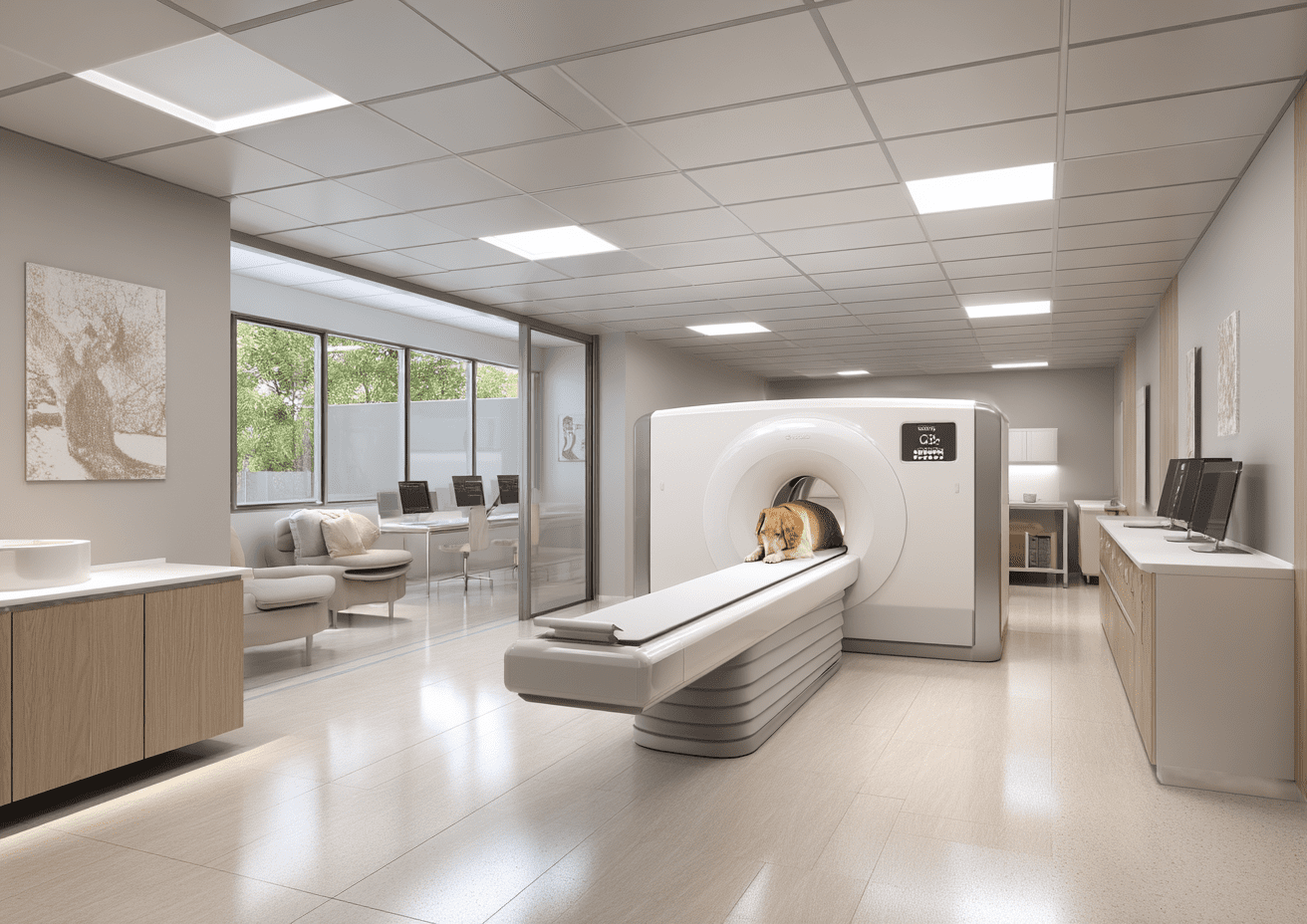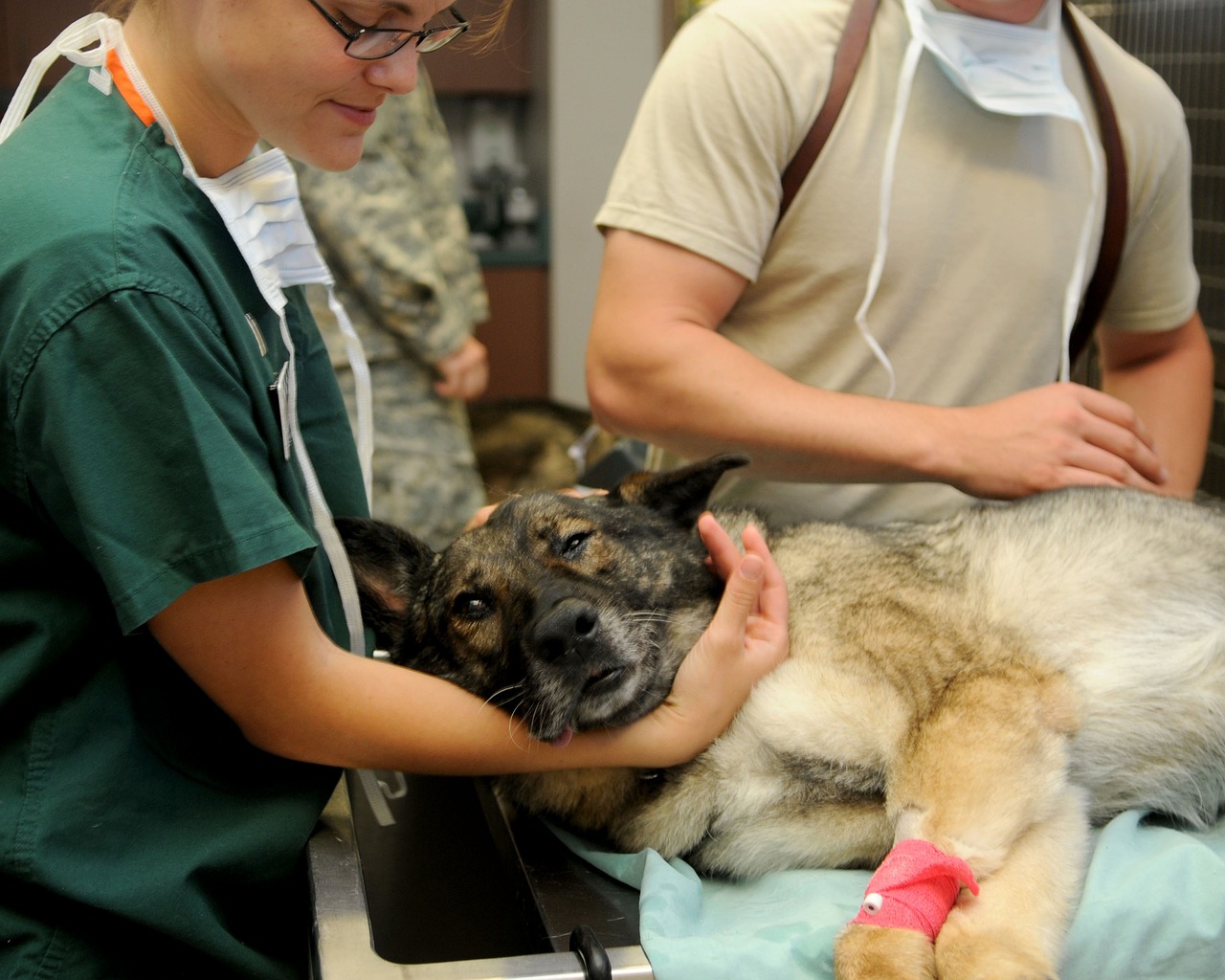
As the field of veterinary oncology evolves, it brings new hope and challenges to veterinary clinics across North America. Comprehensive pet cancer treatment has become critical; therefore, understanding the latest advancements in oncology practices is essential for veterinarians, clinic staff, and practice owners. This blog explores the current state of veterinary oncology, highlighting innovations and addressing key challenges in cancer management for pets. With veterinary cancer treatment options available, clinics are better equipped to provide personalized care tailored to each pet’s needs. This includes innovative therapies such as immunotherapy and targeted treatments that are becoming more accessible. Staying informed about these options is crucial for pet owners seeking the best for their furry companions.
Understanding Veterinary Oncology
Veterinary oncology encompasses the diagnosis and treatment of tumors in animals. It is a specialized field aimed at managing pet cancer effectively. Among veterinarians, awareness about pet cancer treatment options significantly influences clinical practice. The role of an Associate Veterinarian or a General Practice Veterinarian often involves initial cancer detection, while specialists like Board-Certified Veterinary Internal Medicine Specialists (DACVIM) provide advanced treatment strategies.
Key Challenges in Managing Cancer in Pets
Managing cancer in pets presents several challenges, such as late diagnosis and complex treatment regimens. For example, urgent care and emergency veterinarians frequently encounter pets in advanced cancer stages but lack immediate access to comprehensive oncology resources. Therefore, fostering collaboration between general practice veterinarians and oncology specialists is crucial for timely referrals and better patient outcomes.
Additionally, the emotional toll on pet owners complicates treatment discussions. Veterinarians must communicate effectively about prognosis and treatment options, which often include chemotherapy and surgical interventions. Hence, the importance of empathy cannot be overstated.
Innovations in Pet Cancer Treatment
Recent advancements in veterinary oncology have enhanced treatment modalities available to practitioners. For instance, immunotherapy and targeted therapies are paving the way for more effective treatments with fewer side effects. Clinics that adopt these modern therapies can improve patient care and possibly extend the lives of cancer-afflicted pets.
Furthermore, the integration of artificial intelligence (AI) into diagnostic processes can optimize cancer detection. AI tools analyze imaging and lab results more efficiently, ensuring quicker and more accurate diagnoses. This technology can transform how veterinarians approach oncology cases, which is particularly beneficial for both mixed animal and food animal veterinarians that handle diverse cases.
The Role of Veterinary Staff in Oncology
The clinical staff plays a vital role in enhancing oncology care. Case managers and technicians must be well-versed in oncology protocols to ensure seamless patient pathways. Specifically, training focused on pain management, nutritional support, and nursing care significantly enhances the care of pets undergoing cancer treatment.
Furthermore, shelter veterinarians and community medicine veterinarians address cancer care differently due to resource constraints. Their focus often shifts towards palliative care, highlighting the need for innovative, low-cost support options for pet owners.
Looking Ahead: Trends in Veterinary Oncology
As the field progresses, several trends are shaping the landscape of veterinary oncology. Telemedicine is on the rise, allowing pet owners to consult with specialists remotely. This development is particularly beneficial in emergency situations where immediate expert advice may be needed.
Additionally, ongoing research into the genetics of pet cancer will likely pave the way for personalized treatment plans. Understanding the underlying biology of tumors may lead to customized therapies, enhancing the efficacy of interventions. Thus, staying informed on such trends is paramount for all veterinary roles, from general practice to specialized positions.
Conclusion
Improving veterinary oncology practices requires a concerted effort to address the unique challenges faced by veterinary clinics. Embracing innovations and fostering collaboration among veterinary roles can lead to better patient outcomes in pet cancer treatment. The Pulivarthi Group understands the complexities of veterinary oncology and helps clinics access specialized talent effectively. By connecting clinics with hard-to-find professionals, such as critical care veterinarians and oncology specialists, we enhance patient care and operational efficiency in the veterinary field. Together, we can drive advancements in veterinary oncology and elevate the standard of care for pets battling cancer.