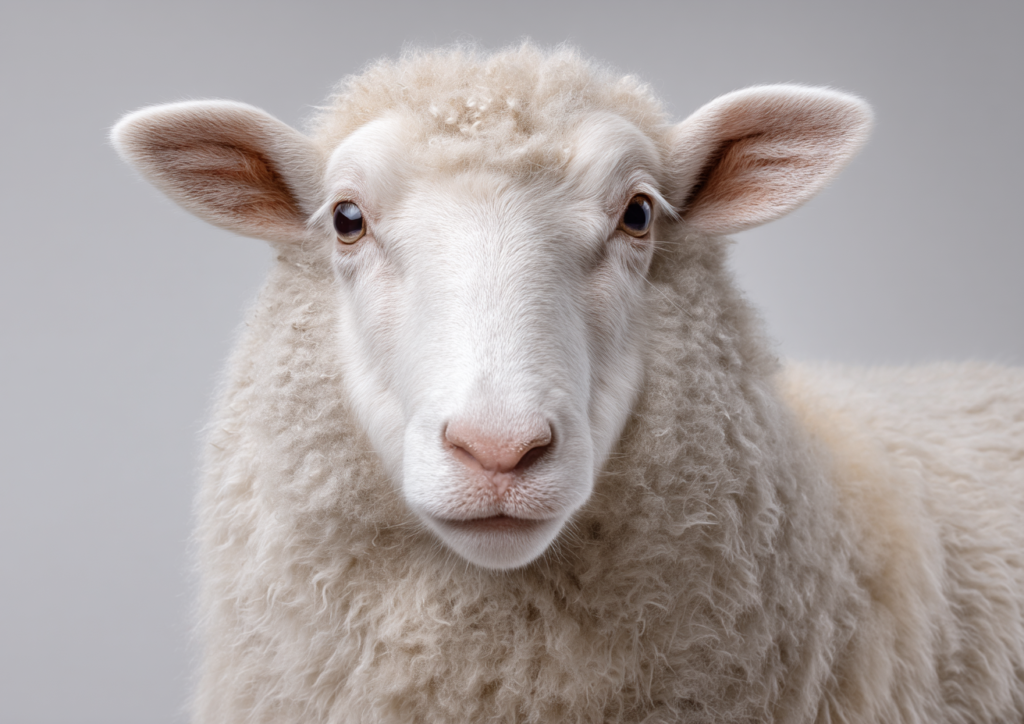
Maxillofacial implants have emerged as a pivotal advancement in veterinary surgery. Their evaluation in sheep provides crucial insights for both clinical practice and research. This post explores a recent study focused on maxillofacial implants, discussing its implications for veterinary clinics, especially those aiming to refine surgical techniques.
Importance of Maxillofacial Implants in Veterinary Surgery
The use of maxillofacial implants in veterinary procedures, particularly in sheep, highlights innovative surgical methodologies. These implants facilitate functional and aesthetic restorations, thereby significantly improving patient care outcomes. For veterinarians, understanding these techniques becomes vital as they seek to enhance surgical options. By familiarizing themselves with new findings, veterinarians can stay at the forefront of surgical advancements.
Key Challenges in Implant Evaluation
One of the study’s primary challenges lies in the standardization of maxillofacial implants. The variations in materials, sizes, and designs can complicate clinical comparisons. Furthermore, reducing the number of animals used in these studies is essential for ethical considerations. This approach not only adheres to animal welfare standards but also optimizes resource allocation in veterinary clinics. Clinicians must navigate these challenges to develop reliable surgical protocols.
Study Findings and Implications
The study monitored the effectiveness of various maxillofacial implants over a six-month period. Results indicated varying success rates based on implant type and placement technique. Specifically, certain materials demonstrated superior integration with bone tissue. For associate veterinarians and surgical staff, these findings pave the way for informed decision-making regarding implant selection.
Moreover, understanding the long-term outcomes associated with implant use can inform practitioners in emergency and critical care settings about potential complications. For example, an urgent care veterinarian may benefit from knowledge concerning the healing process of maxillofacial implants during postoperative assessments.
Operational Considerations for Veterinary Clinics
Incorporating advanced surgical techniques like maxillofacial implant placement requires operational efficiencies within veterinary practices. This integration can lead to improved patient outcomes and client satisfaction. Practice owners and managers should consider investing in staff training on these techniques. Continuous education fosters a culture of innovation and ensures that clinics remain competitive.
To facilitate this, clinics may partner with veterinary educators or organizations to host workshops. Such initiatives not only enhance staff skills but also promote team cohesion. By embracing new technologies, clinics can improve their service offerings across various roles, including general practice and specialty veterinarians.
Future Directions in Veterinary Maxillofacial Surgery
The landscape of veterinary surgery continues to evolve. Emerging technologies, such as 3D printing of implants, promise to revolutionize implant customization for sheep and other species. Consequently, veterinarians must remain vigilant in exploring these advancements. This exploration includes engaging with ongoing research and contributing insights back to the community.
Furthermore, as the demand for specialized skills grows, veterinary internal medicine specialists, including those board-certified by the DACVIM, will play an increasingly critical role in executing these complex procedures. Their expertise can significantly reduce complication rates and enhance recovery times in patients.
Conclusion
The evaluation of maxillofacial implants in sheep underscores significant advancements in veterinary surgical practices. Understanding these techniques and challenges enables veterinary professionals to enhance patient care effectively. With the right training and resources, veterinary clinics can implement these innovations to meet the evolving needs of their patients and clients. The Pulivarthi Group is dedicated to helping veterinary clinics find the essential talent needed to support such initiatives, from associate veterinarians to specialized roles. By investing in skilled professionals, clinics can enhance surgical outcomes and improve the overall quality of veterinary care.