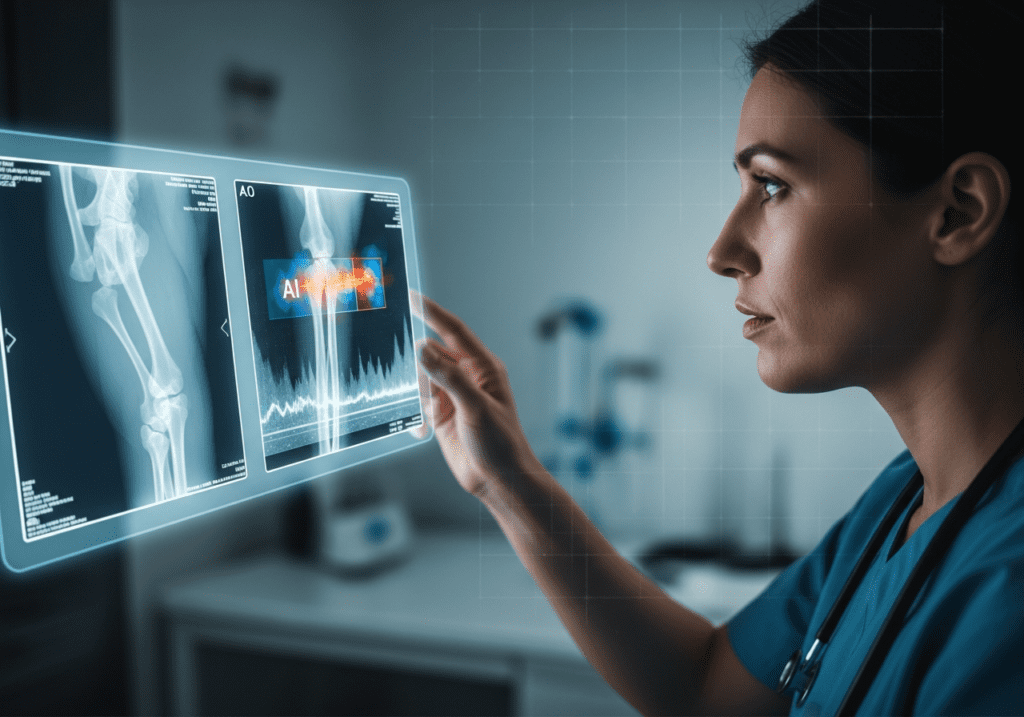
The use of AI in veterinary radiology is rapidly evolving, becoming an integral part of clinical diagnostics. As veterinarians and clinic staff increasingly incorporate technology, understanding its implications is essential. Recent studies have cast doubt on the accuracy and reliability of AI platforms, raising questions that demand critical evaluation in clinical settings.
Understanding the Challenges of AI in Veterinary Diagnostics
While AI systems promise enhanced efficiency, they often fall short in delivering consistent accuracy. In veterinary clinics, this is particularly concerning for roles like the Emergency Veterinarian and the Critical Care Veterinarian, where timely and precise diagnostics are crucial. For example, a misdiagnosis due to flawed AI interpretation can lead to dire consequences for patient outcomes.
General practice veterinarians may find AI tools beneficial for routine diagnostics, yet they must remain cautious. The challenge lies in distinguishing between true positives and false positives, which necessitates robust validation processes. The accuracy of AI technologies needs thorough scrutiny before being adopted into everyday practice.
The Implications of AI in Veterinary Radiology
The implications of unreliable AI tools extend beyond diagnostics. Veterinary clinics risk compromising their reputation if clients receive inaccurate diagnostic conclusions. This situation poses a dilemma for practice owners and managers who must balance innovation with trust in patient care. Additionally, the global trend towards digitalization in veterinary medicine does not absolve practitioners from the ethical and professional responsibilities they hold.
Moreover, the Veterinary Internal Medicine Specialist might experience challenges in managing complex cases, especially if AI misguides clinical decisions regarding treatment plans. Thus, instant access to comprehensive validation of AI tools is not just useful; it is imperative.
Evaluating AI Tools: A Professional Necessity
Veterinarians and clinical teams must engage in a thorough evaluation of AI tools before implementation. Questions arise, such as, “What metrics have been used to determine AI accuracy?” and “Who performs the independent validation of the platform?” These inquiries are crucial for ensuring that AI-supported diagnostics align with clinical standards.
It is also essential for practitioners in diverse roles—from Shelter Veterinarians to Food Animal Veterinarians—to understand the scope and limitations of AI applications. AI might streamline imaging processes, but relying solely on technology without human oversight can lead to flawed outcomes.
Future Considerations in AI and Veterinary Radiology
The pace of AI advancements in veterinary radiology presents both opportunities and uncertainties. As technology evolves, so too should the frameworks that govern its application in clinical practice. Clinics must prioritize continuous education and training on new tools to integrate AI effectively while minimizing risks.
As these issues develop, staying informed about industry trends, regulations, and the evolving landscape of veterinary diagnostics will empower practitioners to make responsible and informed decisions. Furthermore, embracing a collaborative approach among veterinarians, technicians, and regulatory bodies will enhance patient care quality.
Conclusion
In conclusion, while AI in veterinary radiology has remarkable potential, the current challenges regarding accuracy require careful assessment. It is vital for veterinary clinics to foster a culture of critical evaluation around AI technologies, ensuring these tools enhance—not hinder—their diagnostic capabilities. At Pulivarthi Group, we understand the importance of finding skilled and reliable veterinary professionals across various specialties. Our commitment to supporting clinics in accessing top talent—including Associate Veterinarians, General Practice Veterinarians, Urgent Care Veterinarians, and more—ensures that your team is equipped to navigate the complexities of modern veterinary practice.