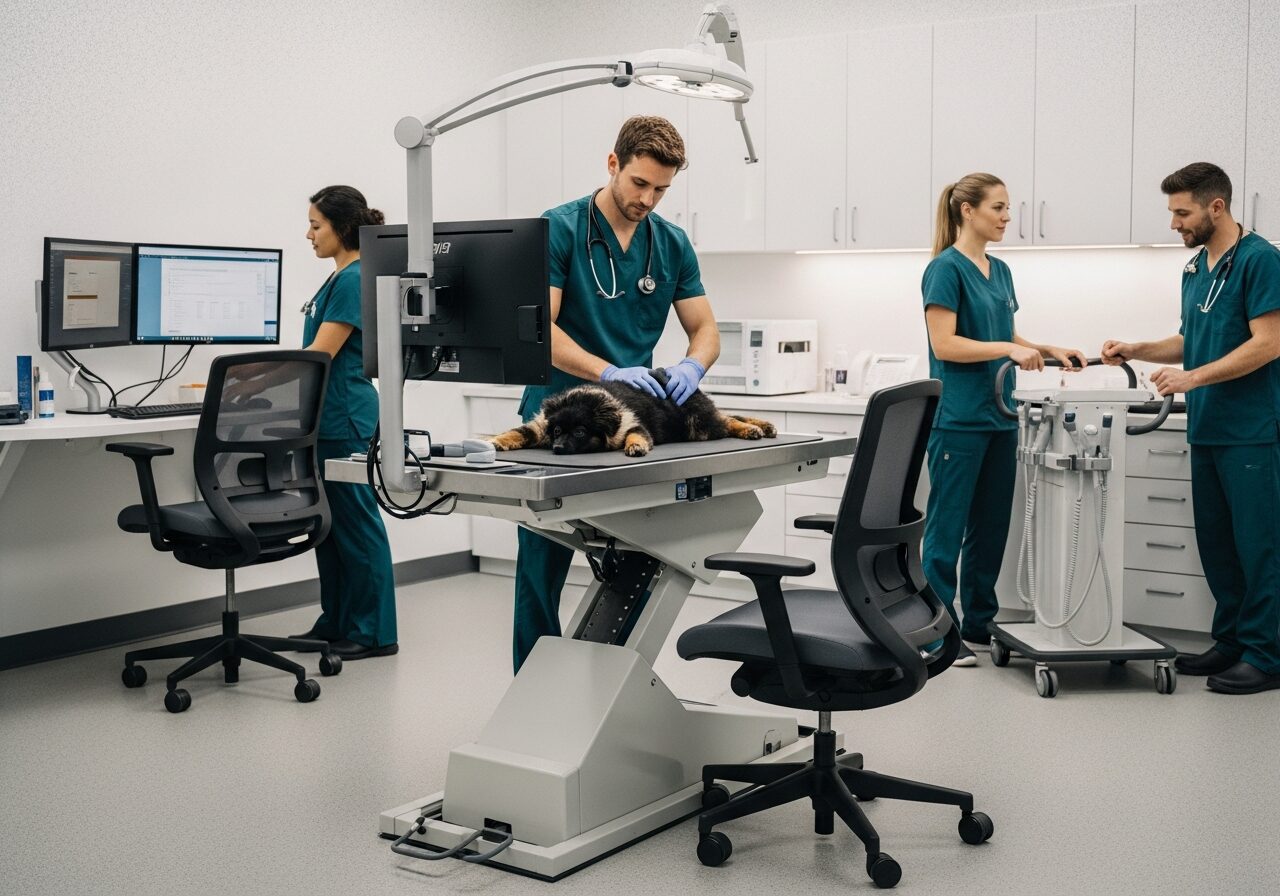
In the fast-paced world of veterinary practice management, staying updated with best practices is crucial. Veterinary clinics face ongoing challenges in operational efficiency and management skills. Hence, attending significant industry events like Fetch Nashville can equip practice managers with essential knowledge. This blog explores learning opportunities tailored for veterinary practice managers, emphasizing key elements that enhance operational capabilities.
Understanding the Unique Demands of Veterinary Practice Management
Veterinary practice managers require a blend of clinical and administrative skills. The demands vary significantly across different practice types, from general practice veterinarians to emergency veterinarians. Each role faces unique challenges that impact patient care and overall operation. For example, urgent care veterinarians often deal with high-stress situations requiring immediate decision-making. This pressure underscores the need for robust management strategies to maintain an efficient workflow.
Key Learning Areas: Management and Operational Excellence
Conferences like Fetch Nashville offer sessions on essential themes, including:
- Effective team management
- Optimizing patient communication
- Innovative patient care strategies
- Streamlining operational processes
- Adaptability in workforce realities
These areas are fundamental in ensuring that veterinary clinics operate smoothly, especially during high-volume periods.
Operational Efficiency: Reducing Bottlenecks
Implementing effective management skills can significantly enhance operational efficiency. For instance, agile scheduling systems can help balance workloads between associate veterinarians and specialty roles. Additionally, practice managers should prioritize ongoing staff training focused on both clinical and soft skills. This holistic approach equips clinical staff to address diverse challenges effectively, thus improving patient outcomes.
Encouraging Strong Candidate Experience
As workforce demands grow, creating an exceptional candidate experience is essential. What strategies can veterinary clinics implement to enhance this experience? Consider these practices:
- Streamlined interview processes
- Engaging onboarding programs
- Regular feedback sessions
These initiatives foster a supportive environment for new hires, making them feel valued from day one. A robust onboarding experience is crucial for retention, particularly for specialized roles like veterinary internal medicine specialists or emergency veterinarians.
Staying Updated with Industry Trends
The veterinary industry is constantly evolving. Practice managers must stay informed about upcoming trends and changes. Networking at conferences allows managers to exchange insights on innovative patient care practices. It also fosters discussions around pressing issues facing the veterinary workforce. Awareness of these trends is vital, especially when adjusting to the increasing expectations from pet owners regarding quality care.
Conclusion
Engaging in professional development is vital for veterinary practice managers aiming to enhance operational efficiency and management skills. Events like Fetch Nashville provide pivotal learning experiences tailored to address the unique challenges veterinary clinics encounter. By focusing on essential areas like team management, candidate experience, and operational strategies, practice managers can significantly improve their clinics. At Pulivarthi Group, we understand the importance of accessing talent across various veterinary roles. We are dedicated to helping veterinary clinics find specialized skills, whether for associate veterinarians, emergency veterinarians, or veterinary internal medicine specialists. Together, let’s build a stronger veterinary future.