As the popularity of backyard chickens rises, ensuring their safety and health has become a pressing concern for veterinary clinics. With unique health risks, biosecurity challenges, and management practices specifically related to poultry care, veterinarians and clinical staff must stay informed. The need for effective veterinary guidance in this area is vital, especially as more families embrace sustainable living through backyard poultry. This essential guide to backyard chicken safety provides insight into the crucial aspects of poultry health management relevant to veterinary practice.
Understanding Health Risks
Backyard chickens face numerous health risks, including diseases such as avian influenza and salmonella. Understanding these risks is crucial for veterinarians, especially those in general practice and urgent care settings. For example, an urgent care veterinarian might encounter cases of respiratory infections, which can quickly spread within a flock. To mitigate these risks, veterinarians should educate chicken owners about signs of illness, biosecurity measures, and vaccination protocols.
- Monitor flock behavior and appearance regularly.
- Establish a biosecurity plan for new birds.
- Provide information on local vaccination requirements.
Implementing Effective Biosecurity Practices
Biosecurity is critical in preventing disease outbreaks among backyard chickens. This is where veterinary clinics can play a pivotal role. Educating clients about contamination routes, such as human contact and equipment sharing, can significantly reduce health risks. Clinics can create informative brochures or host workshops to demonstrate best practices. For instance, shelter veterinarians can share their experiences in managing disease in larger populations and recommend strategies for smaller flocks.
Management Strategies for Healthy Backyard Flocks
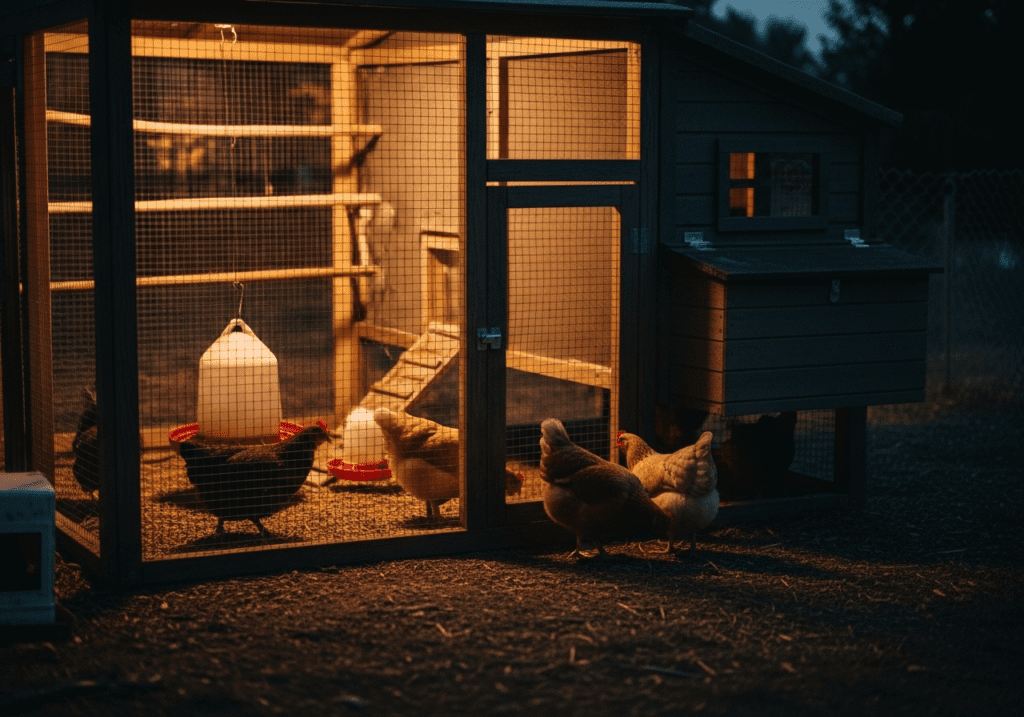
Good management practices lead to better poultry health. Veterinary practices should guide chicken owners on proper housing, nutrition, and environmental needs. This includes ensuring that chicken coops are clean and provide adequate space to prevent stress and aggression among birds. A focus on poultry care involves discussing feeding techniques, suitable bedding materials, and monitoring for pests. Mixed animal veterinarians can share insights on integrating backyard poultry management into broader animal care strategies.
- Set up a cleaning schedule for coops.
- Educate about proper feed types for different life stages.
- Promote the importance of environmental enrichment.
The Role of Clinics in Poultry Health Education
Veterinary clinics can act as community hubs for poultry health education. They can provide resources on best practices and foster a supportive environment for new chicken owners. Furthermore, clinics should be aware of the emotional aspects of poultry management. Owners often form bonds with their chickens, so veterinarians need to address these emotional ties during consultation. Veterinary internal medicine specialists can assist in complex cases that might arise, ensuring that all aspects of health are considered.
Conclusion
As backyard chickens continue to gain acclaim across the United States, veterinary clinics must prioritize their health and safety. This includes understanding the unique challenges of poultry care and providing robust support to chicken owners. By fostering clinical excellence in caring for these birds, veterinary practices can contribute significantly to the overall well-being of their local communities. The Pulivarthi Group stands ready to support veterinary clinics in this mission, offering access to experienced professionals across various roles, including emergency veterinarians and food animal veterinarians. Together, we can ensure the flourishing of both poultry health and veterinary practice.