In veterinary clinics, the importance of safe handling and proper cleaning of surgical instruments cannot be overstated. Inadequate cleaning processes lead to significant challenges, including surgical site infections and post-operative complications. Adopting effective cleaning and sterilization protocols is essential for all veterinary professionals, including Associate Veterinarians and Emergency Veterinarians alike. This blog serves as a guide to improve patient safety and enhance surgical outcomes.
Understanding the Impact of Surgical Instrument Handling
Veterinary clinics often face the consequences of poor surgical instrument cleaning practices. The risk of infection directly correlates to how well instruments are cleaned and sterilized. Therefore, understanding these risks helps clinics implement stricter protocols. Emergency Veterinarians, for example, frequently handle surgical instruments under pressure. They must ensure that these instruments are not only functional but also safe for use.
In addition, General Practice Veterinarians require consistent sterilization methods to maintain trust with pet owners. When clients see their pet’s safety prioritized through thorough instrument handling, they are more likely to return for future care. Consequently, proper instrument cleaning positively influences patient care.
Effective Cleaning Protocols for Surgical Instruments
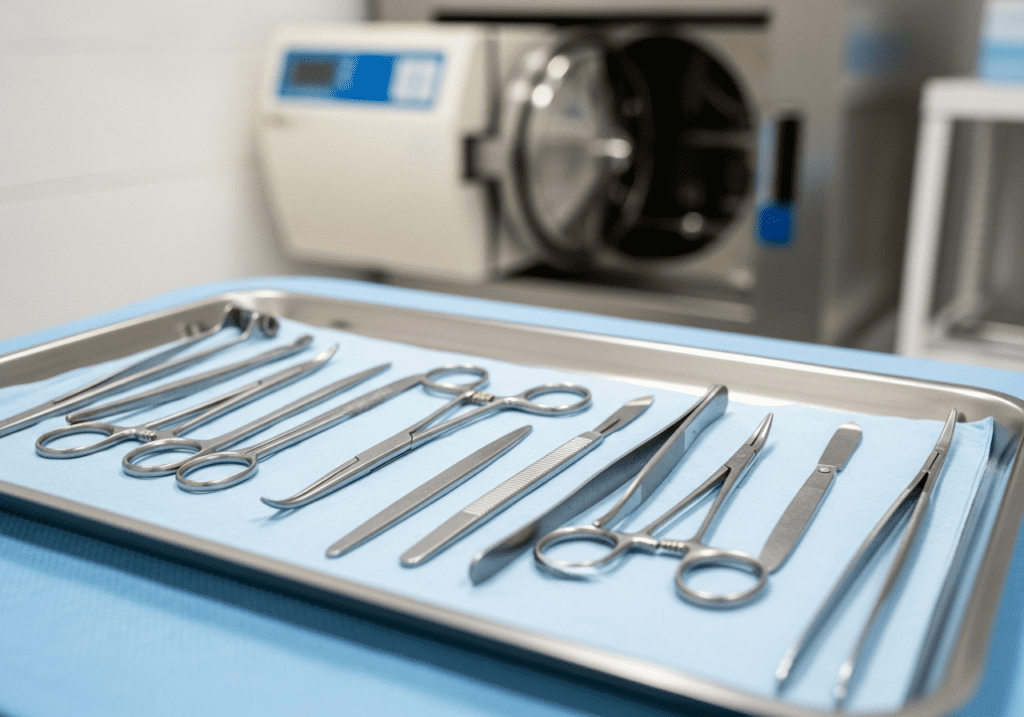
Adhering to effective cleaning protocols is vital. The following steps are crucial for maintaining surgical instruments:
- Pre-cleaning: Rinse instruments immediately after use to remove organic matter.
- Cleaning: Use enzymatic cleaners specifically formulated for veterinary instruments.
- Rinsing: Thoroughly rinse after cleaning to ensure removal of all residues.
- Drying: Instruments should be dried using non-linting cloths or air dryers.
- Sterilization: Ensure that steam autoclaving conditions are met for equipment.
Implementing these steps will mitigate risks associated with inadequate cleaning processes. Furthermore, standardizing these protocols across all veterinary roles encourages accountability among the staff.
Technological Innovations in Instrument Sterilization
Technology plays a significant role in improving surgical instrument cleaning and sterilization. Automated cleaning systems and advanced sterilization machines enhance efficiency and effectiveness. For instance, using ultrasound cleaning devices can reach intricate areas of instruments that manual cleaning may miss. As a result, the chance of cross-contamination decreases.
Moreover, Veterinary Internal Medicine Specialists benefit from these innovations. They often handle intricate surgical cases requiring utmost precision. As surgical tools remain cleaner and more sterile, patient outcomes improve within specialty practices.
Training Staff on Cleaning Protocols
Proper training is essential for all clinic staff involved in surgical procedures. Each role, from the Associate Veterinarian to the surgical support staff, must understand the importance of surgical instrument cleaning and sterilization. Developing continuous education programs can keep staff well-informed about best practices and innovations in cleaning protocols.
For example, workshops on sterile processing can dramatically enhance staff competency. This kind of training ensures that everyone from Mixed Animal Veterinarians to Shelter Veterinarians applies the same standards. As all staff become proficient, it fosters a culture of safety within the clinic.
Conclusion
Ensuring the safe handling and effective cleaning of surgical instruments is paramount for patient safety within veterinary clinics. By implementing rigorous cleaning protocols and leveraging technological advancements, practices can significantly reduce the risk of infections. The commitment to training and ongoing education among staff solidifies these efforts. As you navigate these essential aspects of patient care, consider how Pulivarthi Group can assist your practice. Our veterinary staffing solutions help clinics find qualified professionals for roles like Associate Veterinarians, General Practice Veterinarians, and other specialties, ensuring your clinic maintains high standards of care. Together, we can enhance operational efficiency and ultimately improve outcomes for our patients.