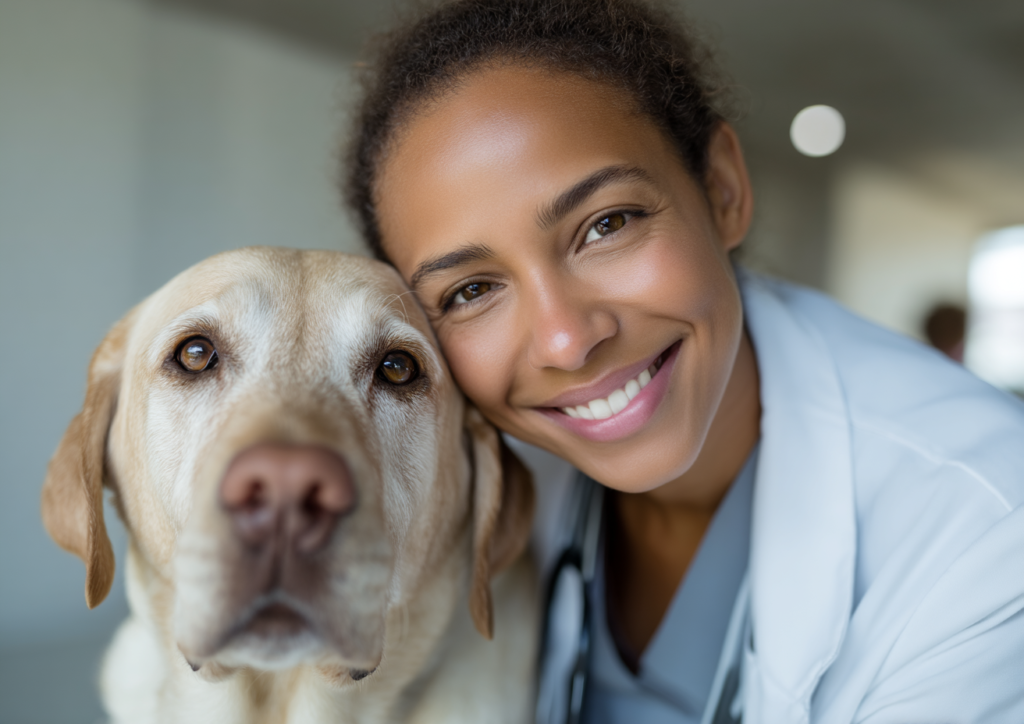
In the evolving world of veterinary health, enhancing practices for better care is crucial. Veterinary clinics, particularly those focusing on general practice, urgent care, and emergency services, face ongoing challenges. They must constantly adapt to ensure optimal patient care and operational efficiency. This blog explores innovative approaches in veterinary health that can transform animal care and improve outcomes, catering to the varied needs of veterinary professionals.
Understanding Veterinary Health Challenges
Veterinary clinics today encounter numerous obstacles. One significant challenge is improving animal health outcomes while maintaining operational efficiency. Each veterinary role, from the Associate Veterinarian to the Board-Certified Veterinary Internal Medicine Specialist, experiences unique pressures. For instance, General Practice Veterinarians often juggle routine check-ups and emergency cases, while Emergency Veterinarians must act swiftly under high-stress conditions. Thus, tailored strategies that align with specific roles become essential in addressing these complex issues.
Adopting Innovative Veterinary Health Practices
Implementing innovative practices can greatly enhance veterinary health. Telemedicine, for example, allows for remote consultations, increasing access to care without overwhelming clinic staff. This especially benefits clinics operating in rural areas where specialty care is limited. Additionally, integrating Electronic Health Records (EHR) helps streamline patient management and improves data sharing between different veterinary roles.
- Enhancing clinical workflows with technology.
- Utilizing telehealth for follow-ups and consultations.
- Implementing robust patient management systems.
- Incorporating data analytics for better decision-making.
- Training staff continuously on new technologies.
Addressing Workforce Realities in Veterinary Clinics
The veterinary workforce faces several pressing realities. A significant shortage of qualified veterinary professionals affects the ability to deliver timely care. This shortage is particularly acute in specialized fields like Critical Care and Internal Medicine. Consequently, clinics must explore new avenues for recruiting talent. Partnering with staffing agencies can facilitate access to hard-to-find veterinary roles, ensuring that clinics remain operationally efficient and capable of offering high-quality care.
Current Trends Shaping the Future of Veterinary Practices
Staying ahead of industry trends is vital for veterinary clinics. An increase in pet ownership globally prompts a higher demand for veterinary services. Furthermore, advancements in veterinary medicine, such as minimally invasive surgical techniques and advancements in diagnostics, improve animal health outcomes. Veterinarians must remain informed about these developments to integrate new methods into their practices effectively. Continuous education and adapting to these changes will be key for successful clinics.
Conclusion
In summary, enhancing veterinary practices for better care involves addressing core challenges and embracing innovative solutions. By leveraging technology, adapting to workforce realities, and staying updated on industry trends, veterinary professionals can significantly improve animal health outcomes. Pulivarthi Group stands as a valuable partner in this journey, helping veterinary clinics connect with skilled professionals across various roles, such as Associate and Emergency Veterinarians, Internal Medicine Specialists, and more. Together, we can cultivate a brighter future for veterinary health and animal care.