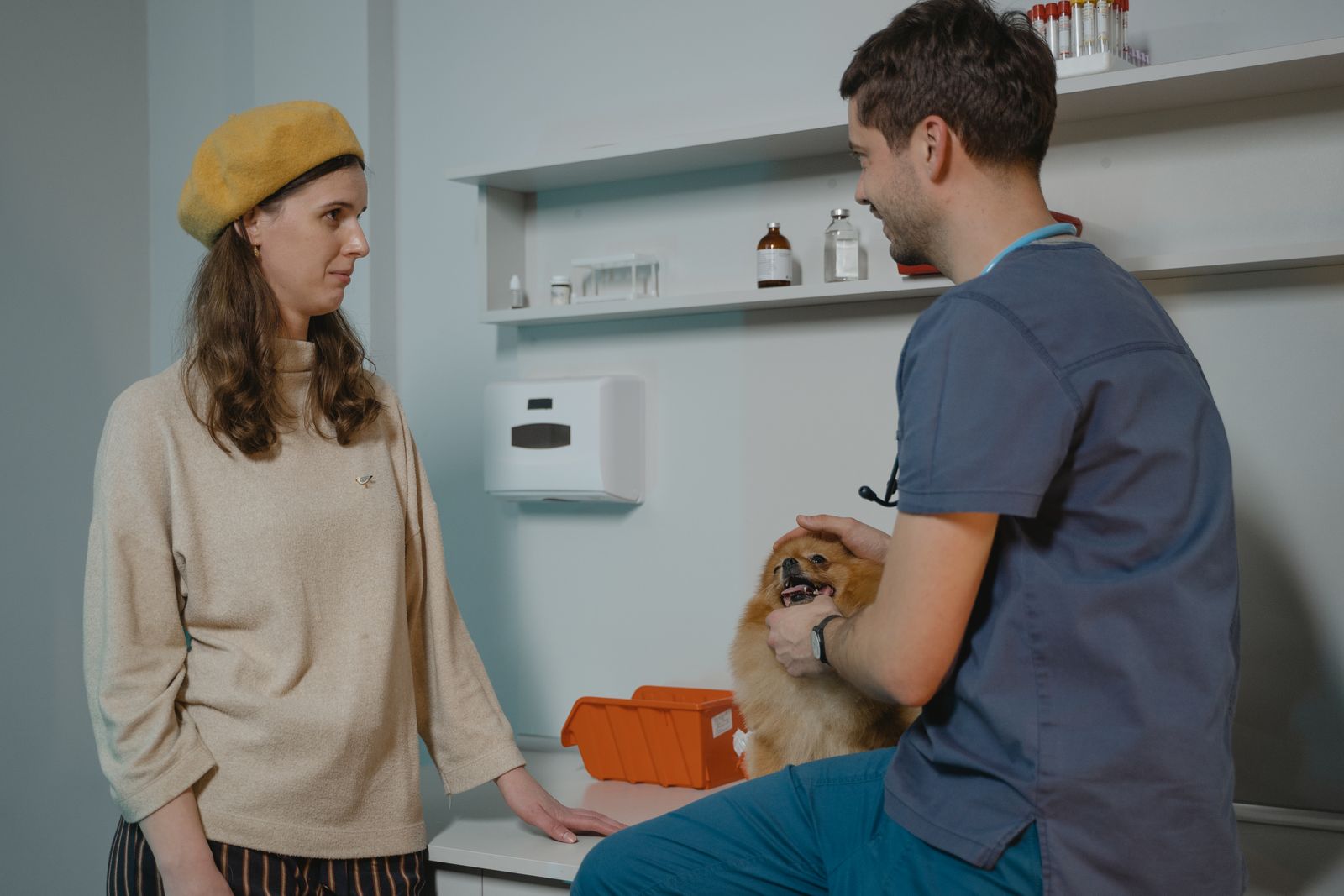
If you want to improve veterinary clinic efficiency, start with five proven levers. Audit your workflows. Tighten communication. Use the right technology. Develop your veterinary professionals. Track the metrics that actually indicate performance. Veterinary clinics face real day-to-day pressure. Packed schedules, staff turnover, and rising client expectations can quietly erode patient care and profitability. Below are seven practical strategies for veterinary clinic workflow optimization. We also cover the benchmarks worth tracking and the staffing considerations most efficiency guides skip.
1. Audit Your Workflows to Find the Real Bottlenecks
Start with a workflow audit before adding new tools or staff. Walk through a typical day and map where time actually goes: check-in, exam-room turnover, callbacks, billing, and discharge. General practice veterinarians often lose time to scheduling conflicts and slow exam-room turnover. Emergency and critical care teams face a different problem: unpredictable, high-pressure caseloads that require fast triage.
- General practice veterinarians benefit most from tiered appointment scheduling — shorter slots for rechecks, longer slots for new problems.
- Emergency veterinarians need clear triage protocols so cases are prioritized by urgency, not arrival order.
- Critical care veterinarians rely on consistent monitoring technology so nothing is missed during shift changes.
A structured audit usually surfaces a handful of high-impact fixes: clarifying who does what, adjusting delegation, and tweaking the schedule. It rarely requires an expensive overhaul. These fixes alone are often enough to improve veterinary clinic efficiency without new hires or new software.
2. Strengthen Communication Systems Across the Team
Miscommunication is one of the most common, and most preventable, sources of inefficiency in a veterinary clinic. Missed appointments, delayed treatments, and duplicated work usually trace back to unclear handoffs between the front desk, technicians, and veterinarians. A few concrete changes fix most of this. Start with a short daily huddle, just 10 to 15 minutes, to flag priority cases. Add a standardized handoff note for patients moving between shifts. Use one shared system of record for scheduling and case notes instead of sticky notes or side conversations. This matters most for urgent care teams juggling multiple patients at once. A missed handoff can directly affect patient safety.
3. Use Technology and Automation Where It Actually Saves Time
Technology only improves efficiency when it targets the right bottleneck. Practice management software can automate appointment reminders, track patient history, and flag low inventory before it becomes a problem. Beyond the basics, clinics are increasingly using:
- Automated intake and check-in forms to cut down on manual data entry
- AI-assisted scribing or documentation tools to reduce after-hours charting time
- Telemedicine for select follow-ups and triage calls, which can ease patient load during peak hours
The goal isn’t to adopt every new tool on the market. Instead, identify the two or three tasks eating the most staff time, and automate those first.
4. Develop Your Team and Delegate More to Credentialed Staff
Team development is one of the highest-leverage efficiency investments a clinic can make. Regular, role-specific training, not just annual continuing education, helps associate veterinarians, technicians, and support staff work more independently and confidently. Delegation matters just as much as training. Many clinics still underuse credentialed veterinary technicians for tasks they are licensed to handle. That includes routine rechecks and certain monitoring duties. This keeps veterinarians tied up in lower-complexity work instead of the cases that need them most. Practices that operate efficiently can see nearly twice as many patients per full-time veterinarian each day compared with lower-efficiency practices. That is according to a 2023 study published in the Journal of the American Veterinary Medical Association, the peer-reviewed journal of the American Veterinary Medical Association. Better utilization of non-veterinary staff is consistently cited as one of the biggest drivers of that gap.
5. Track the Metrics That Improve Veterinary Clinic Efficiency
You can’t improve what you don’t measure. Rather than relying on gut feel, track a small set of benchmarks every month:
- Patients seen per FTE veterinarian per day
- Technician utilization rate (share of technician-eligible tasks actually delegated)
- Average appointment wait time and exam-room turnover time
- No-show and late-cancellation rate
Even a simple monthly spreadsheet review is enough to show what is working. A new scheduling template, a new hire, or a new tool should show up in these numbers within a month or two. If it doesn’t, it is adding activity, not real capacity. Tracking these numbers consistently is one of the most reliable ways to improve veterinary clinic efficiency over time.
6. Keep Pace With Industry Trends That Affect Daily Operations
Veterinary industry trends don’t just affect marketing. They change how clinics staff and schedule day to day. Telehealth triage for non-urgent concerns is one example. Community and shelter medicine partnerships are another. So are spectrum-of-care models, which offer multiple treatment tiers based on a client’s budget and goals. Together, these trends are reshaping how clinics allocate veterinarian time. Review these trends annually, and be honest about which ones fit your patient population. That kind of review helps you adjust staffing and scheduling before a shortage forces the change on you.
7. Prioritize Client Engagement Without Adding to Staff Workload
Client engagement affects efficiency more than most clinics realize. Confused or frustrated clients generate more phone calls, more rescheduling, and more staff time. Automated appointment confirmations and after-visit summaries reduce repeat calls. A brief follow-up message after significant visits, like surgery or a new diagnosis, catches problems early. That is better than letting a small issue turn into an urgent same-day call. Mixed animal veterinarians often work across very different client types and settings. They benefit especially from consistent, templated communication that still feels personal.
Frequently Asked Questions
What is the fastest way to improve veterinary clinic efficiency?
Start with a workflow audit rather than new hires or software. Most clinics get faster results from clarifying roles and delegating more to credentialed technicians. Small scheduling adjustments often help more than a major overhaul.
How do you measure efficiency in a veterinary clinic?
Track patients seen per FTE veterinarian, technician utilization rate, average wait and exam-room turnover time, and no-show or late-cancellation rate. Reviewing these monthly shows whether your changes are actually working.
Does hiring more staff always improve clinic efficiency?
Not on its own. Adding staff without fixing the underlying workflow or delegation problems often adds cost without adding real capacity. Many clinics see bigger gains from better utilizing the team they already have. From there, hiring strategically can fill genuine coverage or capability gaps.
What technology helps veterinary clinics run more efficiently?
Practice management software with automated reminders and automated intake forms consistently saves the most staff time. AI-assisted documentation tools help too. Telemedicine helps with triage and select follow-ups. It works best layered on top of solid in-clinic workflows, not as a replacement for them.
Efficiency Starts With the Right Team
Every strategy above, workflow audits, communication systems, technology, benchmarks, depends on having enough of the right people to execute it. A clinic can redesign every process perfectly and still stay inefficient if it is short a veterinarian, technician, or specialist. That is where Pulivarthi Group comes in. As your partner in veterinary staffing, we help clinics access hard-to-find talent quickly. That includes associate veterinarians, emergency veterinarians, and board-certified specialists like a DACVIM. If staffing gaps are the bottleneck between your clinic and real efficiency gains, we can help. Talk to our team about your current openings.