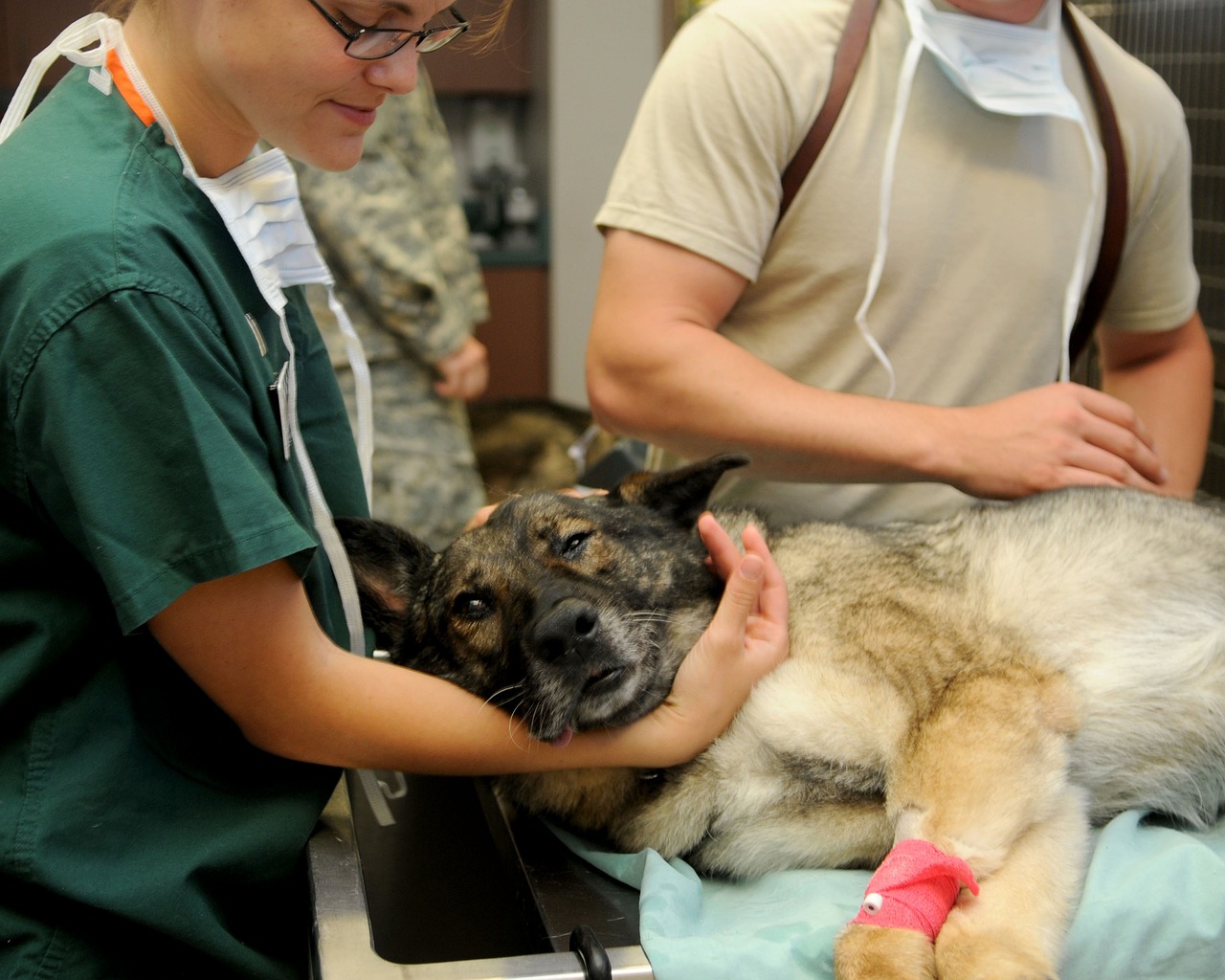
In the rapidly evolving veterinary industry, veterinary education and technician support are critical for ensuring successful patient care and operational efficiency. The workforce shortage presents significant challenges for veterinary clinics, making the enhancement of education and support systems more vital than ever. Addressing this gap not only benefits individual practitioners but also elevates the standard of care across the veterinary profession. Implementing a mentoring program for veterinary technicians can play a pivotal role in bridging this gap, providing essential guidance and support to new professionals. By fostering a culture of mentorship, clinics can enhance skill development and job satisfaction, ultimately leading to better patient outcomes. Such programs can also attract prospective technicians, alleviating the workforce shortage while promoting a collaborative environment within the clinic.
Current Challenges in Veterinary Workforce Development
The veterinary industry faces a challenge as it grapples with an increasing demand for services and a dwindling supply of qualified professionals. This situation is particularly dire for roles such as Associate Veterinarians, Emergency Veterinarians, and Specialists. A shrinking workforce can lead to increased strain on existing staff, ultimately affecting patient outcomes.
For example, General Practice Veterinarians often find themselves overwhelmed during peak seasons. In urgent and emergency care settings, a lack of available staff increases wait times, which can compromise the quality of care. Therefore, reinforcing veterinary education and continuing education programs becomes essential for attracting new talent and retaining existing staff.
Innovations in Veterinary Education
Innovative educational paths are being developed to make veterinary education more accessible. Online learning platforms offer flexibility for veterinary students and technicians, allowing them to balance education with practical experience in clinics. Schools are also enhancing hands-on training to better prepare students for real-world challenges.
Moreover, collaborations between veterinary schools and clinics provide opportunities for practical internships. These initiatives are crucial for food animal veterinarians and mixed animal veterinarians who require diverse experiences. Such partnerships foster a strong sense of community and support among the future workforce.
Supporting Veterinary Technicians
Veterinary technicians play an indispensable role in clinic operations, particularly in emergency veterinary medicine and critical care. Strengthening their skills through targeted training programs can minimize the pressure on veterinarians and improve overall clinic workflow. For instance, board-certified veterinary internal medicine specialists (DACVIM) can contribute to specialized training that enhances technician capabilities.
Furthermore, many clinics are now realizing the importance of mentorship programs for technicians. These initiatives not only help in skill development but also build a supportive work culture, which is essential in high-stress environments such as urgent care clinics.
The Role of Continuing Education
Continuing education plays a pivotal role in professional development for all veterinary roles. Workshops, webinars, and certification programs enable veterinarians to stay updated on best practices and emerging trends. They provide networking opportunities that are vital in a time of workforce shortages. For instance, shelter veterinarians can learn new approaches to community medicine, benefiting both animal health and community engagement.
Additionally, resource-rich organizations are launching initiatives aimed at improving educational accessibility. By participating in these programs, veterinary groups can enhance staff knowledge, which translates into better patient care and operational efficiency.
Conclusion
In summary, enhancing veterinary education and supporting technicians are imperative for addressing current challenges in the veterinary workforce. By leveraging innovative educational resources, promoting technician development, and utilizing continuing education, veterinary clinics can effectively adapt to industry demands. As your partner in this endeavor, Pulivarthi Group stands ready to help clinics access the hard-to-find talent needed across various roles—from Associate Veterinarians to board-certified specialists (DACVIM). Together, we can navigate the complexities of today’s veterinary landscape, ensuring better care for patients and a more robust workforce.