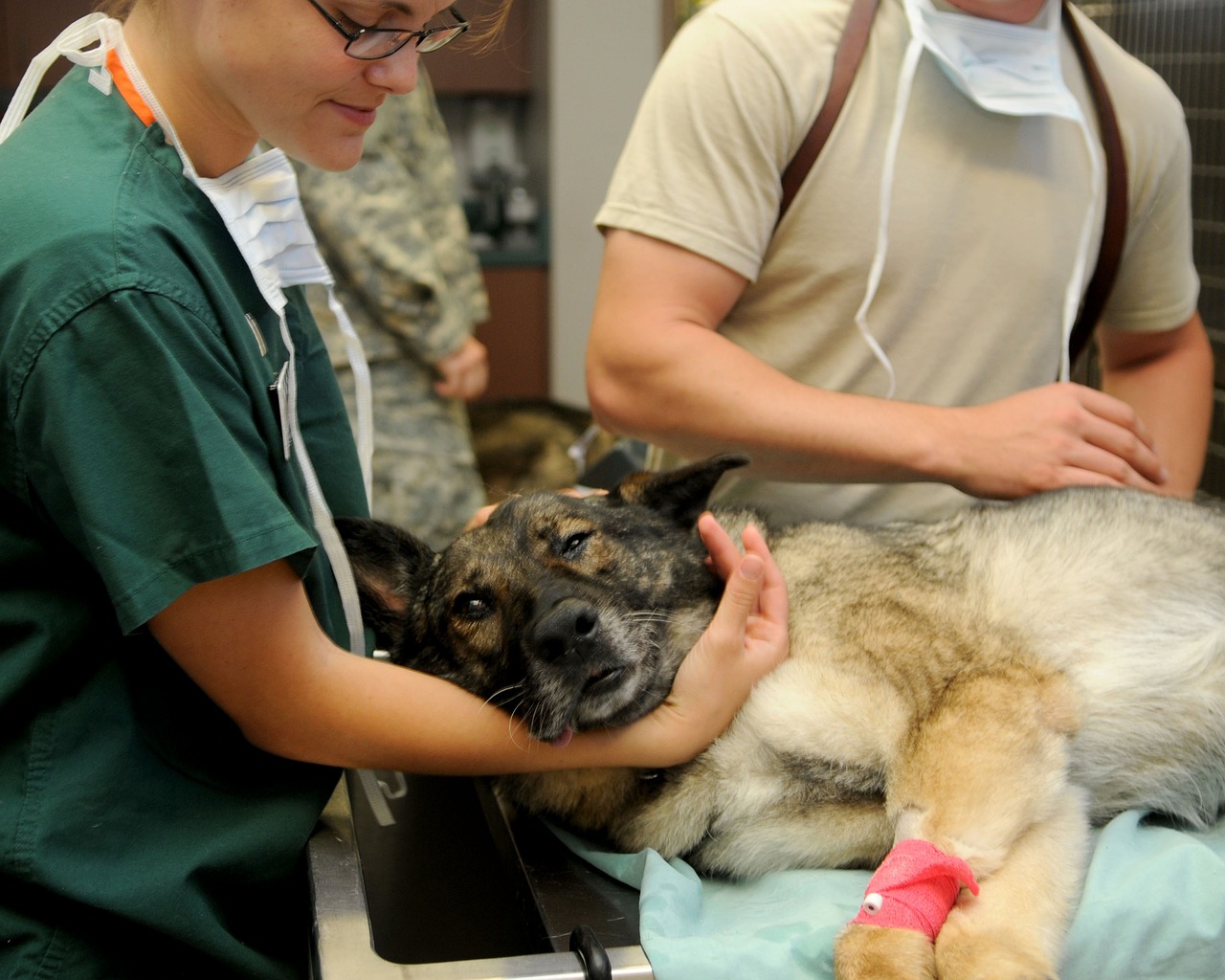
In the dynamic realm of veterinary healthcare, advancements continue to reshape pet services and patient care. These innovations present both opportunities and challenges for veterinary clinics navigating increasing demand for pet health services. By understanding the latest trends and their implications, veterinary professionals can enhance their operations and ultimately improve patient outcomes.
Current Trends in Veterinary Healthcare Innovations
Veterinary healthcare is witnessing a surge in technological innovations. Practices are increasingly adopting telemedicine, digital recordkeeping, and AI-powered diagnostic tools. This transition enhances access to care for pet owners who may face challenges related to transportation or availability. For instance, an urgent care veterinarian can provide immediate support through virtual consultations, ensuring timely interventions for pet health.
Addressing Access to Veterinary Care
The growing demand for pet services often strains traditional veterinary clinics. This is particularly true for urban areas, where the need for veterinary care outpaces the available resources. Mixed animal veterinarians and shelter veterinarians can play a pivotal role in bridging this gap. By collaborating within community-based programs, they can promote affordable services and increase outreach.
- Implement mobile clinics to reach underserved populations.
- Establish partnerships with local shelters to provide routine care.
- Utilize social media to educate pet owners on preventive care.
Implications for Veterinary Clinical Teams
Technological advancements also demand adaptations from veterinary teams. General practice veterinarians must become adept at using digital tools. Critical care veterinarians, on the other hand, need to hone their skills in interpreting advanced imaging techniques that new technologies provide. Continuous training is essential to ensure that staff remain proficient, thereby facilitating optimal patient care.
Challenges Across Various Veterinary Roles
Veterinary professionals encounter different challenges based on their specialty. Emergency veterinarians often deal with high-pressure situations that require swift decision-making. In contrast, community medicine veterinarians focus on preventative care and education, addressing issues before they escalate. Integrating operational efficiencies, therefore, varies between roles, necessitating tailored approaches to each practice type.
Enhancing Patient Care through Innovations
Investing in technology not only simplifies administrative tasks but also improves patient interactions. For instance, utilizing client communication platforms can streamline appointment reminders and follow-ups. This ensures that pet owners remain engaged in their pet’s health journey, ultimately enhancing compliance with treatment plans. Veterinary internal medicine specialists benefit greatly from electronic health records, allowing for seamless access to patient histories.
Conclusion
In conclusion, veterinary healthcare advancements present both opportunities and challenges for clinics striving to meet the growing demand for pet services. By embracing innovations, veterinary practices can enhance their operational efficiency while improving patient care. Pulivarthi Group stands as a vital partner in this journey, assisting veterinary clinics in accessing specialized talent across various roles, including Associate Veterinarian, General Practice Veterinarian, Emergency Veterinarian, and more. By connecting with Pulivarthi Group, clinics can better navigate the workforce realities of today’s veterinary landscape.