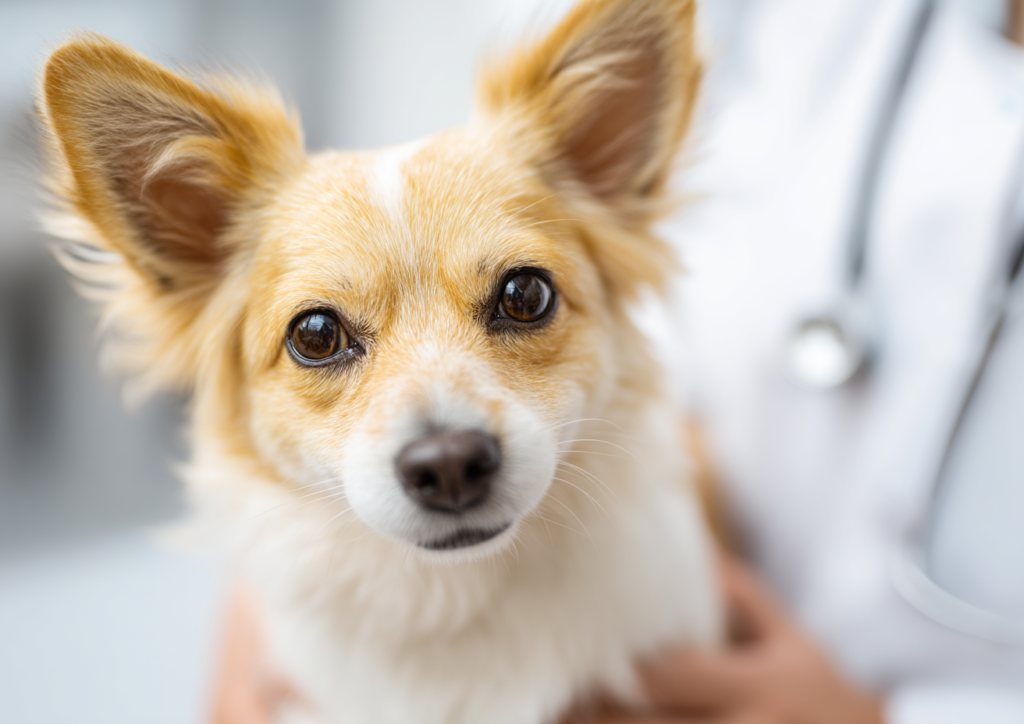
Animal health plays a crucial role in public welfare, and initiatives led by veterinary professionals are instrumental in ensuring optimal care standards. In New Hampshire, the insights from N.H. Assistant State Veterinarian Nathan Harvey highlight several initiatives that focus on improving vaccination rates and disease prevention. These initiatives not only enhance the health of our animal populations but also protect the well-being of the communities we serve.
Key Animal Health Initiatives
Veterinarians across various practices, including general practice and urgent care, face ongoing challenges in promoting animal health. Disease prevention remains a top priority. This is particularly vital in regions like New Hampshire, where geographic and economic factors can influence vaccination rates. The initiatives discussed by Harvey emphasize education and outreach, ensuring pet owners understand the importance of vaccinations and regular health checks.
- Vaccination Programs: Targeting high-risk populations through community outreach.
- Collaboration with Shelters: Ensuring shelter animals receive timely vaccinations before adoption.
- Public Awareness Campaigns: Raising awareness about Zoonotic diseases that can affect both animals and humans.
For instance, urgent care veterinarians need to equip themselves with knowledge about prevalent diseases in the area to effectively treat patients presenting symptoms. Additionally, the involvement of Food Animal Veterinarians in monitoring farm animal health adds an extra layer of community safety, providing comprehensive care within both companion and food animal sectors.
The Role of Veterinarians in Public Health
The expectations from veterinarians extend beyond clinics. They are viewed as vital stakeholders in public health. Their role in implementing animal health initiatives is pivotal in mitigating disease outbreaks. The interconnection between animal health and human health, especially concerning diseases transmitted from animals, should not be underestimated. This reality necessitates collaboration among Associate Veterinarians, Emergency Veterinarians, and veterinary specialists.
When veterinarians understand and communicate the implications of their care practices, it can significantly influence public perceptions concerning animal welfare and community health. In their routine consultations, General Practice Veterinarians should advocate for preventive care while considering the unique challenges faced by their clients.
Addressing Veterinary Workforce Realities
As we discuss animal health, it is essential to address the workforce challenges that veterinary clinics encounter. The demand for veterinarians continues to rise, impacting service delivery. The growing need for specialized roles, such as Board-Certified Veterinary Internal Medicine Specialists (DACVIM), highlights the importance of recruitment and retention strategies.
Veterinary clinic managers and owners must create an environment that attracts talent. This includes offering competitive salaries, investing in continuing education, and fostering a supportive workplace culture. Furthermore, mixed animal veterinarians must balance their skills across various species, making their expertise increasingly valuable.
Enhancing Clinical Practices and Patient Care
To elevate patient care, veterinary practices should adopt technology that enhances operations and treatment outcomes. Electronic Health Records (EHR) systems can simplify patient management and streamline information sharing among clinical staff. Moreover, incorporating telemedicine provides an additional layer of accessibility for clients, particularly in rural areas.
Establishing best practices in clinical workflows facilitates not just operational efficiency but also improves the overall patient experience. For example, implementing standardized vaccination protocols can reduce errors and enhance compliance rates among pet owners. This becomes particularly essential for veterinarians working in shelters, who must ensure ease of access while maintaining high standards of care.
Conclusion
Improving animal health is a collective responsibility that involves veterinarians, clinic staff, and community stakeholders. By following the initiatives recommended by professionals like N.H. Assistant State Veterinarian Nathan Harvey, veterinary clinics can enhance their impact on public welfare. As a partner in this mission, the Pulivarthi Group provides veterinary clinics with access to the skilled talent needed, whether it’s for Associate Veterinarians, Emergency Veterinarians, or specialists in internal medicine. Together, we can continue advancing animal health initiatives, ensuring a healthier future for animals and the communities they enrich.