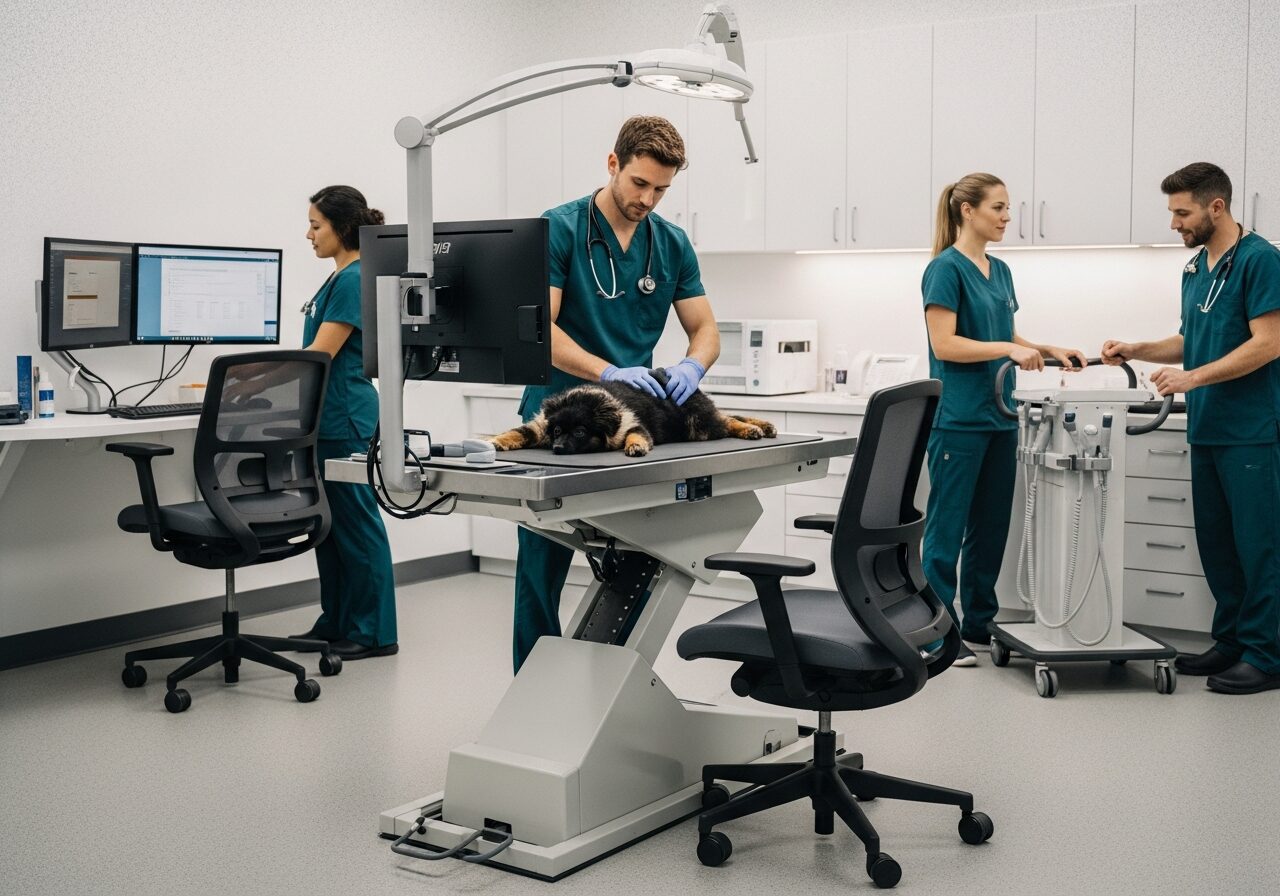
Canine lameness is a prevalent concern in veterinary clinics across North America. It can arise from various conditions affecting the forelimbs, leading to pain and mobility issues for our canine patients. Addressing this issue requires a multifaceted approach, especially from veterinarians and clinical staff who face the challenge of identifying effective treatment options for forelimb lameness in dogs.
Understanding the Causes of Canine Forelimb Lameness
Forelimb lameness can result from numerous underlying issues, including orthopedic injuries, arthritis, tendonitis, and neurological conditions. For associate veterinarians and those in general practice, accurately diagnosing the cause of lameness is critical. Methods such as physical examinations, radiography, and advanced imaging techniques help determine the best course of action.
- Orthopedic Injuries: Fractures or sprains often require immediate care.
- Arthritis: Chronic conditions necessitate long-term management strategies.
- Tendonitis: Requires targeted therapies and sometimes surgery.
Innovative Treatment Strategies
Veterinary clinics must stay abreast of the latest treatment options for canine lameness. These strategies can include both traditional and emerging therapies. Effective treatment could involve:
- Rest and Rehabilitation: Allowing adequate recovery time is essential.
- Physical Therapy: Rehabilitation exercises help strengthen injured limbs.
- Medication: Non-steroidal anti-inflammatory drugs (NSAIDs) manage pain and inflammation.
- Alternative Therapies: Acupuncture and laser therapy are gaining traction for enhancing recovery.
Moreover, urgent care and emergency veterinarians play a pivotal role in immediate intervention. For critical care veterinarians, managing severe cases of lameness often requires a coordinated approach that encompasses pain management and specialized treatment plans.
Industry Trends in Lameness Treatment
The veterinary industry is witnessing a shift towards personalized medicine. Clinics are increasingly adopting diagnostic tools that enable precision in treatment strategies. This trend is particularly relevant to specialties like veterinary internal medicine and those focusing on long-term patient care. For example, when might a board-certified veterinary internal medicine specialist be consulted? Conditions requiring advanced diagnostics or specialized treatment protocols should prompt such referrals.
Furthermore, telemedicine is revolutionizing how veterinarians interact with patients and pet owners, improving access to care and follow-up consultations. Such trends bolster informed decision-making, particularly in cases involving overlapping clinical conditions.
Creating a Client-Focused Approach
Engaging pet owners in their pets’ treatment strategies is vital. Educating them about options for canine forelimb lameness enhances compliance and overall satisfaction. Practice owners and managers must cultivate a strong client relationship by providing informational resources and encouraging open dialogue about treatment goals.
For community medicine veterinarians, addressing lameness in shelter animals requires unique considerations. Ensuring these animals receive appropriate care not only improves their quality of life but also enhances adoption potential.
Conclusion
In summary, effectively treating canine forelimb lameness requires an integrated approach that combines accurate diagnosis with tailored treatment strategies. As veterinary clinics adapt to evolving best practices and industry trends, they must also focus on educating their staff and clients. In this complex landscape, the Pulivarthi Group stands ready to assist veterinary clinics in accessing sought-after talent. From associate veterinarians to board-certified specialists, our services ensure your clinic can provide optimal care for canine patients experiencing lameness and other orthopedic issues.