Hind limb paralysis in dogs presents significant challenges for veterinary clinics and pet owners alike. Effective dog rehabilitation methods are crucial in transforming the life of dogs suffering from this condition. Recent advancements in veterinary medicine have led to innovative approaches in rehabilitating dogs that experience paralysis. This blog post provides insights into a recent case study, demonstrating effective rehabilitation techniques and their implications for veterinary practices.
Understanding Hind Limb Paralysis in Dogs
Hind limb paralysis can stem from various underlying issues, including congenital disabilities, trauma, or degenerative diseases. The urgency of treatment in these situations varies, affecting the strategies employed by emergency veterinarians versus general practice veterinarians. While urgent care veterinarians often handle immediate crises, rehabilitation offers a path to recovery that benefits from a multidisciplinary approach.
To effectively address hind limb paralysis, veterinarians must first evaluate the cause. Diagnostic imaging, such as X-rays or MRI, helps in determining the appropriate treatment plan. Once the diagnosis is set, the focus shifts toward dog rehabilitation. Integrating techniques such as physical therapy, hydrotherapy, and acupressure can significantly contribute to the recovery journey.
The Rehabilitation Journey: A Case Study
In a recent case, a three-year-old Labrador Retriever named Max presented with hind limb paralysis following a traumatic incident. Emergency veterinarians stabilized his condition, but the true challenge began with rehabilitation. The veterinary team implemented a tailored rehabilitation plan. This plan included:
- Gradual introduction to physical therapy exercises.
- Hydrotherapy sessions to minimize joint stress.
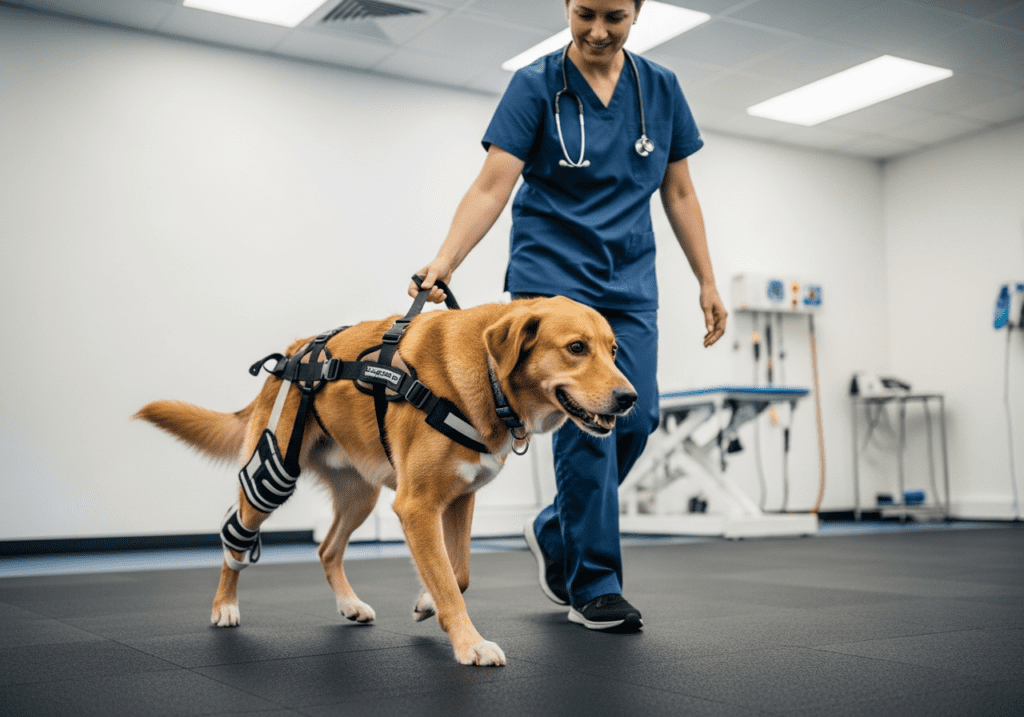
- Utilization of mobility aids, such as slings and carts.
- Regular assessment and modifications based on progress.
Throughout this journey, Max’s case highlighted the importance of communication among the veterinary staff, including general practice and critical care teams. Collaborative efforts ensured he received comprehensive care, addressing both his physical and emotional needs. Over several months, Max regained mobility and strength, showcasing the vital role of dedicated dog rehabilitation.
Implications for Veterinary Clinics
For veterinary clinics, understanding the complexities surrounding hind limb paralysis in dogs can enhance operational efficiency. Training staff in rehabilitation techniques is essential. Additionally, creating a network with specialists, such as board-certified veterinary internal medicine specialists, can provide further insights into advanced cases. This collaboration can improve patient outcomes and increase the clinic’s reputation as a cutting-edge facility.
Clinics should consider implementing structured rehabilitation programs as part of their offerings. This can not only enhance patient care but also attract new clients seeking comprehensive rehabilitation options for their pets. Investing in training for associate veterinarians and clinical staff can yield positive results in managing cases of paralysis effectively.
Looking Toward the Future
As the veterinary industry evolves, new insights and methodologies continue to emerge in dog rehabilitation. Staying updated with recent case studies and collaborations can empower clinic teams. Leveraging community resources, such as support groups for pet owners, also fosters a sense of trust and collaboration.
Moreover, the integration of technology in rehabilitation, such as wearable devices that monitor recovery progress, is becoming increasingly popular. Veterinary care providers must embrace these innovations to remain competitive. Facilitating partnerships with organizations specializing in veterinary rehabilitation can also bolster a clinic’s service offerings, enhancing both client satisfaction and clinical outcomes.
Conclusion
The journey to recovering from hind limb paralysis in dogs, showcased through Max’s case, emphasizes the importance of a robust rehabilitation plan. For veterinary clinics, inviting new approaches into practice can lead to improved patient care and operational efficiency. As a partner in your journey, Pulivarthi Group can help veterinary clinics access the skilled professionals needed to provide exceptional care across various roles, including Associate Veterinarians, Critical Care Veterinarians, and Veterinary Internal Medicine Specialists. By embracing innovative rehabilitation techniques and staff training, clinics can continue to enhance their service quality and support the rehabilitation journeys of dogs in need.