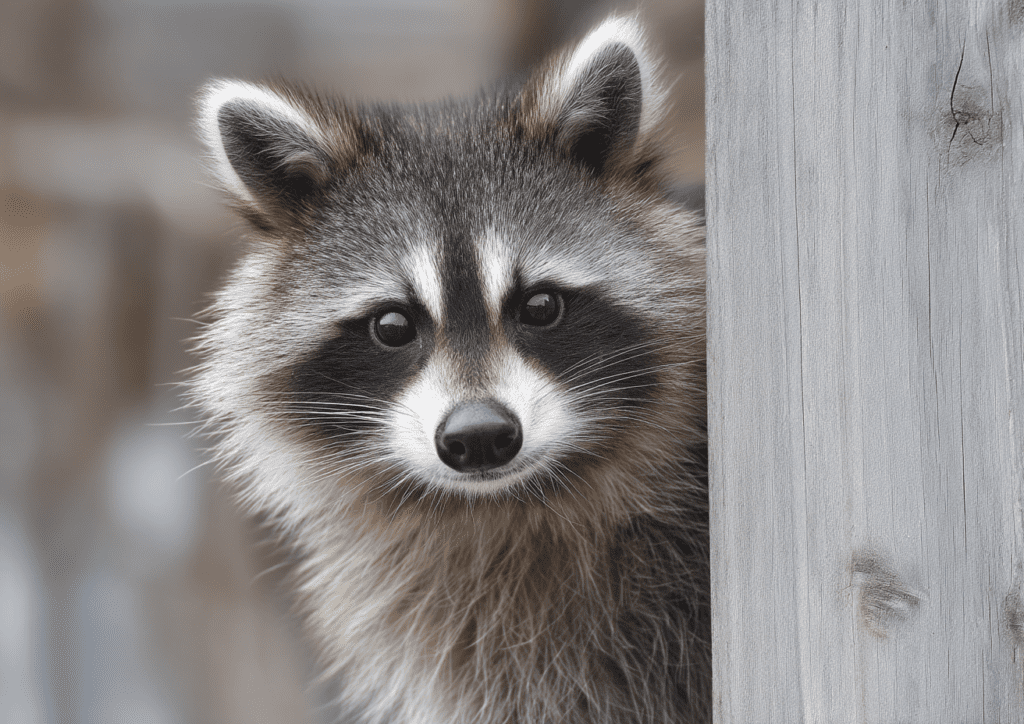
Fayetteville, Arkansas is currently facing a critical health threat: the spread of the distemper virus among local raccoon populations. This situation poses a significant risk to both raccoons and domestic dogs. Awareness of this issue is crucial for veterinary clinics, pet owners, and all involved in animal health care. The implications for veterinary practice, especially regarding patient care and operational efficiency, are profound.
Understanding the Distemper Virus
The distemper virus is a highly contagious and often fatal disease affecting mammals, particularly canines. It spreads through respiratory droplets and can lead to severe neurological and respiratory symptoms in infected animals. Raccoons are known carriers, and outbreaks among these wild animals can lead to inadvertent transmission to dogs.
In veterinary clinics, recognizing the symptoms of distemper, such as coughing, fever, and seizures, is essential. Early diagnosis can significantly impact treatment outcomes. Such knowledge is crucial for staff who might encounter these cases in urgent care or emergency situations.
Current Outbreak in Fayetteville
The ongoing outbreak in Fayetteville underscores the urgent need for vigilance. Local veterinarians should remain informed about this rising threat. It is important to monitor patient cases closely and educate pet owners on the importance of vaccines.
- Schedule regular vaccinations for dogs against distemper.
- Conduct community outreach to inform pet owners of the outbreak.
- Implement comprehensive health check-ups for at-risk dogs.
Community Medicine Veterinarians can play a pivotal role in raising awareness. They can organize vaccination events or educational programs within the community, thus supporting pet health on a larger scale.
The Role of Veterinary Clinics
Veterinary clinics face unique challenges during such outbreaks. General Practice Veterinarians need to ensure that they maintain high vaccination rates among their patients. Ensuring that staff can readily answer questions from concerned pet owners is vital.
Emergency and Urgent Care Veterinarians must be equipped to handle potential cases of distemper. Understanding the emergency protocols for diagnosing and isolating cases can help protect both staff and other patients in the clinic. Implementing proper triage methods is essential.
Implications for Practice Management
For practice owners and managers, this outbreak presents operational challenges. Managing resources effectively is crucial. It may be necessary to increase staff training focused on the signs of distemper and effective communication strategies for pet owners.
Additionally, clinic teams can improve efficiency by adopting technology that tracks vaccination records. This automation helps remind pet owners about upcoming vaccinations, reinforcing the importance of preventative care in safeguarding against the distemper virus.
Conclusion
The current outbreak of the distemper virus in raccoons requires veterinary clinics in Fayetteville to take immediate action to protect dogs. Through careful management of patient care, vaccinations, and community education, clinics can mitigate risks associated with this health threat. At Pulivarthi Group, we understand the importance of having the right talent to navigate these challenges. Our expertise can help your clinic obtain the staff needed, whether you seek Associate Veterinarians, Emergency Veterinarians, or other specialists. Together, we can ensure that veterinary clinics remain resilient in the face of emerging threats.