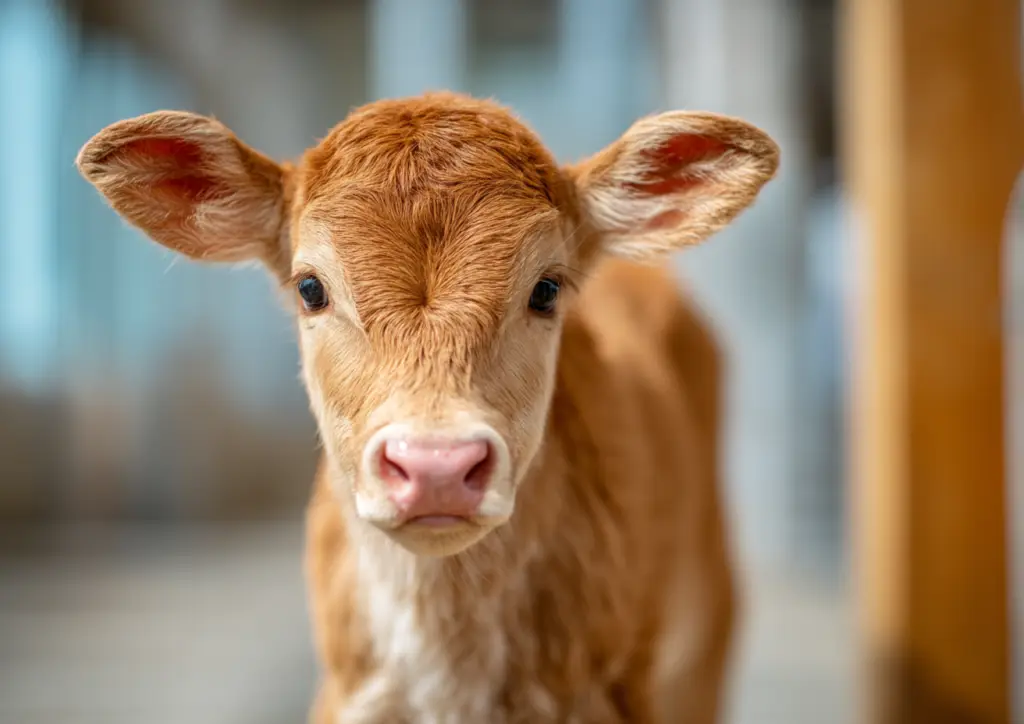
As the veterinary industry evolves, integrating technology becomes essential for enhancing patient care. One striking innovation is the application of machine learning in veterinary practices. Specifically, using machine learning for pain detection in dairy calves post-disbudding presents a revolutionary opportunity for veterinarians, dairy farmers, and their clinical teams. By improving pain management, veterinarians can enhance animal welfare and operational efficiency in dairy farms worldwide.
Understanding the Importance of Pain Detection
Detecting pain in dairy calves is crucial. Research indicates that early pain relief leads to better recovery rates. Unfortunately, traditional subjective assessment methods may not accurately reflect pain levels in these animals. This gap creates challenges for veterinarians and could impact calf welfare and farm productivity.
How Machine Learning Improves Pain Detection
Machine learning algorithms offer a data-driven approach to identify post-operative pain in calves. By analyzing data from ear tag sensors, these systems detect physiological changes that correlate with pain. For example, increased heart rate and abnormal movement patterns could indicate distress. This objective measurement can help veterinarians make informed decisions regarding pain management.
Practical Implementation in Veterinary Clinics
Integrating machine learning into veterinary practice requires a step-by-step approach:
- Understand the Technology: Veterinarians must familiarize themselves with machine learning capabilities and limitations.
- Choose the Right Tools: Selecting appropriate machine learning tools for data collection is crucial, such as wearables that monitor vital signs.
- Train Clinical Staff: Providing training ensures that veterinary technicians and support staff can effectively use the technology.
- Monitor and Assess: Regularly evaluating the effectiveness of pain detection systems leads to continuous improvement.
Challenges Across Veterinary Roles
Each role within the veterinary field faces unique challenges related to pain detection and management:
- General Practice Veterinarians often address pain management during routine care.
- Emergency Veterinarians encounter critical cases where immediate pain detection is vital.
- Mixed Animal Veterinarians must understand pain detection methods relevant to both food and companion animals.
- Shelter Veterinarians face the challenge of limited resources while ensuring adequate pain management.
Future Implications for Veterinary Practices
The integration of machine learning technologies could revolutionize how veterinary clinics approach patient care. As these technologies become more accessible, they will empower veterinarians to provide more nuanced care for dairy calves and other livestock. This trend not only enhances animal welfare but also improves operational efficiencies across veterinary practices.
Conclusion
The integration of machine learning for pain detection in dairy calves offers unprecedented opportunities for improving veterinary practices. Understanding and implementing these technologies can lead to better patient care and enhanced animal welfare. At Pulivarthi Group, we recognize the critical need for skilled professionals in veterinary medicine, including roles such as Associate Veterinarians, Urgent Care Veterinarians, and Veterinary Internal Medicine Specialists. We are committed to helping veterinary clinics access the talent needed to navigate these advancements seamlessly.