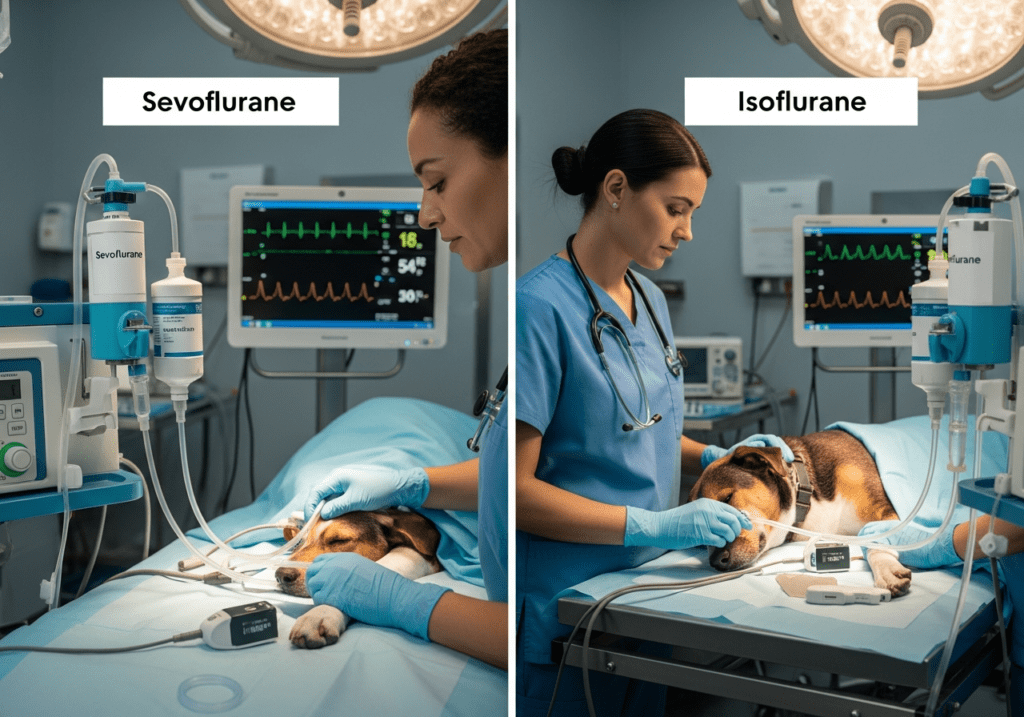
Understanding the profound effects of canine anesthesia on patient health is essential for veterinary professionals. Anesthesia is a critical component of surgical procedures in veterinary clinics. However, it also poses the challenge of monitoring and managing potential physiological impacts. Recent studies have focused on comparing different anesthetic agents, specifically sevoflurane and isoflurane, to evaluate their effects on serum biomarkers like syndecan-1 and hyaluronan in dogs.
Key Findings on Anesthesia Effects
Both sevoflurane and isoflurane are widely used in canine anesthesia, but their physiological implications differ. Research indicates that these anesthetics influence serum biomarker levels, which can be vital for assessing tissue health and inflammation during and after surgery. Syndecan-1 and hyaluronan serve as indicators of endothelial integrity and inflammatory response, respectively. This knowledge can guide clinical decisions in various veterinary roles.
Implications for Veterinary Practices
For general practice veterinarians and those in urgent care settings, understanding these biomarkers can lead to improved patient management. For instance, by monitoring syndecan-1 levels, veterinarians can assess the risk of complications related to anesthesia. Critical care veterinarians can leverage this data to tailor post-operative care, ensuring optimal recovery for patients undergoing surgery.
Practical Tips for Clinicians
- Integrate serum biomarker monitoring into standard anesthesia protocols.
- Educate clinical staff on the implications of biomarkers like syndecan-1 and hyaluronan.
- Develop individualized anesthesia plans based on patient health and surgical needs.
- Stay updated on the latest research surrounding anesthesia effects on dogs.
Understanding Operational Efficiency
Managing anesthesia effectively not only enhances patient outcomes but also streamlines clinic operations. Emergency veterinarians can benefit from implementing standardized anesthesia monitoring protocols across different cases. This approach minimizes variability and optimizes workflow during high-pressure situations. Additionally, mixed animal and food animal veterinarians should be aware of how anesthetic choice impacts both small and large animal surgery.
Emerging Trends in Veterinary Anesthesia
The veterinary field increasingly recognizes the importance of personalized medicine. Understanding the impacts of different anesthesia agents aligns with patient-centered care practices. Innovations in veterinary anesthesiology continue to emerge. It is crucial for shelter veterinarians and community medicine veterinarians to adopt these insights to elevate care standards in underserved populations.
Conclusion
In summary, the comparison of sevoflurane and isoflurane regarding their effects on serum biomarkers offers significant insights into canine anesthesia. With effective monitoring and tailored anesthesia plans, veterinarians can improve surgical outcomes and patient safety. At Pulivarthi Group, we understand the need for specialized talent in the veterinary field. By partnering with us, veterinary clinics gain access to qualified professionals like Associate Veterinarians, Emergency Veterinarians, and Board-Certified Veterinary Internal Medicine Specialists (DACVIM). Together, we can enhance the standard of care in veterinary medicine.