Heartworm disease is a severe threat to pets and public health in the United States. Clinical teams in veterinary clinics face unique challenges in preventing and managing this preventable disease. As community engagement grows increasingly important, understanding strategies for heartworm prevention becomes essential.
Understanding Heartworm Disease
Heartworm disease, caused by the parasite *Dirofilaria immitis*, has serious implications for pet health. This condition primarily affects dogs, but can also be present in cats and ferrets. The transmission occurs through mosquito bites, making seasonal awareness crucial for veterinarians and pet owners alike. In addition, when prevention efforts wane, the risk to our communities increases.
Challenges in Preventive Care
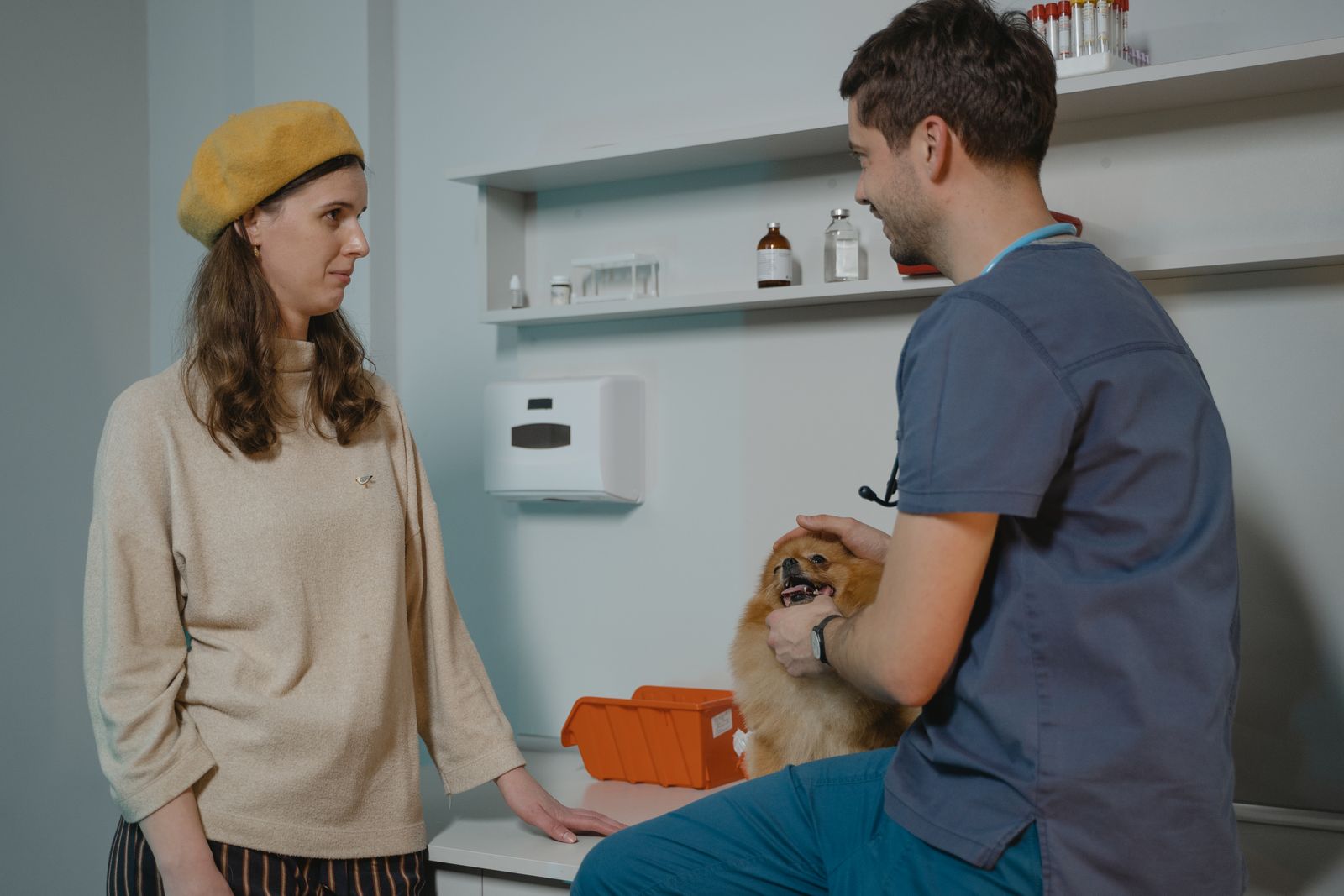
Veterinary clinics often encounter challenges with client compliance regarding heartworm prevention. Many pet owners may underestimate the severity of the disease. Consequently, veterinarians—specifically general practice veterinarians and urgent care veterinarians—must prioritize educational outreach to combat misconceptions and promote regular preventive measures, such as monthly medications.
- Challenges include limited awareness of heartworm transmission.
- Understanding the importance of regular screenings is vital to public health.
- Many pets receive inconsistent preventive care.
Community Engagement Strategies
Developing community-focused strategies allows veterinary clinics to address heartworm disease proactively. Collaboration with local pet stores, shelters, and community organizations can enhance educational efforts. For instance, organizing free heartworm testing days or community seminars can foster awareness among pet owners.
Moreover, veterinarians can leverage social media to disseminate vital information regarding heartworm prevention. Regularly sharing reminders about seasonal risks can significantly boost compliance. Utilizing informative graphics and testimonials can lead to more engaging content that motivates pet owners to prioritize their pets’ health.
Public Health Impacts
Heartworm disease does not only affect pets but also poses risks to public health. For this reason, critical care veterinarians and internal medicine specialists should provide expertise in identifying and managing severe cases. Educating clients about the societal impacts of heartworm-infested pets remains crucial for a healthier community overall.
Actionable Insights for Clinics
Adopting specific actionable insights within veterinary clinics can considerably improve heartworm prevention efforts. Here are several strategies for operational efficiency:
- Implement preventive health plans that include heartworm testing and medication.
- Schedule seasonal reminders for pet owners regarding heartworm season and the importance of prevention.
- Train all staff, including associate veterinarians and clinical staff, on effective client communication about heartworm risks and preventive care.
Concluding Thoughts
Heartworm disease presents ongoing challenges to veterinary clinics, but through active community engagement and education, these hurdles can be addressed. By prioritizing client communication, clinics can promote proactive pet care. As a partner in this mission, the Pulivarthi Group specializes in connecting veterinary clinics with hard-to-find talent. We understand the diverse needs across roles, from general practice veterinarians to board-certified internal medicine specialists. Together, we can improve preventive practices and enhance the overall health outcomes of pets in our communities.